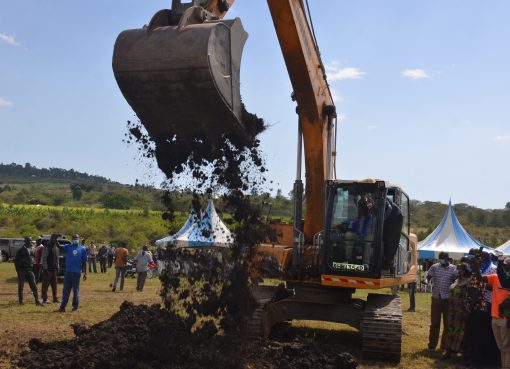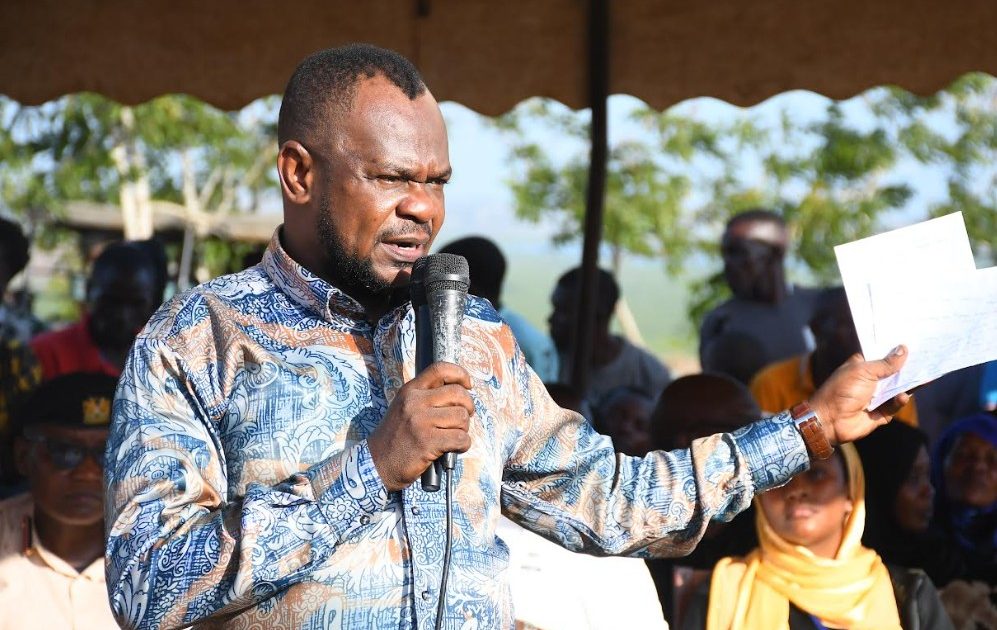
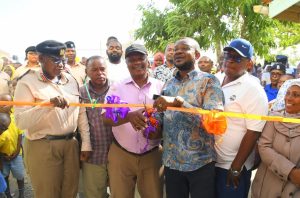
Jomvu Member of Parliament Badi Twalib has outlined an ambitious education reform agenda aimed at improving discipline, school retention and academic outcomes, following the opening of a new Comprehensive School in the Mreroni area of his constituency.
Speaking during the official opening ceremony, Twalib said the newly established facility integrating primary, junior secondary and senior secondary levels was designed to address long-standing challenges associated with school transitions, which he noted had contributed to cases of early teenage pregnancies and poor academic continuity.
The MP said education data and community reports had shown that many social challenges emerged during the period when pupils completed primary school and were forced to seek secondary education in distant institutions.
“We realised that the transition period was exposing our children to unnecessary risks. By integrating all learning levels in one environment, we are ensuring continuity, discipline and close supervision,” Twalib said, describing the Mreroni school as the first comprehensive facility of its kind in the area.
To ensure access for learners from vulnerable households, Twalib announced that all eligible day school students transitioning to senior secondary education would receive full bursary support through the National Government Constituencies Development Fund (NG-CDF). He also revealed plans to issue full bursaries to learners with disabilities.
In a move aimed at reducing bureaucracy, the MP said bursary application forms would be delivered directly to schools by constituency officials, eliminating the need for parents to travel to central collection points. Completed applications will be processed at the school level, with cheques remitted directly to institutions.
“This is a hardship area, and our duty as leaders is to remove every barrier that prevents our children from accessing education,” he said.
Changamwe MP Omar Mwinyi, who attended the event in solidarity with his Jomvu counterpart, commended Twalib for prioritising inclusive development and investing in education even in the furthest parts of the constituency.
Mwinyi said quality learning environments played a critical role in keeping children in school, noting that students were more likely to remain engaged when schools offered safe, modern and well-equipped facilities.
“One of the biggest motivations for learners to stay in school is when the school environment is better than their home environment. This project shows that leadership must reach every corner of the constituency without discrimination,” Mwinyi said.
He further praised Twalib for consistently pushing development initiatives, including schools, roads and sports facilities, and called for stronger collaboration among leaders in neighbouring constituencies to address shared challenges.
Beyond education, Mwinyi reiterated the need for broader economic interventions, including the revival of local industries, enforcement of local content policies in state agencies, and the establishment of technical training institutions to equip local youth with employable skills.
The joint appearance by the two legislators underscored growing cooperation between Jomvu and Changamwe leadership, with both MPs signalling a shared commitment to education-driven development and community empowerment along the Coast.
By Chari Suche