Farmers in Kajiado County have been urged to diversify their crops as a way of improving food security, increasing incomes, and coping with the effects of climate change.
In an advisory developed by a team of scientists and practitioners from the Kenya Meteorological Department (KMD) and National Drought Management Authority, farmers have been advised to plant at least one week before the expected onset of rain to optimise crop growth.
The farmers have also been urged to practise conservation agriculture by implementing practices such as mulching, minimum tillage, and fertility trenches to enhance soil health and water retention.
Since prolonged dry spells are expected between rainfall episodes, farmers are advised to increase water storage capacity by installing efficient rainwater-harvesting systems to support crops during dry spells.
In addition, they are urged to invest in water-saving technologies, such as drip irrigation, to optimise water use for crop production.
They should also be ready to supplement rainfall with irrigation during dry periods to ensure crop survival.
According to Benson Lubanga, the County Director of Meteorological Services, the season will be influenced by tropical cyclones and the Madden–Julian Oscillation, leading to uneven rainfall distribution across the county.
Lubanga noted that the northern and upper western sub-counties are likely to receive near-average to above-average rainfall, while eastern, central-south and lower western parts may experience near-average to below-average precipitation.
For the northern and upper western regions of the county, rains are projected to begin in the second to third week of March, while the eastern, central-south and lower western regions are expected to receive their first rains in the third to fourth week of March.
The season is likely to end in the third to fourth week of May.
Livestock farmers have been advised to undertake strategic destocking to reduce pressure on available pasture and water resources during dry spells.
They are also required to provide supplementary feeding to livestock to ensure proper nutrition when natural pasture is insufficient and to implement controlled breeding programmes to improve livestock genetics and enhance production.
In addition, they are advised to establish and manage pastures and fodder crops to ensure sufficient feed for livestock and to implement practices to harvest and conserve pasture to maintain a steady supply of feed year-round.
Environmentalists have also called for the planting of indigenous trees to restore ecosystems and improve environmental resilience.
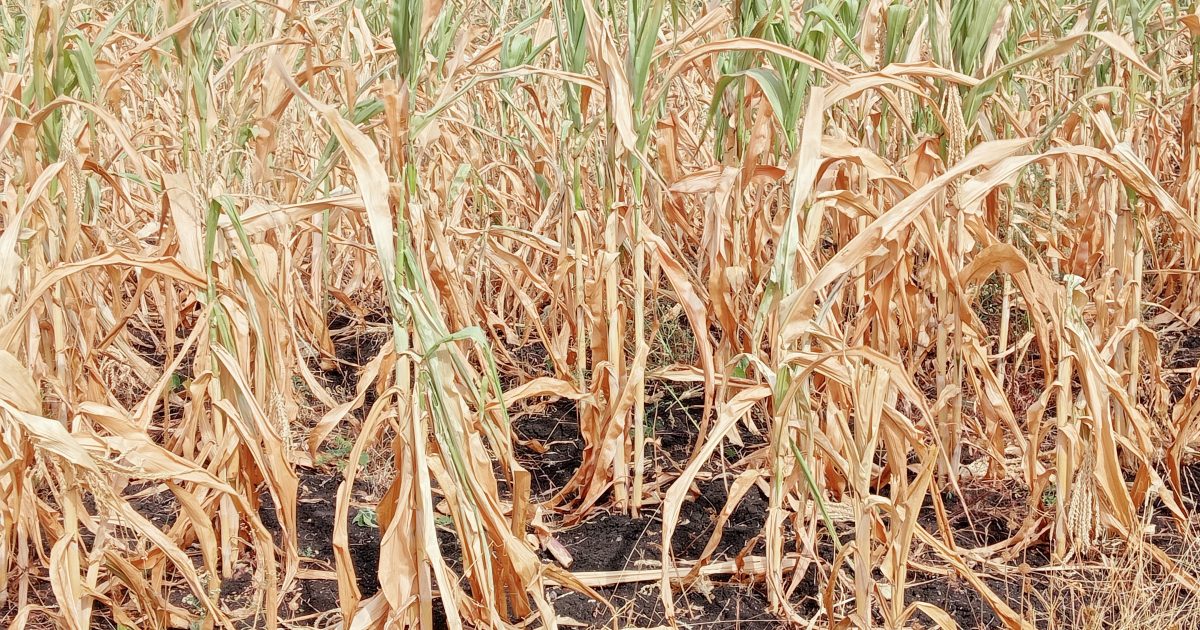
Crop and livestock farmers in the county incurred losses after the 2025 short rains were characterised by late and unclear onset, below-normal rainfall and poor spatial distribution.
As a result, the county experienced poor regeneration of pasture, inadequate recharge of water sources and widespread crop failure.
The consolidated advisory for the March, April, and May (MAM) 2026 long rains was jointly developed by the Kenya Meteorological Department, Kajiado County Government, the National Drought Management Authority (NDMA), and partners including the Kenya Climate Change Working Group, Heifer International, Christian Aid, and ActionAid Kenya.
By Diana Meneto