The government has intensified consultations on the proposed ratification of two key International Labour Organization (ILO) conventions that seek to guarantee decent work for domestic workers and eliminate violence and harassment in the world of work.
State Department for Labour and Skills Development Principal Secretary (PS) Shadrack Mwadime said the ratification of ILO Convention No. 189 on Decent Work for Domestic Workers and Convention No. 190 on Violence and Harassment would mark a major shift in Kenya’s labour governance framework, particularly for workers in the informal sector.
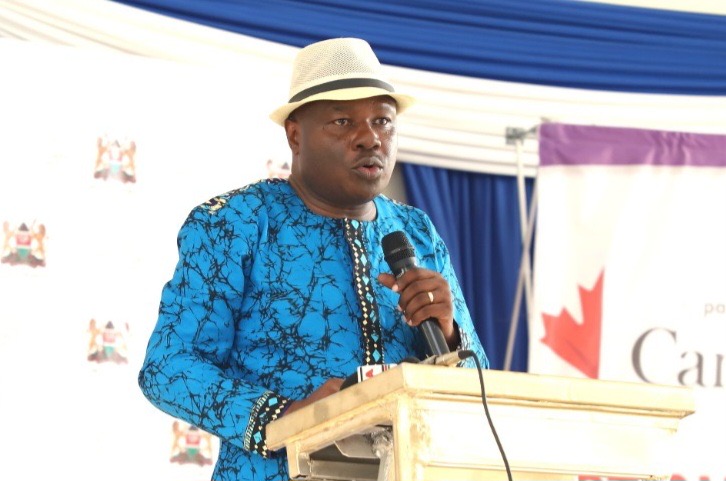
Speaking in Kisumu during a public consultative meeting on the two documents, Mwadime said the nationwide consultations, which began earlier in the week in Kakamega County, bring together workers, employers, trade unions, civil society organisations, community representatives and state institutions to interrogate the scope, obligations and implications of the two conventions.
He said the forums were designed to ensure that any decision taken by the government is informed by lived experiences, sector-specific realities and operational challenges faced by both workers and employers.
“Public participation is enabling the government to identify policy, legal and institutional gaps that must be addressed to ensure effective domestication and enforcement of these conventions once ratified,” the PS said, adding that the process reflects the government’s commitment to inclusive consultation, strengthened social dialogue and evidence-based decision-making.
On Convention 189, the PS said domestic workers remain among the most vulnerable categories of workers globally and locally, despite providing essential services that sustain households and economies.
He noted that domestic work in Kenya is largely informal, characterised by low wages, absence of written contracts, limited access to social security and weak labour inspection, leaving many workers exposed to exploitation.
Ratification of the convention, he said, would require Kenya to recognise domestic work as work, extend fundamental labour rights to domestic workers and ensure equal treatment with other workers.
These include freedom of association, the right to collective bargaining, minimum wage protection, regulated working hours, rest periods, occupational safety and health protections, and access to social security, regardless of whether workers are engaged on a live-in, live-out, full-time or part-time basis.
On Convention 190, the PS said violence and harassment remain pervasive in the world of work, cutting across sectors, occupations and employment arrangements.
He cited studies showing that more than half of women and about 30 percent of men have experienced some form of workplace harassment, with informal workers, women and migrant workers facing heightened risks.
Mwadime said the convention goes beyond criminalisation by requiring states to adopt a comprehensive approach that includes prevention, protection and remedies.
This, he said, would obligate employers to put in place preventive measures, establish accessible reporting and complaints mechanisms, protect victims and witnesses from retaliation, and ensure effective investigations, sanctions and remedies.
He added that the government would also strengthen labour inspection and enforcement systems to meet the convention’s requirements.
Mwadime urged stakeholders to submit practical and candid views on the two conventions, saying the government was keen to build consensus and ensure reforms are implementable.
He said anchoring labour reforms in broad stakeholder engagement would promote safe, dignified and inclusive workplaces while aligning Kenya’s labour governance with international best practice and advancing commitments under the Constitution, Vision 2030 and the Sustainable Development Goals.
Speaking during the same occasion, Labour Commissioner Hellen Apiyo said the two ILO instruments were among the most progressive global labour standards and noted that public participation was a constitutional requirement and a cornerstone of sustainable labour reforms.
She said feedback from the consultations will inform legislative reviews, policy reforms and institutional strengthening needed to align national laws with international labour standards.
The submissions from the Kisumu and Kakamega forums, alongside inputs from other regions, she said, will be consolidated and presented to the Cabinet to guide the next steps, including legislative and policy processes required ahead of ratification.
By Chris Mahandara