Kenya is losing billions of shillings annually to soil degradation, a crisis that threatens the country’s food security and long-term agricultural productivity.
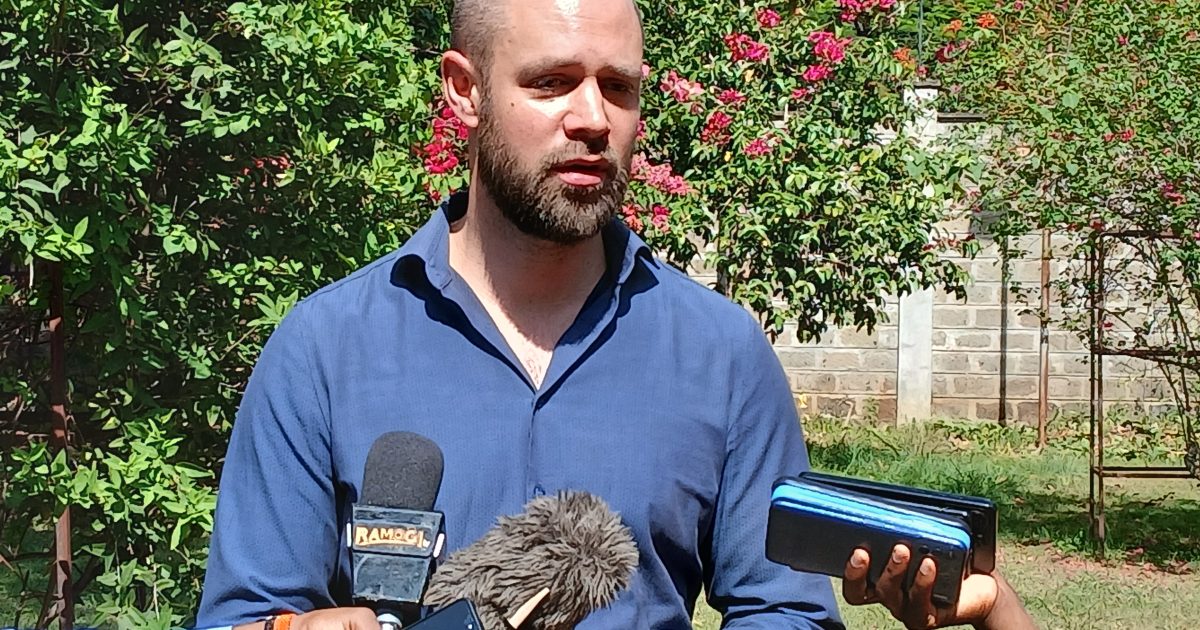
According to the German Agency for International Cooperation (GIZ) Pro-Soil Project Manager David Kersting, most Kenyan soils are exhausted and becoming poorer every year with farmers increasingly unable to meet the nutrient demands of their crops.
Kersting described the situation as urgent, saying the country was already paying a heavy price for the degraded soils.
Kersting said GIZ estimates Kenya may be losing about Sh170 billion annually to declining soil fertility, erosion and poor land management practices.
He stressed that the figure represents an economic projection meant to illustrate the scale of losses tied to reduced productivity, nutrient depletion and the cost of rehabilitating degraded land.
“It is not just an environmental issue, it is an economic one,” he said, calling for renewed national attention to the condition of Kenya’s agricultural soils.
Speaking during a media engagement at the GIZ offices in Kisumu ahead of World Soil Day celebrations, Kersting said the biggest gap remains the weakness of agricultural extension systems that once helped farmers adopt better agronomic practices. He noted that many farmers especially smallholders have been left alone to experiment with fertilizers, seeds and land preparation methods, often without technical guidance.
With climate change intensifying droughts, floods and erratic weather, he said farmers now face a much harder operating environment yet receive far less support than they did a decade or two ago.
He urged counties to reinvest in extension officers, soil testing, and farmer education programmes, saying this would help reverse the nutrient depletion cycle.
He added that counties need stronger budgets, policies and practical guidance to help farmers adopt more sustainable soil management techniques.
He cited examples such as proper fertiliser application, crop rotation, agroforestry, and investing in organic matter to rebuild soil structure.
GIZ’s Pro-Soil programme, which works with several counties, has been supporting training for extension staff and introducing climate-smart practices that help retain soil moisture, improve fertility and reduce erosion.
Kersting said capacity-building is essential because farmers listen to the people who visit their farms and without trained officers on the ground, uptake of improved practices will continue to remain low.
He emphasised that reversing soil degradation was still possible if the right interventions are prioritised.
“The science is clear. We know what needs to be done. What is missing is the scale and consistency of implementation,” he said.
He urged national and county governments to treat soil as a strategic national resource—one that determines future food security, economic stability and the resilience of rural communities.
World Soil Day celebrations, he said, offers Kenya a moment of reflection and an opportunity to recommit to restoring the health of its soils.
“If we lose our soils, we lose our ability to feed ourselves. But if we act now, strengthen extension services, invest in soil health, and empower farmers, we can reverse the trend,” he said.
By Chris Mahandara