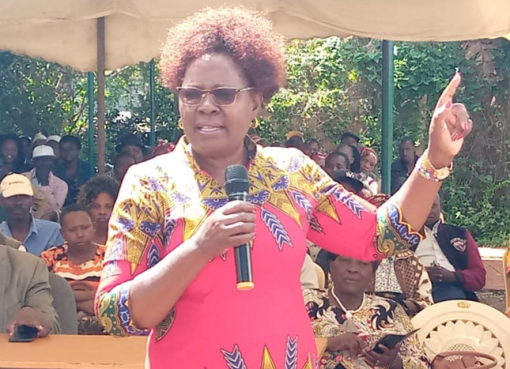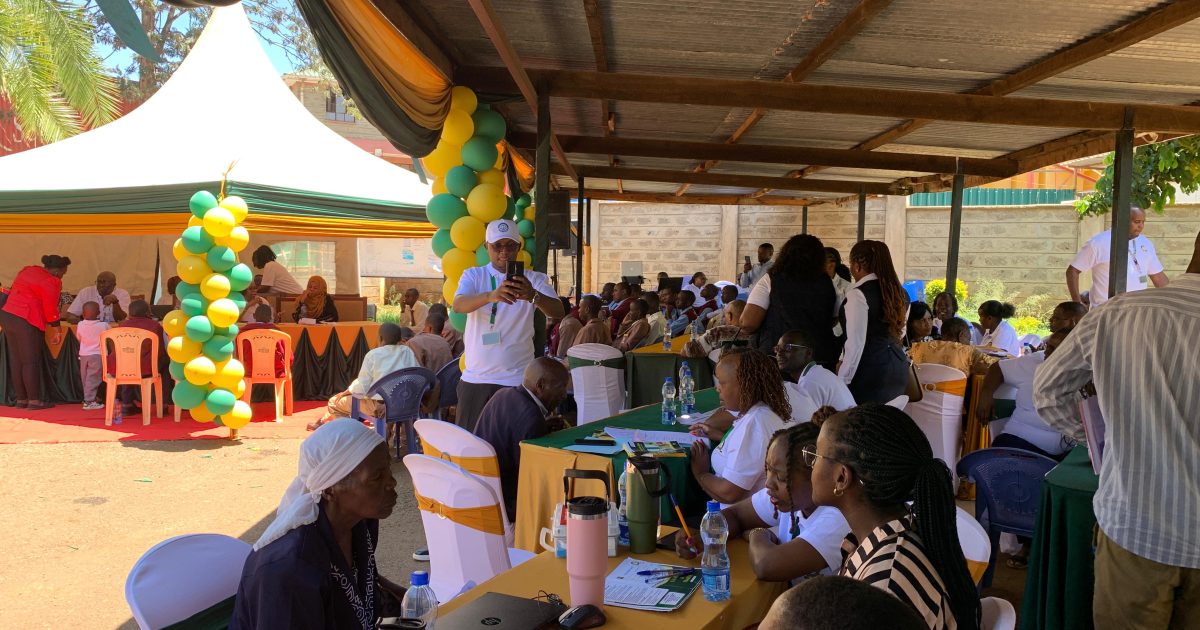
The annual Judiciary Dialogue Day at Kiambu Law Courts was officially opened on Friday by Presiding Judge Abigael Mshila, who emphasised that every dispute has a solution and urged members of the public to openly share their feedback on judicial services.
The event, held simultaneously across all judicial stations countrywide, provided a platform for direct engagement between the judicial staff, court users, stakeholders, and the public. No formal court proceedings took place, thus allowing candid discussions on service delivery, court processes and improvements.
Judge Mshila highlighted the heavy caseload at Kiambu Law Courts, noting that the station handles approximately 200 cases per day, totalling around 48,000 cases annually.
She pointed out that the court operates with only 10 judicial officers—comprising seven magistrates and three judges—underscoring the need for continued collaboration and efficiency measures to manage the volume effectively.
A representative of National Police Service, local Sub-County Police Commander Francis Njogu, encouraged the public to seize the opportunity to air grievances and provide input that would improve service delivery across the justice chain.
Judge Dorah Chepkwony urged attendees to use the day to better understand court processes, affirming that seeking justice is worthwhile because solutions exist for every matter brought before the courts.
She said, “Be open today—it is your day as the public. Talk to us about where you think we should improve to make service delivery more efficient.”
Munene Collin, representing the Law Society of Kenya (LSK) Kiambu Chapter, acknowledged the judiciary’s efforts in delivering justice and pledged continued support from the LSK, including through pro bono services and service weeks to assist vulnerable litigants.
Rachel Wangui, a particpant, appreciated the initiative, saying, “Dialogue days help to demystify court operations and streamline processes for the public.”
Eva Mukumu, representing the Chamber of Commerce, highlighted the importance of accessing timely justice in order to promote business growth and investor confidence, emphasising fair adjudication as critical for economic development.
A poignant human-interest moment came from Caroline Njenga, a 56-year-old widow and victim of land grabbing by relatives. She shared her frustrations over a case that had remained pending for eight years.
Ms. Njenga said the informal setting allowed her to receive feedback and answers for the first time. “I now live in renewed hope that I will secure justice soon,” she said.
The event aligned with the national theme, “Engaging Citizens, Strengthening Justice”, fostering partnerships and gathering valuable feedback to enhance transparency, efficiency, and public trust in the judiciary.
Stakeholders and court users actively participated in interactive sessions, raising concerns about case delays, accessibility, and the role of mediation in resolving disputes, particularly land and succession matters in Kiambu.
Organisers noted that insights from the day, including personal stories like Ms Njenga’s, would inform ongoing reforms and strengthen community-judiciary relations.
The Judiciary Dialogue Day continues to serve as a cornerstone for public engagement, demonstrating the judiciary’s commitment to an open, responsive, and people-centred justice system in Kiambu and across Kenya.
By Felix Kipkorir and Agnes Okada