The Kenya Wildlife Service (KWS) has proposed a sharp increase in conservation fees to bridge a Sh12 billion annual shortfall that threatens the sustainability of wildlife protection and tourism across the country.
KWS Director General (DG) Prof. Erustus Kanga said without urgent financial intervention, national parks could fall into neglect, rangers would be overstretched and Kenya’s globally renowned biodiversity could suffer irreversible damage.
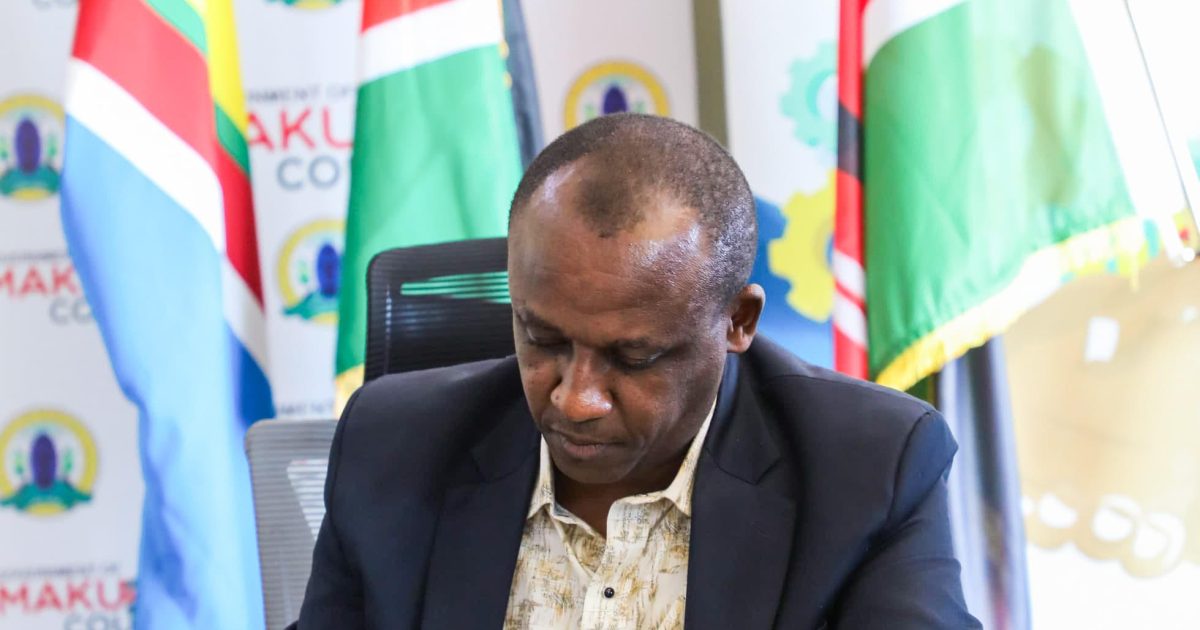
In a speech read by KWS Senior Assistant Director for Western Region Josephat Erupe during a public participation forum held at Tom Mboya Labour College in Kisumu, Prof. Kanga emphasized that the agency’s income, currently at Sh. 7.9 billion annually, falls far short of the Sh19.7 billion required to meet conservation demands.
“The proposed fee adjustments are not just about raising revenue. They are about safeguarding our wildlife heritage and making our conservation efforts sustainable,” he said.
The DG noted that while the costs of fuel, food, patrol vehicles, and accommodation have all increased over time, park entry charges have remained unchanged since 2007 making Kenya’s fees among the lowest globally despite its high-value ecosystems.
If adopted, the new rates under the proposed Wildlife Conservation and Management (Conservation Fees) Regulations, 2025 would take effect in January next year.
They show significant hikes across parks and wildlife sanctuaries, especially those most visited by local and international tourists.
Entry to Nairobi National Park, for example, would rise from Sh430 to Sh1,000 for East African citizens, an increase of 132 percent, while non-residents would pay US$80, up from US$43.
Amboseli and Lake Nakuru National Parks would see citizen rates jump from an average of Sh860 to Sh1,500, while non-residents would pay US$90, up from US$60–75.
In wilderness parks like Tsavo East and West, fees for citizens are set to rise from Sh515 to Sh1,000, a 94 percent increase.
Sanctuary visits, including Nairobi Safari Walk and the Animal Orphanage would go from Sh215 to Sh500.
According to Prof. Kanga, the revenue would be reinvested in key conservation programs, including support for community wildlife conservancies, predator-proof bomas, fencing of human-wildlife conflict hotspots, and benefit-sharing initiatives with local communities.
He added that the proposed fee review was part of a broader strategy to professionalize and expand Kenya’s conservation economy.
This, he said, includes hiring more rangers, improving park infrastructure, supporting ecotourism ventures, and opening up parks to new recreational activities such as water sports and cultural tourism.
“Our shared mission is to protect Kenya’s natural heritage while supporting livelihoods and sustaining tourism. This review, shaped by public input, is a critical step toward that future,” said Prof. Kanga.
The Kisumu forum which is part of 20 other meetings scheduled across the country drew a wide range of public feedback, with participants voicing both support and concern.
Peter Onyango questioned the timing and rationale behind the proposed increases.
“Is this fee review based purely on the passage of time, or are there actual improvements in park services to justify the cost?” he posed.
Reverend Wilberforce Okoth called for diversification of wildlife experiences and species in the parks, arguing that the visitor experience had grown repetitive.
“We must introduce new animal species and enhance the appeal of our parks. Seeing the same animals every time limits the thrill,” he said.
He also urged KWS to make community benefits more visible and meaningful.
Kisumu County Director of Tourism Inviolete Adhiambo emphasized the importance of wildlife not just as an economic driver but as a cultural and environmental symbol of Kenya.
“Wildlife is not just a treasure; it’s part of our identity, a pillar of our tourism industry, and a key to ecological balance,” she said.
Adhiambo voiced support for the proposed regulations but cautioned that implementation must remain inclusive, pro-poor, and transparent.
“We must ensure that revenues are reinvested in conservation and used to uplift local communities. Empowering indigenous communities as stewards of wildlife is critical,” she said.
By Ogada Kenedy and Billgates Odwar