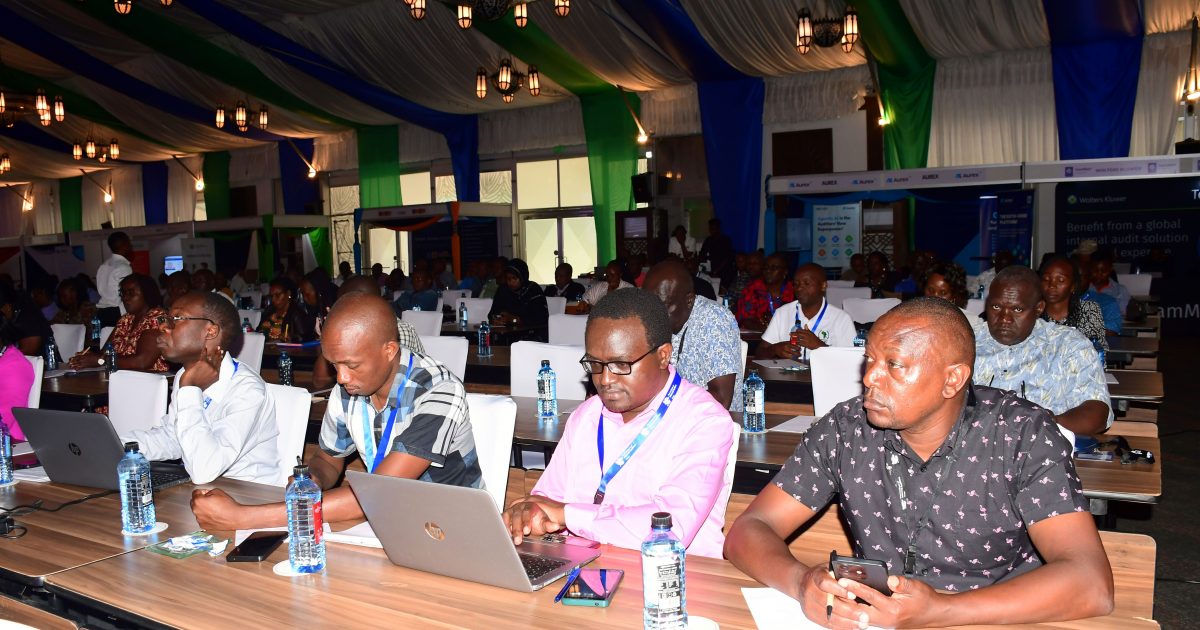
Kesses Member of Parliament (MP) and Certified Public Accountant (CPA) Julius Ruto is advocating for the establishment of well-structured and independent internal audit departments across public institutions as a key measure to combat corruption and prevent the misuse of public resources.
Speaking on the sidelines of the 22nd Annual Internal Audit Seminar organized by the Institute of Internal Auditors (IIA) Kenya in Mombasa, CPA Ruto affirms that the National Assembly is keen to develop a robust, sound legal framework to facilitate the minimization of wastage of public resources through amendment to the Audit Act.
The move, he said, will not only curb the direct corruption in government institutions but also address the wastage of time and resources.
The legislator further stated that the current corruption is more systemic than it used to be traditionally, “because as we adopt technology and improve the systems guided by the computer, even those designers of corruption are elevating their standards of corruption.”
Strengthening of internal audit, he noted, may assist in curbing corruption and profligacy. “The more technology comes in, it requires a person with the same understanding.”
CPA Ruto added that for many years, organizations have been relying on external auditors, which he said is a post-evaluation. The external auditors, he noted, leave comments and advisories, which have proven to be a daunting task in following up on particular issues raised.
“Every other time, if you look at the Auditor’s report repetitively, they are repeating what we called prior year issues consistently and in the long run, we lose out on the value for money and the scarce resource of time,”
Institute of Internal Auditors Kenya Chairperson Lilian Mwangi echoed Ruto’s sentiments, highlighting the growing relevance of internal audit in today’s digital age.
“The internal audit profession has evolved into a strategic advisory role, moving beyond compliance and financial audits,” she said. “This year, the global internal audit standards were revised, putting a renewed focus on excellence.”
Mwangi added that the profession is embracing technology and aligning with organizational strategies to deliver timely and impactful advisory services.
She revealed that plans are underway to integrate artificial intelligence into audit processes to boost efficiency and responsiveness.
To remain agile and proactive in a rapidly changing risk environment, the chairperson stated that they stay informed about local and global developments, ensuring they provide accurate advice to the organization.
By Sadik Hassan