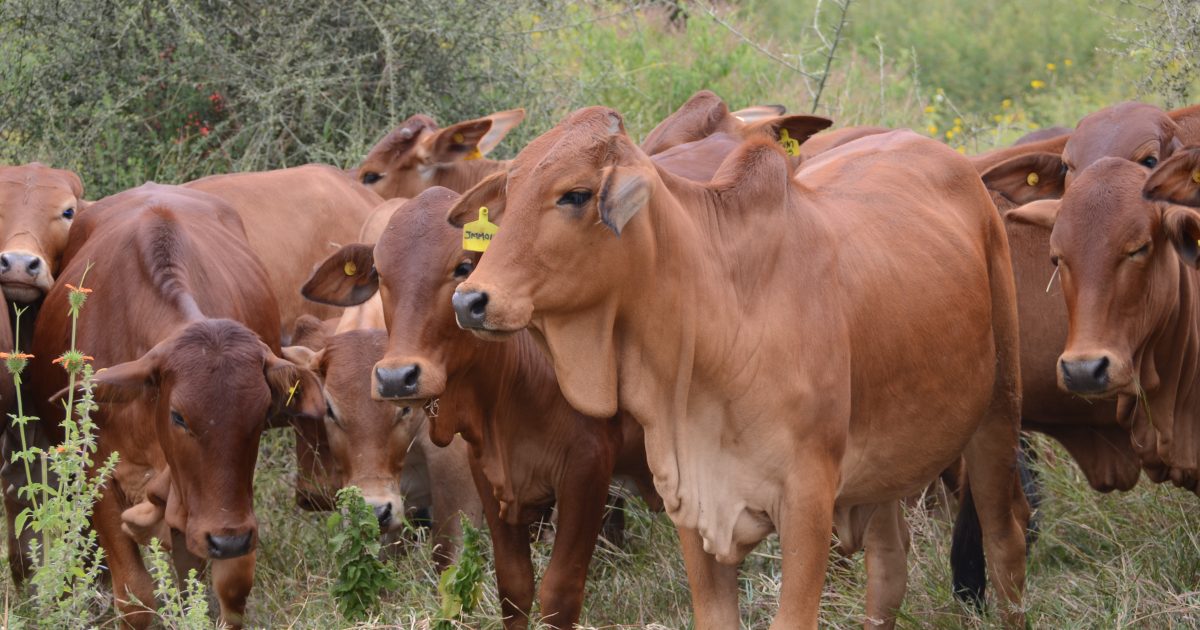
Kajiado County, a vast semi-arid region in southern Kenya, continues to depend heavily on livestock farming, with cattle keeping remaining at the heart of the Maasai community’s economic, cultural, and social life despite the challenges posed by harsh climatic conditions.
The land, characterized by intense heat, dusty soils, and scarce rainfall, may appear inhospitable, but to the local Maasai people, it remains a source of identity and livelihood. For generations, cattle have been more than just animals; they are a symbol of wealth, a source of income, and a central part of Maasai tradition.
“Cows are our source of income. When we need school fees or food, we sell one. And when you have many, people respect you,” says David Olenku, a herder based in Kajiado.
In the Maasai culture, cattle serve multiple roles. They are paid as bride price during marriage, used in cultural ceremonies, and are widely considered a blessing from God. However, the reality of keeping cattle in such an environment is becoming increasingly difficult.
Kajiado’s semi-arid climate means pasture and water are in short supply for most of the year. Herders often trek long distances in search of grazing land and water points. The situation worsens during droughts, when livestock losses can be devastating.
“Last year, I lost half of my herd, it was painful to watch them die. We had no grass, no water, and no help at the time,” recounts Olenku.
However, despite the persistent challenges, local herders are adapting to changing times. Many have started planting and storing grass for use during the dry season, while others are embracing resilient cattle breeds such as Boran and Sahiwal, which are better suited to hot and dry conditions.
“Cattle are our history and our future, even if the world changes, we cannot abandon them,” Olenku emphasized.
To address the recurring problems caused by drought, the Kajiado County Government, in collaboration with development partners, has rolled out several initiatives.
These include drilling boreholes, promoting rainwater harvesting, and encouraging herders to insure their livestock to cushion them from losses during prolonged dry spells.
Women in Kajiado have also become increasingly involved in livestock-based livelihoods. Organized in groups, they are now selling milk to local schools and hotels, earning income that helps support their families, a shift from past traditions.
“We used to depend only on our husbands, but now, with milk sales, we also contribute to the home,” Mary Namenya, a milk vendor in Kajiado said.
During traditional ceremonies such as weddings, cattle continue to be the main gift and source of food, reinforcing their deep cultural significance.
Experts have underscored the need to integrate traditional livestock practices with modern management techniques to enhance the sustainability and profitability of pastoralism.
They point out that improved grazing practices, efficient water management, uptake of livestock insurance, and access to reliable markets are critical in helping herders build resilience against climate shocks and secure their livelihoods.
By Damaris Nyongesa and Ivy Asamba