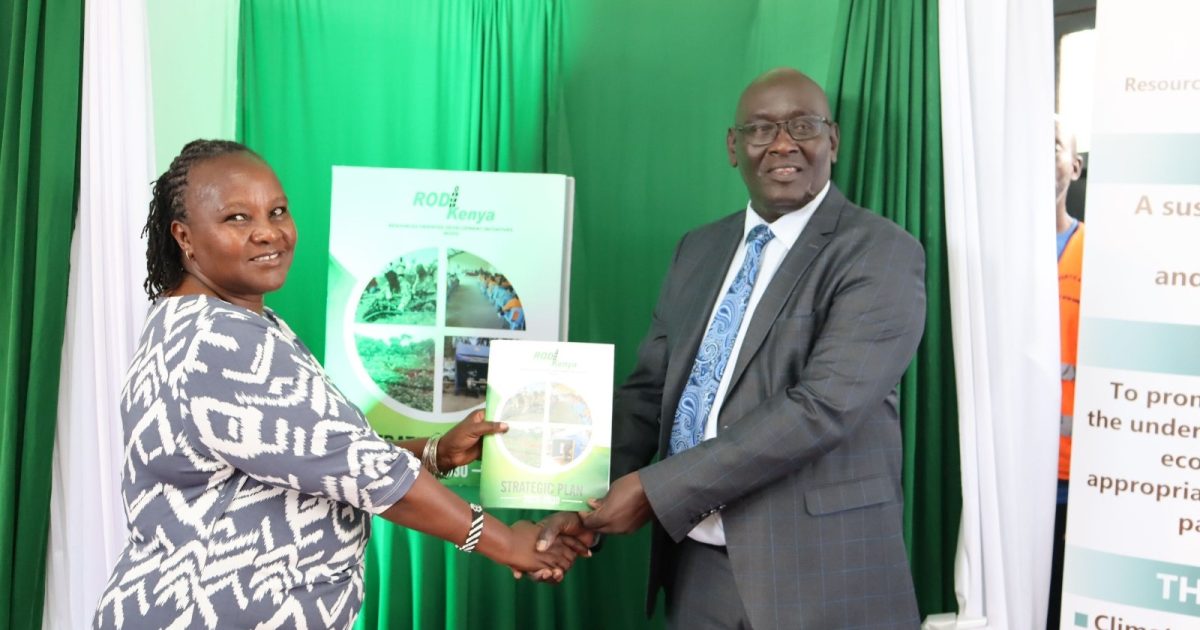
An expanded push to reform Kenya’s correctional system is underway following the launch of a new strategic plan by Rodi Kenya, an organization that has spent over three decades working with inmates and former prisoners to rebuild their lives.
The organization, in partnership with the Kenya Prisons Service is scaling up programs that focus more on behavioural change, vocational training and agroecology as part of efforts to reduce reoffending and ease reintegration into society.
Speaking during the unveiling of Rodi Kenya’s 2026–2030 Strategic Plan at their offices along the Eastern Bypass, Executive Director Esther Bett said the organization has reached thousands of inmates through structured rehabilitation initiatives.
She noted that more than 45,300 prisoners have been trained in life and vocational skills, while 4,120 former inmates have been supported to reintegrate into their communities after completing their sentences.
In addition, about 38,800 pre-trial detainees have received legal aid, a move she said has helped reduce repeat offences and improve compliance with human rights standards.
Bett observed that agroecology has emerged as a key pillar in the rehabilitation process, with inmates and surrounding communities embracing organic farming as a sustainable source of food and income.
She noted that the shift to chemical-free farming is gradually improving soil health and boosting food safety.
The launch event was presided over by Deputy Director General of Prisons Nicholas Maswai, who commended the organization for complementing government efforts in rehabilitating offenders.
Maswai remarked that the collaboration has contributed to transforming inmates into productive members of society, noting that thousands of former prisoners are now earning a livelihood using skills acquired while in custody.
“We have seen real change, with former convicts engaging in meaningful economic activities after release,” he stated, adding that at least 4,000 ex-inmates have successfully rejoined their communities.
A beneficiary of the programme, David Mburu, reflected that he developed an interest in organic farming while serving a sentence at Nairobi West Prison.
He now trains farmers in Kiambu County, encouraging them to adopt safer farming methods. Mburu warned that prolonged use of chemical fertilizers and pesticides poses health risks linking them to rising cases of diseases such as cancer.
He said the adoption of organic farming could help mitigate such risks while improving livelihoods.
Rodi Kenya officials said partnerships with the prisons department and other stakeholders will remain central to expanding the program’s reach to more correctional facilities and communities across the country.
The event was attended by key stakeholders, including Rodi Kenya Chairman Lenny Njogu, representatives from the legal and agricultural sectors, and officials from the local county government.
By Bernard Munyao