As the Machakos High Court is on Thursday November 27, 2025 expected to deliver a landmark judgment that could determine the future of indigenous seed use in Kenya, farmers in Machakos are pleading with the court not to rule in favor of criminalizing the commercial sale and exchange of uncertified and indigenous seeds since they are more suited to the local weather conditions.
According to the seeds and plant variety Act, it prohibits the sharing and selling of seeds by farmers which mostly accounts for over 80% of seeds used by small scale farmers in Kenya.
However, the law requires farmers to use registered and certified seeds to boost productivity and ensure quality control which the farmers have raised concerns over the price.
The issue has sparked intense debate among farmers and policymakers as small-scale farmers argue the law criminalizes their traditional practices, including sharing, exchanging, or selling indigenous seeds that they have relied on for generations.
A section of farmers in Machakos during a community dialogue on climate adaptation and food sovereignty organized by Haki Nawiri Afrika and supported by Power shift Africa say certified seeds are expensive and inaccessible, and want the court to consider allowing them to continue exchanging and tracing seeds that require no pesticides only manure.
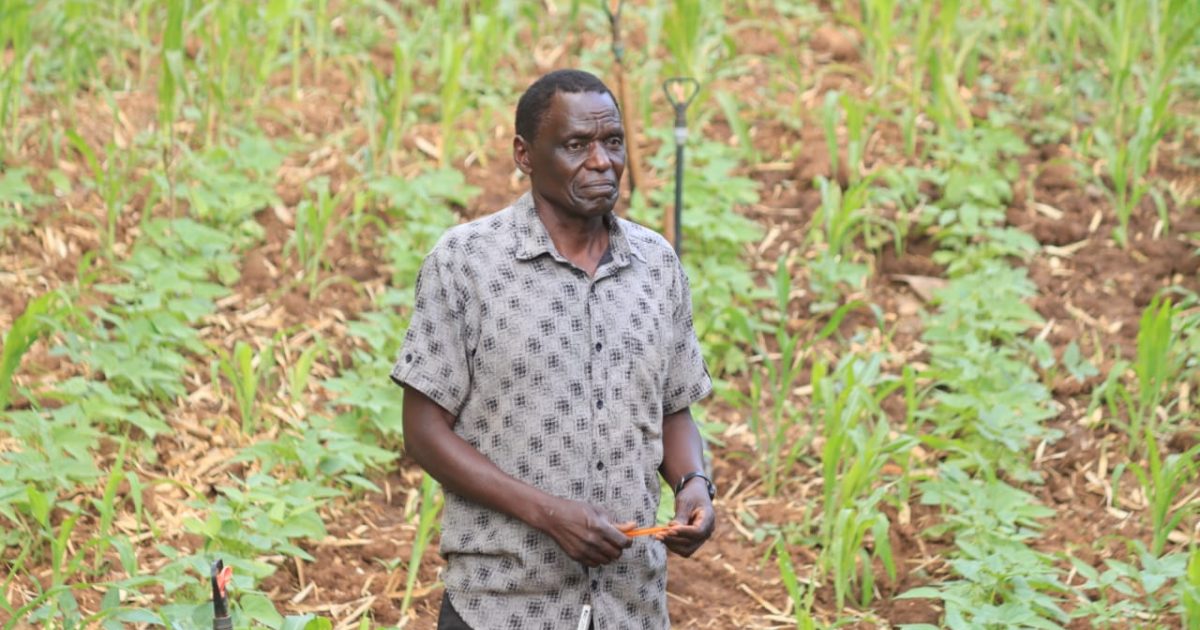
Peter Nzioka an Agro ecology expert and indigenous farmer from Kaani in Machakos, who was speaking during the community dialogue, has been preserving indigenous seeds in a seed bank for over 15 years, holding over 30 different types of seeds, argues that, restricting their use threatens biodiversity, food security, and their cultural heritage.
Nzioka adds that he prefers having the power to trace and control the food he eats by saving and controlling his indigenous seeds and hopes the courts will give the farmers their freedom to sell and exchange the seeds as he foresees food insecurity if the courts turn against them.
“Our indigenous seeds are adaptable and drought resistant as our forefathers had used and reused them years ago, and if the courts rule against the indigenous seeds, then we will have food insecurity,” said Nzioka.
Anastacia Syombua a member of the Kaani smallholder farmers called upon the courts to consider that indigenous seeds are part of climate adaptation as she notes that “Let them not deny us the freedom to use our indigenous seeds; it is what I have relied on in my farm for several years”.
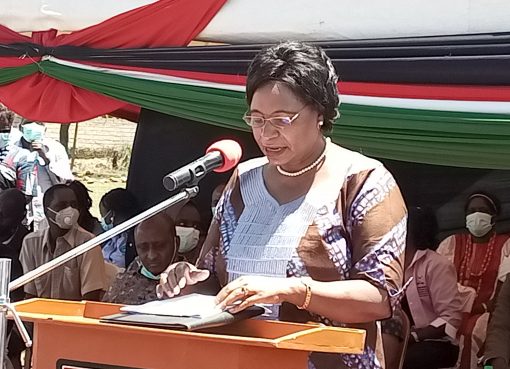
Leonida Odongo-founder of Haki Nawiri Afrika who also spoke to the farmers during community dialogue, said they are positive the ruling by the Machakos high court will be in favor of small holder food producers and called for a more inclusive seed policy that protects both modern agricultural standards and traditional farming knowledge.
Ms Odongo emphasized that the community dialogue was also to mobilize farmers in Machakos to show up in court and show solidarity on their food and heritage and hope that the courts will reflect on the constitution on indigenous seeds that recognizes the importance of indigenous seeds to the nation.
“This is about our future and we are carrying out community mobilization and conversations on food and climate justice and we are emphasizing to communities that every house hold should have a seed library and a granary just as it was in the past since a granary symbolizes food sovereignty,” said Ms Odongo.
The farmers and various stakeholders are looking forward to the ruling and if the court rules against the indigenous seeds, then they will submit a petition urging the court to heed to their concerns and the health of the nation against the hybrid seeds.
By Anne Kangero