Clubfoot Care for Kenya (CCK) has partnered with the Migori County Government to address rising cases of clubfoot among infants through early detection, treatment and community sensitisation.
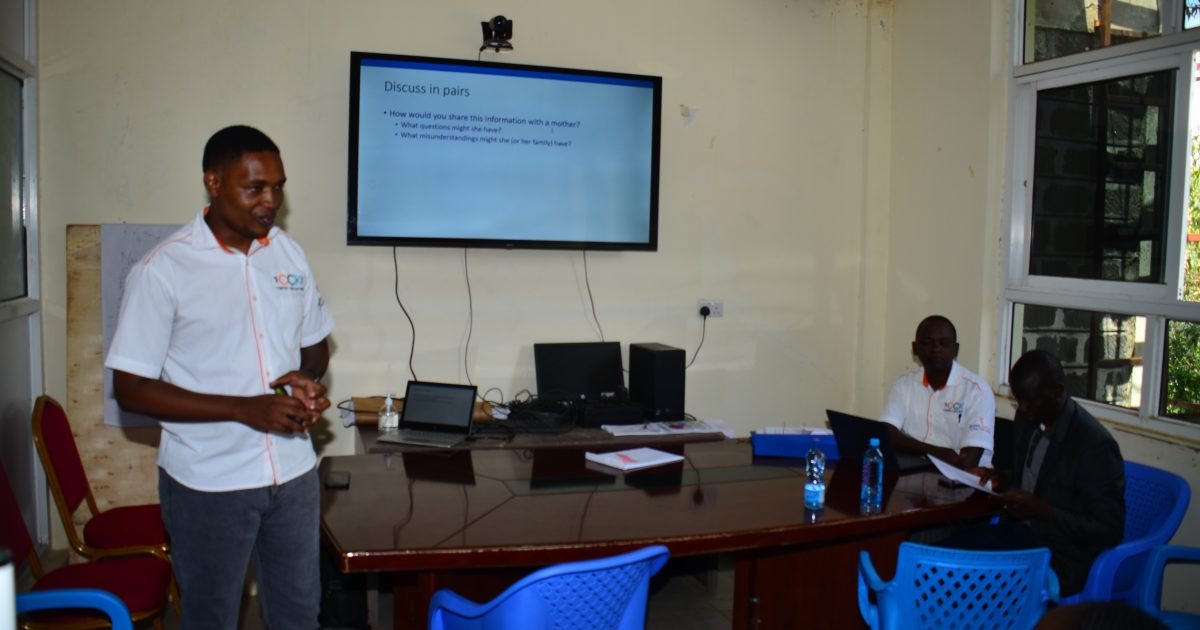
The partnership will see the establishment of a free weekly clubfoot clinic at Migori County Referral Hospital (MCRH), running every Tuesday. Eight doctors have undergone specialised training to manage the condition, alongside a trained counsellor who will offer psychosocial support to affected families.
CCK is a non-profit organisation dedicated to reducing disabilities caused by clubfoot through early intervention and treatment. The organisation has played a key role in providing free corrective care and follow-up support for children born with the deformity across Kenya.
Fredrick Otieno, the lead physiotherapist at Migori County Referral Hospital, said that although clubfoot is a congenital condition whose exact cause remains unknown, it is highly treatable if detected early.
“Clubfoot can be corrected effectively in infants up to the age of five years using non-surgical methods. Between the ages of five and 18, treatment is still possible, but it often requires surgery. The biggest challenge is identifying and bringing infants early enough to reverse a deformity that can otherwise be managed easily,” Otieno explained.
He noted that the recent sensitisation and training programme will strengthen the capacity of health personnel in Migori to identify cases at birth and make prompt referrals for timely intervention.
“We have at times missed cases that required referral to rectify clubfoot. Going forward, we aim to improve our identification mechanisms, referrals and timely linkages to ensure affected children receive appropriate care,” he said.
Before the partnership, clubfoot patients from Migori were referred to facilities in Kisii, Kisumu or Kendu Bay Adventist Hospital in Homa Bay County for specialised treatment. The cost of travel and accommodation made it difficult for many families to access care, resulting in delayed treatment and, in some cases, permanent disability.
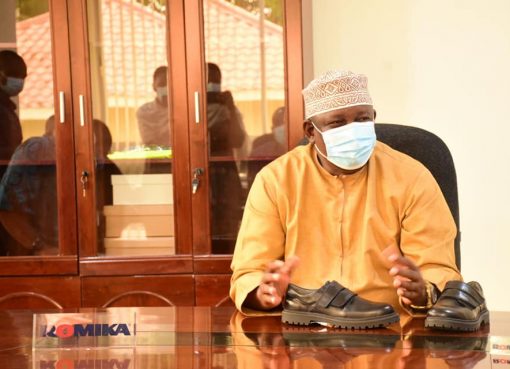
Under the new arrangement, children diagnosed with clubfoot will receive free treatment at MCRH. The standard Ponseti method will be applied, involving gradual correction using plaster casts, followed by the provision of specialised braces and shoes supplied by CCK at no cost. Parents will also receive guidance on adherence to treatment schedules to ensure successful outcomes.
Globally, one in every 1,000 live births is affected by clubfoot. In Kenya, an estimated 2,000 children are born with the condition annually. In Migori County alone, about 40 children are born with the deformity each year, with between two and four cases currently managed at MCRH every month.
Otieno observed that Migori continues to record high incidences of late referrals, creating a backlog of untreated cases. He expressed optimism that the collaboration with CCK will significantly reduce delays through community awareness and early detection at maternity units.
If left untreated, clubfoot can lead to lifelong physical challenges, limiting access to education, employment and social opportunities. Many affected individuals are excluded from physically demanding careers such as the police service and professional sports due to mobility limitations.
Isaac Mutua, an official from CCK, said the organisation has already partnered with 23 counties nationwide to combat clubfoot-related disabilities and secure a better future for affected children.
“By establishing a clinic in Migori, we are bringing services closer to families. Parents will no longer bear the financial burden of travelling to other counties for treatment,” Mutua said.
He added that CCK’s approach goes beyond medical treatment to include counselling and capacity-building for healthcare workers, particularly in rural settings, to ensure swift referrals and early intervention.
When detected and managed early, clubfoot has a success rate of up to 98 percent, enabling children to grow normally and participate fully in play and other activities like their peers.
Mutua urged parents to seek medical attention immediately upon noticing the condition, emphasising that clubfoot is not a curse but a medical condition that can be corrected with timely care.
by Makokha Khaoya