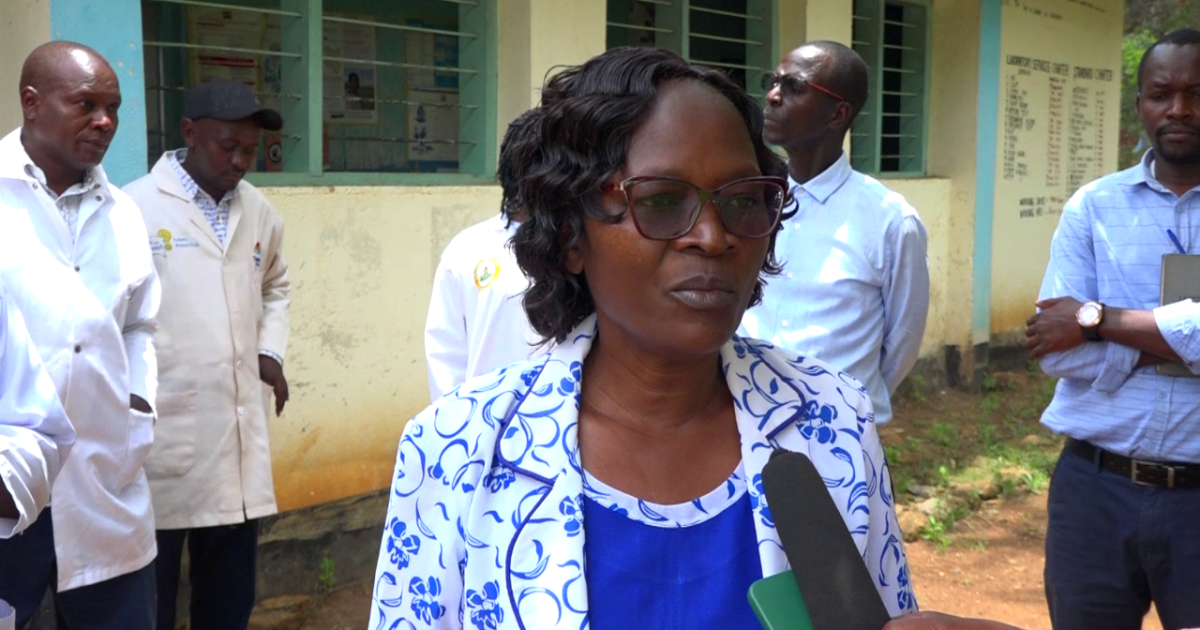
Migori county chief officer for medical services, Mabel Chanzu has appealed to expectant mothers to religiously attend antenatal clinic and ensure that their deliveries are done in hospitals.
Chanzu regretted that at least 10 per cent of women in the area still give birth at home, despite the efforts put in place to ensure safe deliveries in public health facilities.
The chief officer, who conducted a supervision exercise at Sibuoche Health Centre to evaluate drug supply, staffing, and service delivery, said that while most women deliver in health facilities, those doing otherwise exposed their babies to grave health risks.
She emphasised the need to promote skilled deliveries by the Community Health Care Workers to reduce maternal and infant deaths.
The official also raised concerns over the rising cases of early pregnancies in the county, noting that the health department was responding by providing family planning services and conducting community education programmes to empower young people to help them make informed choices.
Chanzu also raised concerns over budgetary constraints and delays in employing or replacing health workers who had been transferred, retired, or left the service through natural attrition.
The official, however, disclosed that the county government had given priority to the recruitment of nurses due to their critical role in patient care.
However, despite this, staffing levels still remain at only 50 per cent in some community facilities, significantly reducing the capacity to serve patients.
Chanzu also called upon residents to register for the Social Health Authority (SHA) to benefit from affordable healthcare, stressing that enrollment in the scheme would ensure broader access to medical services, particularly for vulnerable households.
She reaffirmed the county’s commitment to improving healthcare by ensuring a steady drug supply, strengthening staffing and addressing reproductive health challenges.
The chief officer also encouraged the community to make maximum use of available health facilities to reduce preventable illnesses and maternal deaths.
by Awuor Andclay & Makokha Khaoya