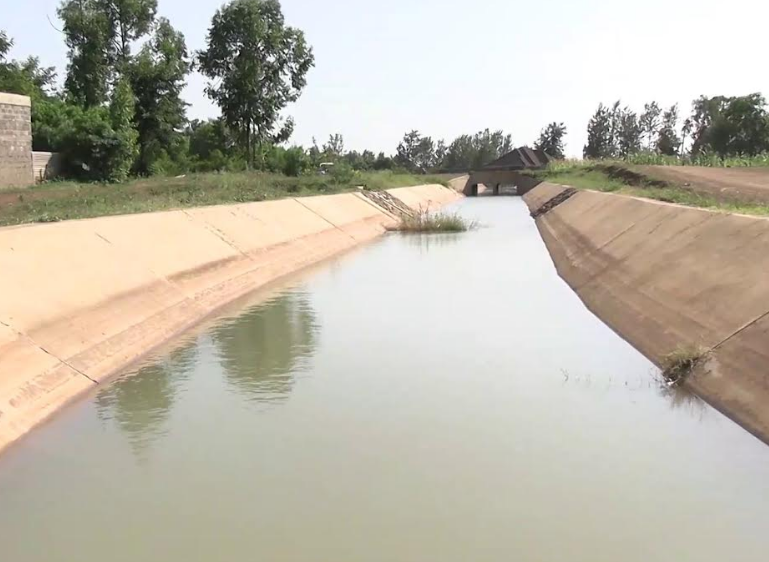
Construction of a major irrigation canal in Mutithi Ward, Mwea Constituency, is set to expand rice cultivation by 10,000 acres, a move expected to significantly reduce Kenya’s national rice deficit.
The Sh1 billion project is being implemented by the National Irrigation Authority (NIA) and is scheduled for completion by August this year.
It is being executed by three contractors. Once completed, the canal will expand irrigation in the Mutithi area and strengthen the overall capacity of the Mwea Irrigation Scheme, which currently covers more than 31,000 acres.
Rice farmers in the Mutithi section said the project initially experienced delays after its launch but noted that renewed commitment from the national government, through the Ministry of Water and Irrigation, has restored confidence among farmers.
Farmers welcomed the progress, saying the project will unlock the agricultural potential of Mutithi and increase rice production.
Areas such as Nguka and Cumbîrî have for years suffered persistent water shortages, affecting crop yields.
The new canal is expected to provide a steady and reliable supply of irrigation water to the farms.
Mwea Irrigation Scheme Chairman Peter Chege said the project is critical to food security at both local and national levels.
“Kenya is currently facing a rice deficit of about 700,000 metric tonnes, forcing the government to rely on imports to meet demand. This expansion will help reduce that gap,” Chege said.
He added that the canal will largely depend on water from the Thiba Dam, which ensures a consistent supply for both main and ratoon rice crops.
Chege urged the government to ensure the project is completed within the agreed timelines to enable farmers to fully benefit from the irrigation expansion.
The Mutithi expansion, together with improvements such as the rehabilitation of the K3 feeder canal, is expected to enhance food security, improve livelihoods in Kirinyaga County and transform Mwea town into a 24-hour economic hub driven by irrigation, rice milling, transport and markets.
By Mutai Kipng’etich