An anti-GBV project in Kisii County has derived a new approach to endear the community to fight all forms of gender-based violence (GBV), a vice that has dogged the community for a long time.
Fulda Mosocho project is now using what they term as the value-centered approach to train volunteers to fight domestic violence, female genital mutilation, rape and defilement.
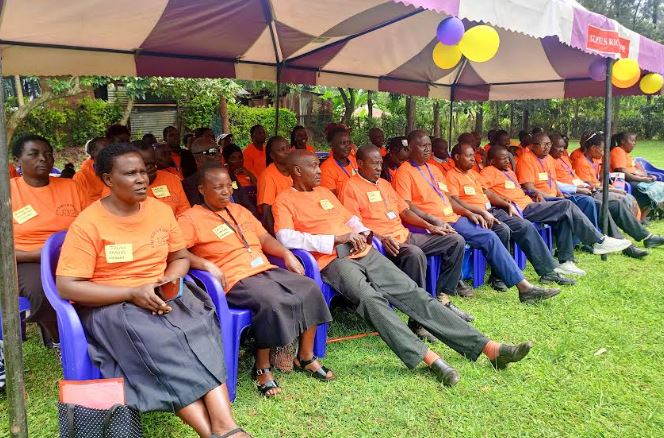
Speaking during the graduation ceremony for about 100 trainees in Mosocho town in Kitutu Chache South, Kisii County, the Fulda Mosocho project coordinator Jones Maranga explained that all aspects of training focused on families of the trainees by ensuring there was a change of negative attitude and psychological stability before reaching out to others.
This form of Training of Trainers (ToT), according to Maranga, ensured the trainees, some of whom are survivors of GBV, become good ambassadors of change.
Citing some causes of GBV, including land disputes, financial issues, lack of proper communication, joblessness, and stress, Maranga said drugs of addiction were also a major contributory factor and called for support of the youth to disengage from the vice.
Jane Bonareri, a teacher and the training concept developer at the center, said the approach, which is referred to as the value-centered approach, meant involving the trainees to actively participate and learn directly from their life experiences.
She said GBV was not only a violation against women, as many tend to think, but it also affected men and children of both genders, with domestic forms of violence being the most common in the community.
The contents of lessons taught by the 20 trainers at the facility, she explained, included the meaning of GBV, cool-down factors, and how to finally stamp out the menace.
Others are forms and consequences of female genital mutilation, which is also a form of GBV. Facilitators also sensitize the community through visiting public barazas, churches, and schools.
Bonareri said the training is for volunteers, who do applications after which they are selected according to gender and age.
She said the current cohort saw trainees chosen from three sub-counties, including 40 from Kitutu Central, although only 29 managed to attend, Marani (32) and Kisii south (35).
A facilitator of 18 years, Tiberius Moriasi, applauded the program, saying he was a beneficiary after having reformed from perpetrating GBV against his wife.
He explained how learned through the project that women were important and valuable, leading to a change in his negative behavior, and finally, he became a volunteer facilitator to help change the minds of others in the county and neighboring regions.
One trainee, Dominic Mogaka, said his greatest takeawaywas problem-solving at the family level by being a good listener and creating room for more understanding.
He expressed optimism that cases of murder between spouses and the increasing number of orphans in the community following such incidents would drastically go down.
Mogaka appealed to more volunteers to join the program, saying the number was still minimal to manage the vast patriarchal community.
The project is supported by a German non-governmental organization to fight GBV in Kisii County.
By Jane Naitore