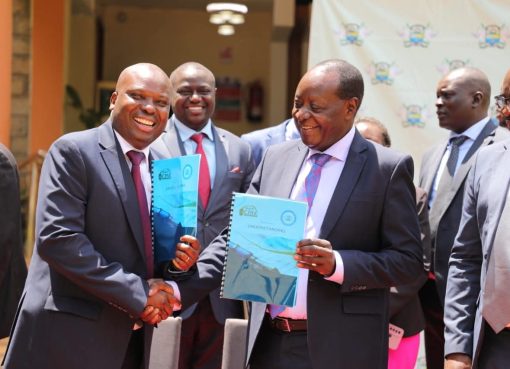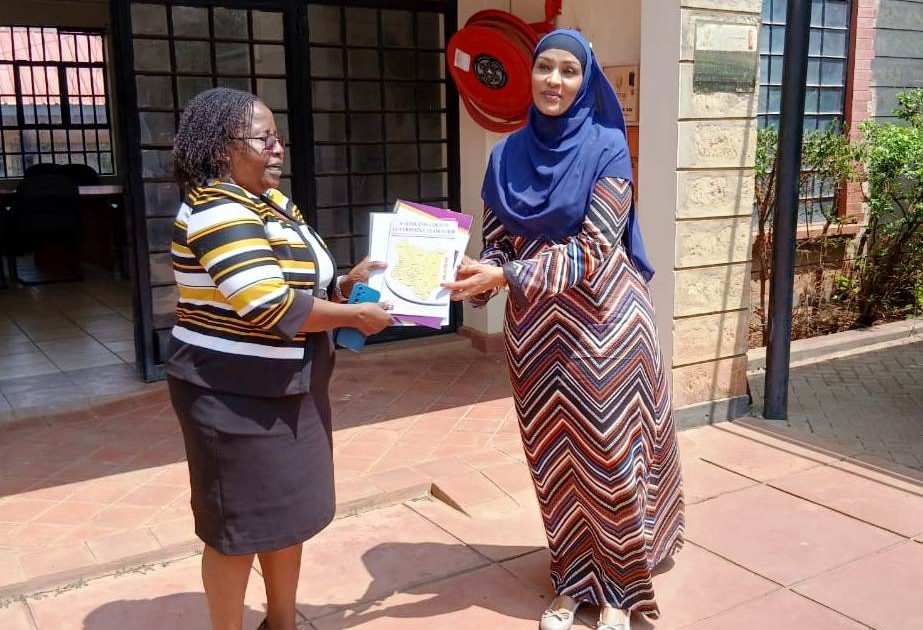
The National Gender and Equality Commission (NGEC) has launched a nationwide study on the challenges facing girls’ education in marginalized communities.
The commission said the research will generate evidence on barriers affecting enrollment, retention and learning, with the aim of formulating a guiding policy and resource allocation strategy to aid in addressing the challenges.
Speaking during the launch, NGEC chairperson Rehema Jaldesa said the exercise comes at a crucial time as schools reopen for the third term.
“The third term is a critical moment, especially for candidates preparing for national examinations and the schools must provide a safe and supportive environment for all learners,” Jaldesa said.
She said that a team of officials from her commission are touring nine out of 10 wards in Isiolo county in finding facts on the learning conditions of girls in the remote areas, where sometimes female teachers are not found due to insecurity, lack of water which affects staffing of the institutions, leading to lack of female gender mentors for the girls.
The chairperson added that some girls drop out of schools for lack of rightful guidance from parents and teachers and sometimes ending up in early pregnancy and marriages that negatively affect their lives.
Isiolo County Director of Education (CDE) Caroline Mugo commended the NGEC’s readiness to partner with the Education Ministry because the initiatives invested in the sector were well intended to benefit the girl child from the remote regions, so that they could effectively compete with other counterparts to realize their full potential.
Mugo revealed that the Education Ministry was committed to providing free day secondary and primary education with all strategies and policies implemented, achieving increased numbers of girls in learning institutions in far-flung areas and also to help retain children in schools.
“Entry and re-entry policies of girls who have dropped out of the school have been implemented. We have been able to move them out of the villages and we are going to do the same and bring them back to school where they are supposed to be,” said the CDE.
She urged the county government, parents and teachers to work together to overcome cultural barriers that hinder girls’ education.
By Brillian Kwamboka and Eussania Adhiambo