Construction of the Ngenia Underpass is advancing steadily, with crews working around the clock as part of the broader Kamandura–Mau Summit Road expansion, a flagship infrastructure project under President William Samoei Ruto’s Kenya Kwanza administration.
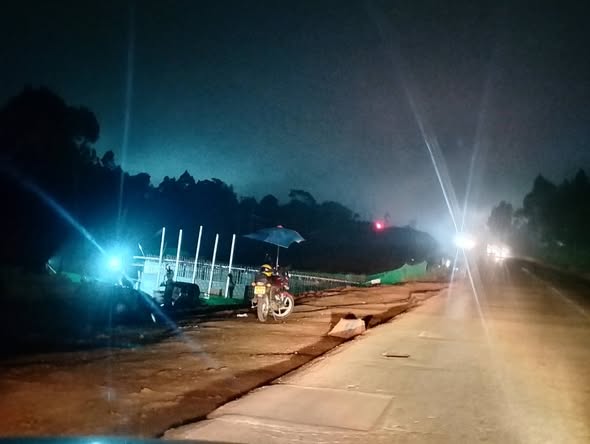
Earthworks and structural installations at the Ngenia site are progressing both day and night, reflecting the urgency the government has placed on timely delivery. Workers have been laying proper drainage systems as part of the underpass construction, a critical component designed to enhance the road’s durability and resilience across Kenya’s diverse and often unpredictable weather conditions.
The Ngenia Underpass is one of several grade-separated structures planned along the corridor. The overall project includes 41 underpasses, 15 interchanges, eight footbridges, 25 kilometers of service lanes, eight wildlife crossings, and 118 bus bays, all designed to improve connectivity and safety.
The Ngenia works form part of the larger Rironi–Mau Summit Highway upgrade, a landmark project spanning 139 kilometers from Nairobi to Gilgil and Naivasha, implemented through a Public-Private Partnership between China Road and Bridge Corporation (CRBC) and the National Social Security Fund (NSSF).
President Ruto officially launched the project on November 28, 2025, at Kamandura in Kiambu County, promising it would ease congestion and boost regional trade, with a completion target of June 2027.
The highway upgrade will feature a four-lane dual carriageway from Rironi to Naivasha and a six-lane dual carriageway between Naivasha and Nakuru, replacing an earlier two-lane proposal the president rejected as inadequate for future traffic demands.
The strategic importance of the corridor cannot be overstated. The route serves as a critical artery for vehicles travelling to Western Kenya, Nyanza, Uganda, Burundi, Rwanda, the Democratic Republic of Congo, and Central Africa. The highway currently carries an estimated 20,000 vehicles daily, a figure projected to grow by four percent annually.
For residents and frequent road users, the ongoing works — including the Ngenia Underpass, represent long-awaited relief. Local residents have described severe congestion along the route, with vehicles sometimes stuck for hours, people stranded overnight, and a high incidence of road accidents, conditions they hope the completed project will consign to history.
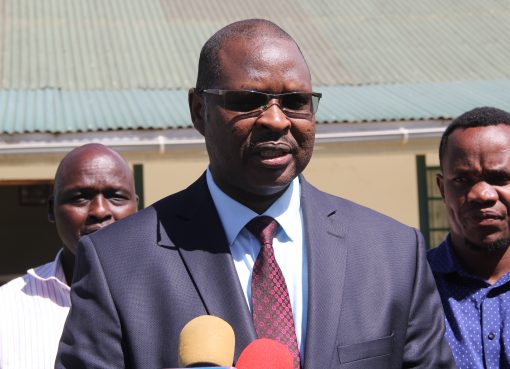
“Alternative roads will be identified from Rironi to Mau Summit for use by members of the public who may not wish to pay the toll fees,” Kimeli said, adding that rates would be regulated to ensure affordability, transparency, and sustainability.
Beyond local benefits, the upgraded highway is designed to link East Africa to the Western and Northern corridors, unlocking markets for farmers, facilitating cross-regional trade, and improving access to schools, health centers, and emergency services.
Two contractors are working simultaneously from Rironi and Gilgil to ensure timely delivery, with completion targeted for Madaraka Day 2027. The Kenya National Highways Authority (KeNHA) has indicated that all progress updates will be disclosed publicly in accordance with the PPP Act.
Once the Ngenia Underpass and the wider expansion are complete, the project is expected to significantly cut travel time, lower vehicle operating costs, and deliver a safer, more reliable transport experience for millions of road users across the region.
By Ivy Chege