Ngong Law Courts in Kajiado North Sub County will from next month, April, operate Small Claims Courts (SCC) to handle commercial disputes under one million shillings.
The SCC courts come in handy since the cases will also be settled within 60 days, providing an accessible, fast, and cost-effective justice system for residents.
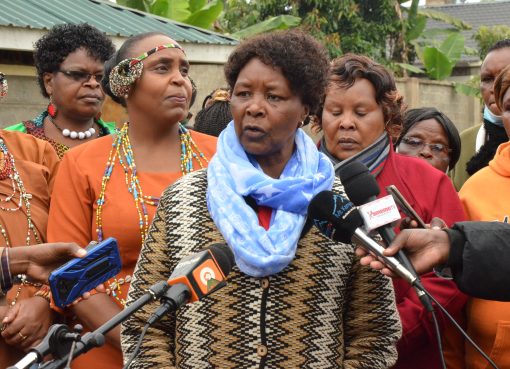
Speaking to KNA Wednesday during the Ngong Law Courts Judiciary open day at the EmbulBul Chiefs office, Daniel Limo, a court administrator from the Office of the Registrar Magistrate Court, said the SCC courts are also flexible as they can be done virtually.
“We have 40 Small Claims Courts across the country serving the jurisdiction of a county, and within Kajiado Law Courts we have SCC, but currently we are trying to move to the sub-counties; that is why Ngong Small Claims Court is being opened,” he added.
He gave an example of a case of debt where one is unable to meet their contractual obligation to repay, and this, he noted, can be brought to court. One can represent themselves without an advocate by filing simple forms within the SCC that can be found on the Judiciary website, and the case is heard virtually within 60 days.
“These cases can be resolved seamlessly through hybrid but also at the court and even if there is a case of an old person who is unable to represent themselves, they are allowed to choose and authorize someone to represent them after filing the case,” he explained.
Limo further noted that the SCC fees for both commercial and civil cases are minimal, between Ksh 200 to Ksh 1000, unlike the High Courts, which have fixed fees often exceeding Ksh 1500 and even higher fees for the superior court.
He explained that diversifying from the county level to sub-county would reduce distance for residents who have to go to the county level to access justice, adding that so far SCC has covered 35 counties and now from April they will be rolling out 15 SCCs, one being the Ngong law court.
Ngong Law Courts Chief Magistrate Charles Kutwa said the main purpose of the open days was to sensitize the public, especially on mediation space and how to settle their cases at home even before taking the matter to court.
“We have held these open days for the last three years. We want to build confidence in the court system, interact with wananchi, answer their queries and for them to feel at ease when engaging with us and so far, it has been successful,” he added
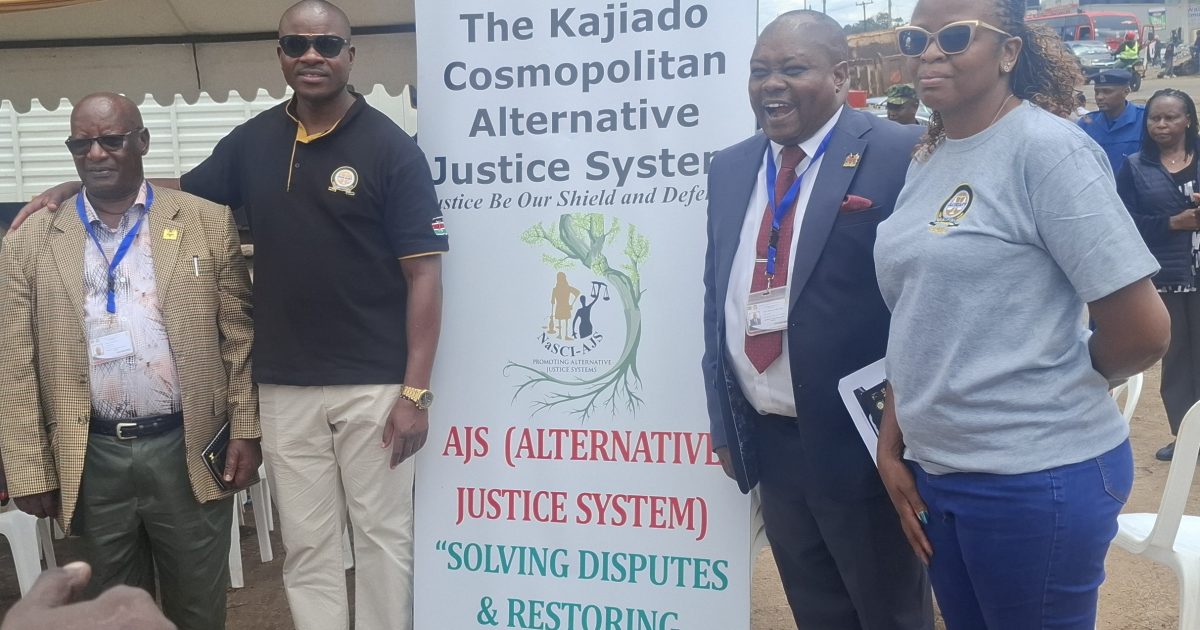
On working with the Alternative Justice System, Kutwa said the court has been advocating for the mediation, reconciliation, and resolution mechanisms not only as a faster, more affordable alternative but also because it reduces court backlogs and high costs such as advocate fees.
“We are having more and more parties who are willing to go for mediation, which is more affordable and has a community-based approach,” he added
The chief magistrate also mentioned that for the past year, the Ngong Law Court has been giving all their past and present court cases dates and giving notices through addresses given, especially for cases that have been there for a long time and even people who have died, acknowledging that the biggest challenge at the courts is the succession cases.
“You find that once a grandfather dies, the person who owns the land, the children, their grandchildren, their great-great-grandchildren don’t want to file succession cases, so that the title can change hands for serious development and this later comes with its challenges”, Kutwa said
During the open day, residents of Ngong were strongly advised to be paying cash bail directly to the court registry through their systems to evade conmen who solicit bribes under the guise of assisting in the bail process.
Cash bail is indeed returnable to the depositor upon the conclusion of a case, provided the accused person has complied with all court appearances and has the proper document such as a receipt. Do not just give scammers frequently operating within court corridors.”
The Judiciary open days are public engagement initiatives where courts, such as today’s Ngong Law Courts, bring justice services closer to citizens to explain court procedures and legal services and enhance awareness, often featuring court-annexed mediation focusing on promoting public understanding of the justice system.
By Wangari Ndirangu