Nyeri County has launched a multi-agency committee to confront the persistent menace of illicit alcohol, drugs and substance abuse, as well as criminal gangs, following a Presidential directive declaring the vice a national emergency.
The directive, issued on December 31 by President William Ruto, instructed that alcohol and drug abuse, as well as the proliferation of criminal gangs, be addressed decisively.
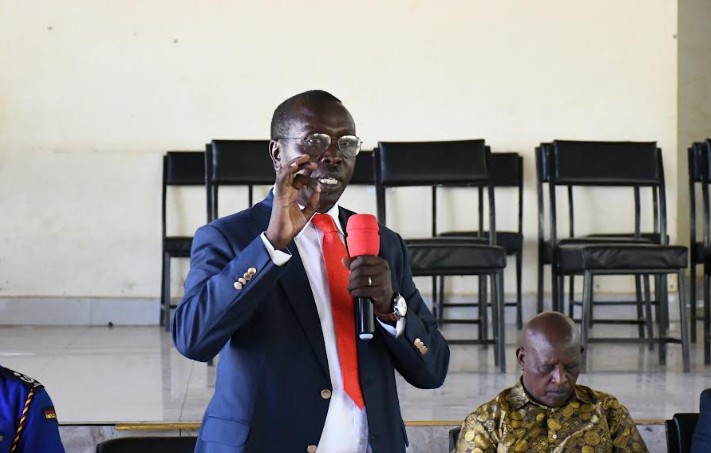
Speaking during the launch, County Commissioner, Josephat Biwott, said the initiative will involve corporate stakeholders, national and county government agencies, and other relevant partners to confront the growing threat of illicit alcohol, drugs, and emerging criminal gangs in the county.
“The effects of alcohol and drugs remain a matter of grave concern in Nyeri, necessitating close collaboration between national and county authorities,” Biwott said.
He singled out counterfeit alcohol as one of the county’s biggest challenges, followed by heroin and bhang trafficking. Peddlers are now targeting 25 learning institutions, including schools, colleges, polytechnics, TVETs, and universities.
“We have records showing that not less than 100 grams of heroin have been confiscated in the county. Those who sell bhang and hard drugs have invested in very serious marketing strategies,” the commissioner noted.
“They have earmarked our learning institutions as major markets. If we remain silent, learning in these institutions will grind to a halt,” he added.
Biwott cited weak licensing controls and rampant corruption among law enforcement officers as major obstacles to curbing drug and illicit alcohol proliferation. He warned errant officers that their days are numbered.
The commissioner also decried the blatant disregard for stipulated business hours by some operators, noting that certain outlets operate from morning until midnight.
“There are officers responsible for enforcement who collect bribes without concern for consequences. This is one reason the president issued the directive,” he said.
Biwott linked rising suicide cases and the breakdown of family units in Nyeri to alcoholism and drug abuse. On average, the county records 10 suicides monthly, placing it among the highest nationally.
During the launch meeting on Wednesday, Biwott informed national and county officials that the President had called for the immediate establishment of a National Rapid Response Initiative (RRI) to crack down on drugs, illicit brews, and gangs.
County committees are expected to roll out targeted public awareness campaigns, educate citizens on the dangers of drug abuse and alcohol misuse, and implement a sustained national plan at grassroots levels to prevent recurrence.
Biwott also warned that civil servants found complicit, corrupt, or negligent will face firm disciplinary action.
“We have four objectives from the Presidential directive. One is to deal with officers who are corrupt or failing to act according to agreed measures. We will address those abetting and those corrupt. We will not allow our reputation to be soiled by a few individuals,” he said.
Nyeri Governor Dr. Mutahi Kahiga emphasized that easy access to illicit alcohol and drugs remains a major challenge, compounding the fight against the vice. He criticized political interference, noting that some politicians shield offenders.
“One of our weakest links is political influence. When politicians prioritize elections over the next generation, it undermines our efforts. Let us do politics elsewhere and allow the RRI to succeed,” Kahiga said.
The governor also called for mutual cooperation among law enforcers, bar owners, and other stakeholders to curb uncontrolled drinking while protecting legitimate businesses.
He acknowledged legal reforms, including the enactment of the Nyeri County Alcoholic Control Act of 2024, aimed at regulating alcohol consumption.
“The government is not targeting legitimate alcohol businesses. Our goal is to eliminate illicit brews and second-generation liquor. Working together, national and county enforcement teams can curb these vices,” Kahiga added.
While urging committee members to strictly enforce the strategies, the governor reminded officers to avoid greed to allow the RRI to succeed.
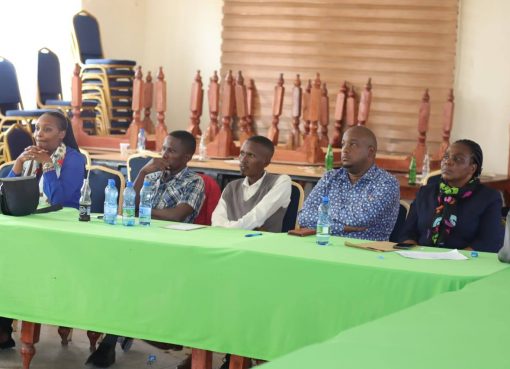
The meeting was attended by officers from Kenya Revenue Authority, Kenya Bureau of Standards, the Ethics and Anti-Corruption Commission, the Director of Public Prosecution, Judiciary, County Security, Alcoholic Board members, public health officers, and sub-county administrators.
In his New Year address, President Ruto declared alcohol and drug abuse a national emergency threatening public health, national security, productivity, and social cohesion. He noted that one in six Kenyans aged 15–65 uses at least one substance of abuse, with over 4.7 million people affected, often beginning in adolescence.
“This crisis demands decisive national action,” Ruto said, unveiling a government strategy emphasizing enforcement, prevention, and multi-agency cooperation.
The Rapid Response Initiative mandates that the committee implement the presidential directives within 95 days, focusing on law enforcement, prevention, awareness, and multi-agency coordination to tackle the vice.
By Wangari Mwangi and Samuel Maina