Physicians want the government to ensure that all public health facilities in the country, are well equipped and staffed for effective management of diabetes and other Non-Communicable Diseases (NCDs).
They asked the state to facilitate the provision of adequate equipment and supplies in all public health facilities, where enough medical support staff also needed to be deployed to attend to patients.
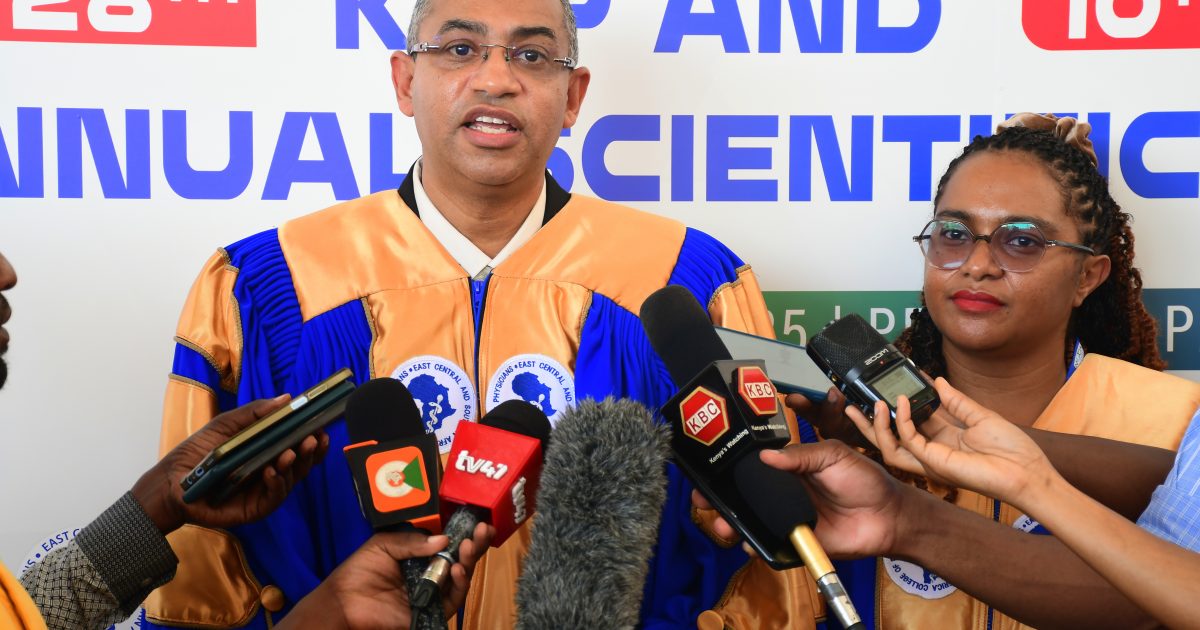
Speaking during the 10th Eastern, Central and Southern Africa College of Physicians (ECSACOP) and the 28th Kenya Association of Physicians (KAP) conference in Mombasa, Dr. Roselyn Ngugi, the Chairperson of the KAP Nairobi branch and President of the Kenya Diabetes Study Group, said recent research showed that most health facilities lack basic diagnostic tools such as blood pressure machines and blood sugar monitors.
“We are facing three key challenges. Many facilities do not have the equipment required for diagnosis, there are not enough trained doctors and nurses, and supplies of essential medicines remain insufficient,” said Dr. Ngugi.
She added that the findings emerged from a World Diabetes Foundation supported study conducted by a team led by Dr. Jemima Kamari in Eldoret.
To address the gaps, Dr. Ngugi emphasised the need to strengthen the training of primary health care physicians and community health promoters, who can detect early symptoms of diabetes and guide patients to seek treatment.
She also urged lifestyle interventions including regular physical activity, healthier diets, and better food labelling to reduce risk factors.
Dr. Ngugi further cautioned against the growing consumption of processed foods and excessive screen time among children, calling for policy measures to ensure schools provide adequate playgrounds.
She also noted the importance of clear labelling to inform consumers about sugar content and additives in food products.
On his part, KAP President Dr. Eric Njenga underscored the society’s mandate to empower healthcare practitioners across all levels.
He said the association is working with specialist groups, including the Kenya Cardiac Society, the Kenya Renal Association, and the Diabetes Management and Information Centre, to improve training and guidelines for doctors and nurses.
“Our goal is to ensure quality health care not only for Kenyans, but also for close to 200 million people across the region,” said Dr. Njenga, while urging government support for NCD programs.
He stressed the importance of early screening, healthy lifestyles and stronger policies on food labelling and regulation of harmful substances such as tobacco, alcohol and industrial fats.
The joint conference, attended by over 400 delegates, also featured the graduation of 15 physicians under the ECSACOP program, nine of whom are Kenyans.
Organizers said the program is helping bridge the patient-to-consultant gap by training doctors locally, while keeping them in service at county hospitals.
By Sitati Reagan