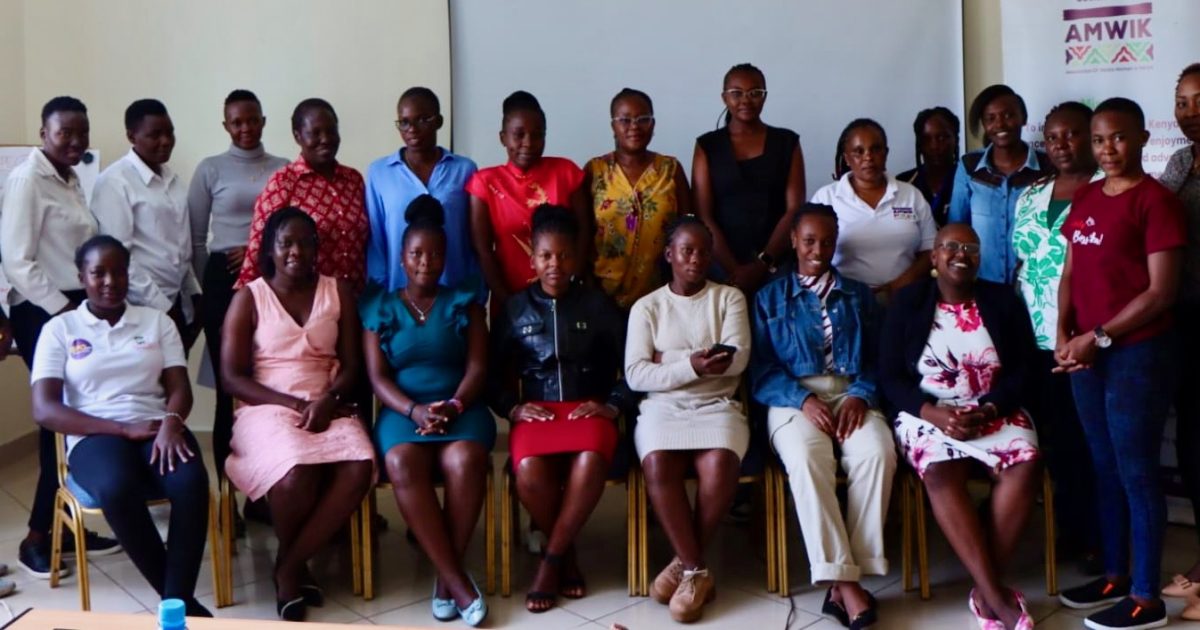
Efforts to expand opportunities for female journalists and address persistent gender disparities in newsrooms took centre stage in Kisumu during a forum that brought together media stakeholders, regulators, and practitioners.
Association of Media Women in Kenya (AMWIK) Executive Director Queenter Mbori called for a deliberate shift in how the industry nurtures and supports women, urging journalists to view professional associations as long-term partners in their careers rather than occasional conveners of events.
“Do not take a backseat. Audit your professional life and remember your role in amplifying the voices of women and children,” Mbori said.
She challenged young female journalists to build strong professional teams and networks that can walk with them across different stages of their careers, stressing that intergenerational conversations are critical in breaking systemic barriers that have historically locked women out of leadership spaces.
Despite women making up about 40 percent of Kenya’s journalism workforce, Mbori said they occupy only 13 to 20 percent of senior editorial and management positions. She added that this disparity reflects deep-rooted structural gaps requiring intentional mentorship, policy reform, and sustained advocacy.
To address the gap, AMWIK announced a membership drive targeting universities and colleges to nurture emerging journalists early and expand the association’s regional footprint.
“We want to grow our presence beyond Nairobi and ensure young journalists in the regions feel seen, supported, and prepared for leadership,” Mbori said.
On newsroom safety, AMWIK Impact and Communication Liaison Officer Dennis Mbau noted that the organisation has been mandated by the Kenya Media Sector Working Group to spearhead interventions aimed at eradicating sexual harassment in media houses.
“So far, we have developed anti-sexual harassment model policies, which 24 media houses have adopted,” Mbau said, adding that research indicates about 60 percent of respondents in the media sector have encountered various forms of harassment in newsrooms.
He also highlighted AMWIK’s men engagement programme, enlisting male journalists as champions of safe and accountable media spaces—a shift from reactive responses to preventive reforms.
Media Council of Kenya (MCK) representative Celine Abuga underscored the importance of partnerships in strengthening the profession. While accreditation remains the Council’s primary mandate, she said collaboration with professional associations is essential in shaping ethical, resilient, and inclusive newsrooms.
“As we accredit journalists, we must also work closely with stakeholders to support their growth and ensure standards are upheld across the country,” Abuga said. She called for expanded opportunities in the regions and urged journalists to join professional associations to enhance mentorship, networking, and collective advocacy.
Participant Josephine Wareta welcomed the decision to host the forum in Kisumu, saying such engagements ensure that opportunities extend beyond major urban centres.
Participants also urged media organisations to integrate mental health support and financial literacy into professional development programmes, noting that sustainable journalism must prioritise both career growth and personal wellbeing.
By Dorothy Pamella