Kiambu County has accelerated the rollout of solar-powered street lights under the second phase of the Angaza Kiambu programme, targeting the installation of 12,000 solar units across all 12 municipalities and 60 wards.
The initiative seeks to replace grid-connected streetlights with solar alternatives in a move aimed at reducing electricity costs, improving security, and promoting clean energy adoption.
Phase Two of the programme was launched on January 19, 2026, in Lari Municipality by Governor Dr. Kimani Wamatangi. The rollout covers wards including Kijabe, Nyanduma, Kamburu, and Lari/Kirenga, among other underserved areas.
County officials said the transition to solar energy was informed by high electricity and maintenance costs. Prior to the shift, the county spent approximately Sh700 million annually on electricity bills for about 20,000 grid-connected streetlights and 2,000 floodlights, all of which are earmarked for phased replacement.
So far, 12,000 solar street lights have been installed, with an additional 12,000 units planned in subsequent phases.
Unlike grid-connected systems, solar street lights operate independently, reducing the risk of network-wide outages and eliminating wiring and routine maintenance costs.
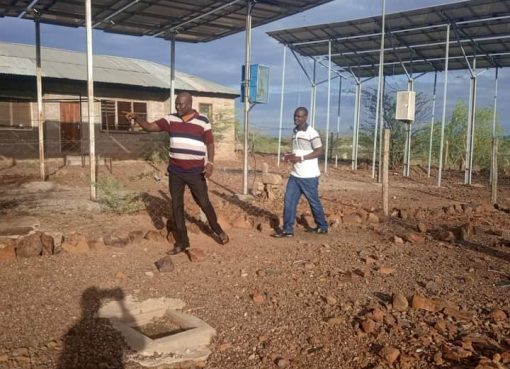
The county has also solarised 11 community boreholes, including Ondiri, Gathanje Secondary, Marengeta Community, Lari DCC, Gatuanabu, Gatuanyaga, Riu Nderi, Ondiri Twin, and two at Roromo. New county facilities such as Tigoni Hospital, Ngenda Hospital, Githurai-Langata Hospital, and Gatundu Level 5 Hospital have incorporated solar lighting systems.
Chief Officer for Public Utilities Virginia Kahonge said the project has enhanced public safety and extended business hours in several areas.
“We have seen farmers in Kamburu deliver produce to tea and milk collection centres more safely. In Komothai, cases of theft at coffee factories have significantly reduced due to improved lighting,” she said.
Residents echoed the sentiments.
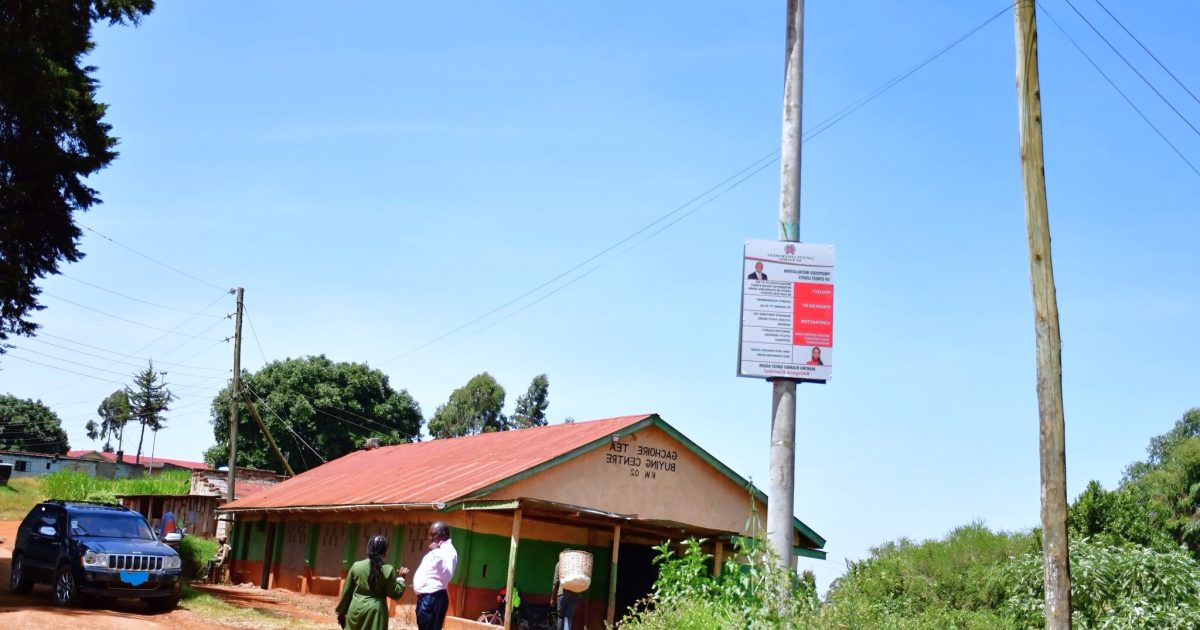
John Kamau, a tea farmer at Gachoire Tea Buying Centre in Nyanduma Ward, said improved lighting has enhanced security at the facility.
“For years we experienced losses due to theft because of poor lighting. Now we can deliver tea safely early in the morning or late in the evening,” he said.
Susan Muchiri, a food vendor in Kiambu town, said extended lighting hours have increased her earnings.
“The lights allow me to operate safely in the evening and attract more customers,” she said.
County officials noted that the programme aligns with Sustainable Development Goal 7 on affordable and clean energy and supports the county’s climate action and cost-efficiency targets.
The Angaza Kiambu initiative is expected to significantly lower operational expenditure while expanding access to reliable public lighting in both urban and rural areas.
By Kevin Karanja