Health stakeholders have called for a stronger integration of traditional healing knowledge with modern medicine to enhance community health outcomes and preserve indigenous natural heritage.
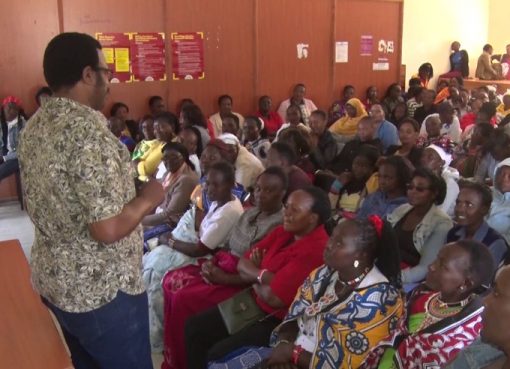
The appeal was made during a stakeholder forum held at Moi University Annex Campus in Uasin Gishu County sponsored by the County Government of Uasin Gishu in partnership with Moi University and the Mastercard Foundation.
The forum brought together traditional healers, researchers, educators and healthcare professionals to explore ways of integrating indigenous plant-based healing practices with evidence-based medical science.
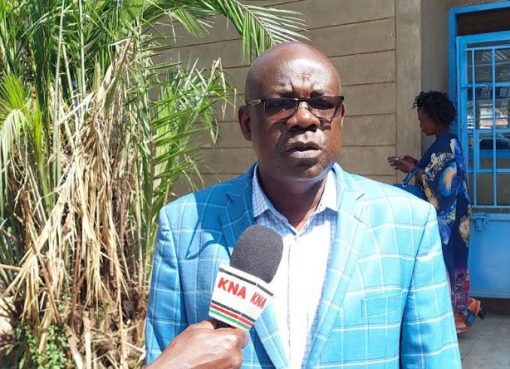
Speaking during the session, Uasin Gishu County Executive Committee Member for Health Services, Joseph Lagat, said the county was keen on creating an inclusive healthcare framework that recognizes and validates traditional medicine within formal health systems.
“This conversation is timely and crucial. It offers us a platform to blend traditional herbal knowledge with modern medical research, ultimately improving community health outcomes while protecting our natural heritage,” said Lagat.
Echoing his sentiments, Chief Officer for Promotive and Preventive Health, Dr. Paul Wangwe, underscored the urgency of conserving medicinal plant species, warning that deforestation and land degradation threaten the availability of critical herbal resources.
“As forest lands continue to shrink, it is important that we preserve medicinal plants within our farms and communities. If we fail to act now, future generations may lose access to the natural remedies that have sustained our people for centuries,” he noted.
Dr. Wangwe emphasized that traditional healing practices have long offered accessible and affordable remedies, particularly in rural areas where access to modern health facilities is limited.
Moi University Acting Vice-Chancellor, Prof. Sam Kotut reaffirmed the university’s commitment to research that bridges indigenous knowledge with modern innovation, lauding plans to establish a botanical garden that will conserve medicinal plant species while serving as a center for academic research and cultural preservation.
“The proposed botanical garden will not only conserve valuable indigenous plant species but also serve as a hub for research, innovation and cultural preservation,” said Prof. Kotut.
By integrating traditional healing knowledge with scientific innovation, stakeholders believe the county can strengthen preventive care, broaden treatment options and safeguard natural resources for future generations.
Participants also contributed medicinal plant seedlings toward the development of the botanical garden, envisioned as a ‘living’ laboratory for learning, conservation and innovation in natural medicine.
By Fredrick Maritim