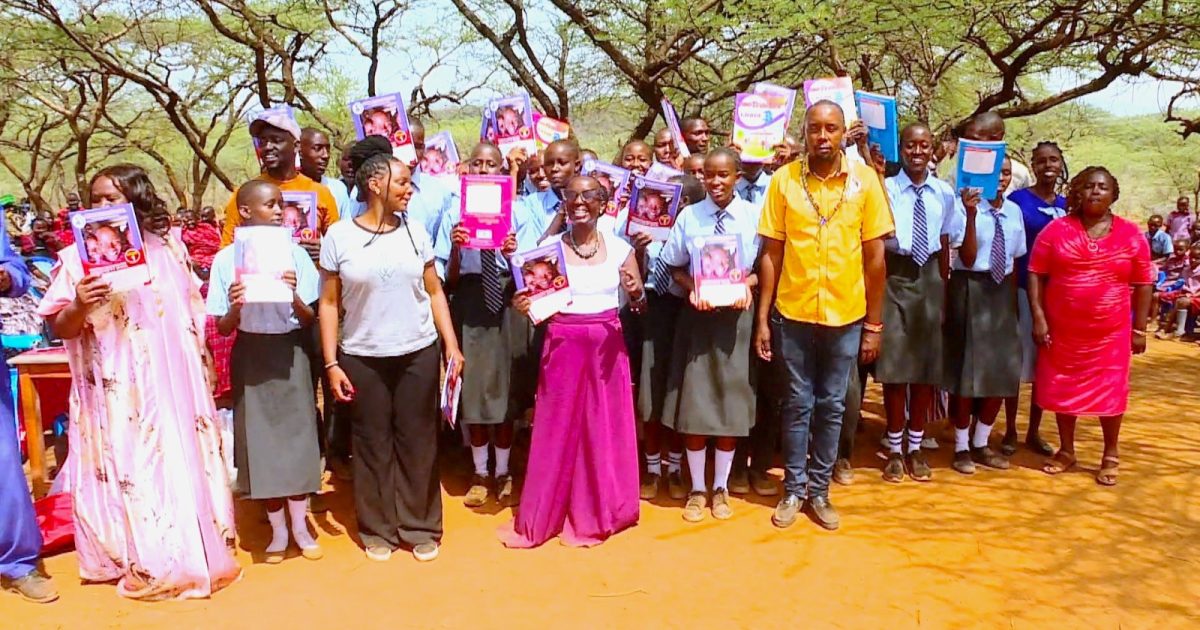
Residents of Kajiado County have been urged to abandon the practice of Female Genital Mutilation (FGM), with stakeholders warning that the harmful tradition continues to endanger the health, education and overall wellbeing of girls.
The appeal was made during an anti-FGM sensitization forum held at Impirishi Kajiado West, where youth leaders, elders and local administrators joined hands to denounce the practice and call for concerted community action to protect girls.
Speaking at the forum, youth leader Sarah Mutheu said the practice continues to rob girls of their future by subjecting them to teenage pregnancies and early marriages.
“FGM destroys the life of the girls. Once a girl is circumcised, she is immediately seen as a woman and is expected to drop out of school to get married, thus putting her dreams and future on hold,” said Mutheu.
She noted that beyond disrupting education, FGM exposes girls to serious health complications, including excessive bleeding, infections and childbirth-related complications later in life.
“Some of these girls suffer severe bleeding and infections immediately after the cut, while others face lifelong complications, especially during childbirth. The procedure is often carried out in unhygienic conditions without proper medical care, putting the lives of young girls at risk,” she said.
Mutheu further observed that the impact of FGM extends beyond physical harm, as many survivors endure emotional and psychological trauma that affects their self-esteem and overall wellbeing.
“The trauma does not end after the cut. Some girls live with fear, anxiety and shame for years. As a community, we must choose to protect their health, dignity and future,” she added
Echoing her sentiments, village elder Peter Tomanka described FGM as an outdated practice that should be abandoned.
“We must protect our daughters from this harmful tradition. It is time to embrace education and modern values that empower our children,” he said.
Tomanka pointed out that elders play a critical role in shaping community values and must lead by example in discouraging harmful customs. He noted that FGM has no cultural or medical benefit, but instead exposes girls to health risks, denies them education and subjects them to early marriages.
“Our responsibility as elders is to guide the community towards practices that safeguard the future of our girls. It is time to do away with customs that infringe on their rights. Our culture should uplift and not destroy their future,” he emphasized.
He further called on parents to support government and civil society initiatives aimed at eradicating FGM, saying collective action was the only way to protect girls from the harmful practice.
Local administrators present at the forum underscored the government’s commitment to ending FGM, urging residents to report cases to authorities. They emphasized that strict measures have been put in place to safeguard the rights of girls and ensure perpetrators face the law.
by Rop Janet