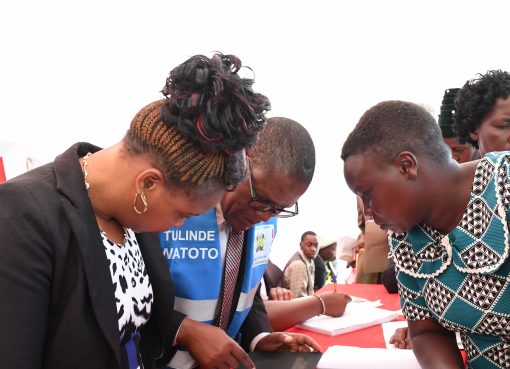
The State Department for Trade is actively collecting views from stakeholders to ensure their recommendations are incorporated into the proposed National Trade Development Bill, 2025.
The department has undertaken a public participation exercise in Nairobi City County to ensure that the draft bill reflects a broad range of perspectives, inclusive of members of the public, the business community, and other interested parties, prior to its presentation to Parliament.
This initiative is in accordance with the constitutional requirements on public participation, as provided under the Constitution of Kenya. The engagements, conducted nationwide, are designed to present the draft bill to the public, explain its intent, outline key provisions and impacts, and receive feedback and proposals from stakeholders to inform the bill’s finalisation before enactment.
Principal Secretary (PS) for Trade, Regina Ombam, noted that the Trade Development Bill, 2025, has been developed in recognition of trade’s central role in Kenya’s economic growth, job creation, and regional integration.
While trade remains a key driver of the Kenyan economy, PS Ombam observed that the sector continues to face challenges, including fragmented regulation between national and county governments, duplication of licences and fees, barriers to the movement of goods across counties, weak coordination in trade promotion, and limited support for Micro, Small, and Medium Enterprises (MSMEs), particularly women and youth traders.
In a keynote address delivered on her behalf by Robert Okoth, Deputy Director for Domestic Trade, Ombam stated that the overall objective of the bill is to provide a comprehensive legal framework for the development, facilitation, promotion, and regulation of both domestic and international trade.
“It aims to strengthen coordination of trade-related matters between national and county governments, enhance collaboration with the private sector and non-state actors, and position Kenya as a competitive trading nation regionally and globally,” she added.
The PS emphasised that emerging areas such as digital trade, e-commerce, and artificial intelligence are not adequately addressed under the existing legal framework.
“The Bill therefore seeks to modernise and harmonise trade governance in line with the Constitution and current economic realities,” Ombam clarified.
Further, the Bill provides for harmonisation of business licensing and permits to eliminate duplication and unnecessary regulatory burdens. It also restricts trade-related fees and charges that hinder the free movement of goods and services across county boundaries.
The PS highlighted the bill’s strong focus on inclusivity and capacity development, offering targeted support to MSMEs, women, youth, persons with disabilities, and other marginalised groups. Provisions also promote improved access to finance and trade credit, skills development, mentorship, and professional training to enhance competitiveness and participation in trade.
Recognising the fast-evolving nature of trade, PS Ombam explained that the Bill introduces provisions on the digital economy, e-commerce, and emerging technologies, including artificial intelligence, to promote innovation, improve efficiency, expand market access, and enable Kenyan businesses to compete effectively in digital and data-driven trade.
Additionally, the Bill strengthens international trade frameworks by enhancing export development, branding, and market access initiatives, improving coordination in implementing international trade agreements, and supporting the internationalisation of Kenyan businesses in regional and global markets.
“It will create a more predictable, fair, and competitive trade environment, boost exports, support businesses, and drive sustainable economic development,” added Ombam.
County governments are recognised as distinct and key partners in trade development under the proposed framework. The Bill supports the implementation of the National Trade Policy at the county level, encourages alignment of county trade policies with national priorities, and provides platforms for continuous consultation between county governments, the private sector, and the national government.
For effective implementation, the PS affirmed that the Bill establishes clear institutional and coordination structures, including the National Trade Council, as well as National and County Trade Technical and Consultative Committees.
“These structures are intended to improve policy coherence, strengthen intergovernmental relations, and ensure that trade development initiatives are well coordinated across all levels of government,” Ombam emphasised.
The participation of stakeholders in the forum is critical, as the expertise and diverse perspectives they bring are essential to ensure the initiative is effective and responsive to the needs of all citizens.
“I therefore wish to invite all of you to freely share your views on whether the Bill adequately addresses clarity of roles between national and county governments, the proposed licensing and regulatory framework, the extent to which the Bill promotes inclusivity, fairness and ease of doing business, and the challenges faced by traders and businesses,” urged the PS.
Ombam assured stakeholders that their views and submissions will be carefully considered in finalising the bill before enactment.
By Michael Omondi