Stakeholders in Kenya’s pension industry have called for deeper reforms to expand retirement savings coverage, strengthen compliance in remittances, and build public trust in the country’s pension systems.
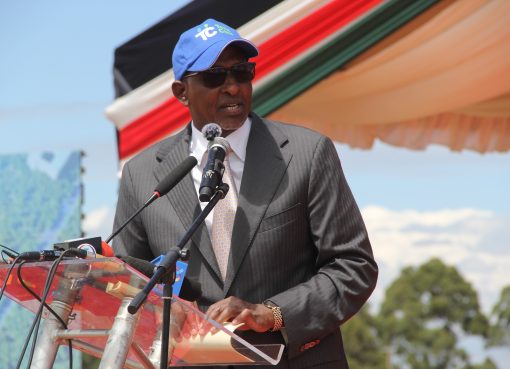
Speaking during the Zamara 2025 Pension Convention held in Mombasa under the theme “Disrupting for Impact: Transform, Integrate and Sustain”, the Chairperson of the Departmental Committee on Finance and National Planning in the National Assembly, Kimani Kuria, said parliament has enacted key legislative changes to strengthen retirement savings.
Kuria, who is also the Molo MP, noted that the Tax Amendment Act of 2024 and the Finance Act of 2025 have introduced new tax incentives to encourage saving for retirement.
However, he expressed concern that while formal sector employees benefit from structured pension systems, about 80 per cent of Kenyans in the informal sector remain excluded from retirement savings plans.

“The pension industry must design products that fit informal workers such as boda boda riders, market traders, and digital content creators,” said Kuria.
“We also need to build trust by ensuring retirees receive their dues promptly, because delayed payments discourage others from saving,” he said.
The Chairman highlighted the progress achieved through the Public Service Superannuation Scheme (PSSS), introduced in 2022, which requires both government and employees to contribute to the pension fund.
The reform, he said, ensures that pension liabilities are budgeted for annually, helping to eliminate the long delays that retirees previously faced.
According to Kuria, automation and digitisation have further improved pension administration, easing the transition from payroll to pension systems and minimising documentation challenges.
He said the reforms should enable retirees to receive their first payment within a month of retirement.
Kuria observed that only 20 per cent of Kenyans currently contribute to a pension scheme, urging both government and private sector players to develop inclusive products and restore public confidence by ensuring timely payments to retirees.
To curb delays in pension remittances, Kuria revealed that amendments to the Public Finance Management Act now make it a criminal offence for accounting officers who fail to remit employee deductions.
He said the move promotes accountability and protects workers’ savings.
On his part, Zamara Group Executive Director James Olubayi said the annual convention aims to foster collaboration, innovation, and systemic transformation in Kenya’s retirement ecosystem.
“The three-day forum brings together financial experts, regulators, and policymakers to explore how technology, data, and governance reforms can improve pension outcomes and sustain livelihoods for generations,” said Olubayi.
Retirement Benefits Authority (RBA) Chief Executive Officer Charles Machira described non-remittance of contributions by employers as the biggest challenge facing the pension industry.
He disclosed that as of September, about Sh65 billion in pension contributions had not been remitted, mainly by public institutions, county governments, universities, and hospitals.
“We have proposed amendments to empower the Kenya Revenue Authority to freeze accounts of entities that fail to remit pension contributions,” he said, adding, “Employers who withhold workers’ deductions must be held personally responsible.”
Machira added that the RBA is intensifying public education to promote voluntary savings and reduce dependency in old age.
He emphasised that expanding pension coverage among informal workers is key to achieving financial security and reducing the burden on families and the government.
By Sitati Reagan and Hassan Bahati