Nyeri residents have urged the government to come up with a mechanism of feeding wildlife as a way of curbing human-wildlife conflict resulting from invasion of wild animals into agricultural farms in search of pasture.
The residents who included farmers who border the Aberdare National Park, Solio Ranch and Hombe forest, have argued that while little effort is being spared in rehabilitating degraded forests, similar effort should be made to ensure that the wildlife do not leave their protected area in search of food.
They now want the Ministry of Wildlife and Tourism and the Kenya Wildlife Service to consider planting food in the forests and national parks as a way of ensuring that the wildlife is contained in their restricted areas.
“Everyone is currently working hard to plant trees in the forests but I have yet to come across any initiative calling on Kenyans to plant fruit trees or any food in our forests or game reserves for the sake of our wildlife.
This is something that should be urgently considered because when these animals invade our homes or farms, they do so in search of food, so we must start to think of ways of giving them food if we want to reduce incidents of human-wildlife conflict,” said Moses Ndegwa a resident of Ruring’u.
To further control the increasing cases of invasions by birds and monkeys in their farms, the residents have also challenged the Ministry of Wildlife to consider classifying monkey meat as bush meat. They argued that since the government doesn’t compensate farmers for damages caused when monkeys destroy their crops, farmers should be allowed to trap and eat monkeys after seeking approval from county veterinary doctors.
Additionally, they asked stakeholders in the wildlife sector to also introduce a breeding control mechanism to moderate the ballooning number of monkeys in the country.
“Many farmers now view monkeys and some birds such as the guinea fowl as our enemy because of the trail destruction they leave behind when they invade our farms. Perhaps the government through the relevant wildlife agencies could introduce a breeding mechanism for wildlife to control their numbers,” stated Mwende Ndote, a farmer from Kiganjo.
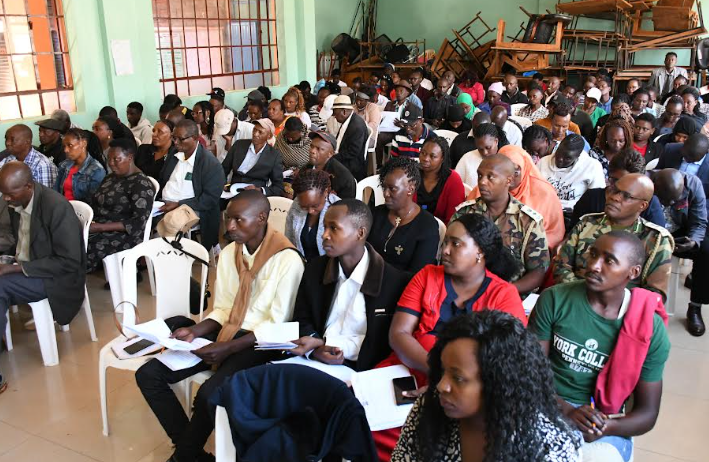
The residents spoke during a public participation session on the Wildlife Conservation and Management Bill of 2025at the Nyeri Town Constituency Development Fund Hall in Ruring’u.
According to the Head of Legal Affairs at the State Department for Wildlife, Paul Ojwang, the Bill seeks to address 15 key areas among them management of human-wildlife conflict cases and benefit sharing mechanism between the two levels of government and the communities residing near national parks.
Ojwang also said that the State Department is also hoping to introduce reforms which will modernize the governance of the wildlife industry by incorporating emerging trends into the proposed law.
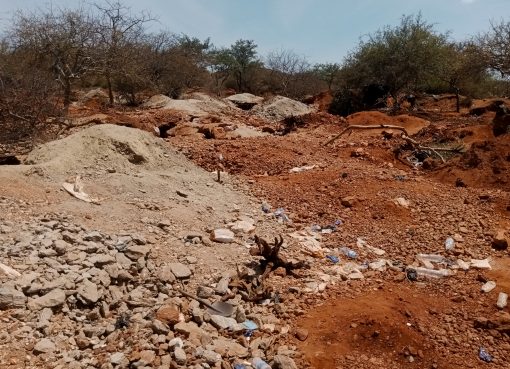
Other proposals that the residents would like incorporated in the proposed Bill include establishment of a special compensation scheme for wildlife rehabilitators who care for abandoned or injured wildlife. They also want the government to compel individuals who undertake mining or quarrying activities in National Parks or Game Reserves to be compelled to restore and rehabilitate the protected areas.
By Wangari Mwangi and Brian Mwangi