Tindiret Sub- County is on a steady journey to uplift her education sector.
Though progress has been made in expanding access to education, the region still contends with persistent challenges that affect the quality of learning.
According to the area Sub-County Education Officer (SCEO), Daniel Kiptoo, the focus is now shifting towards not just getting children into classrooms, but ensuring they receive a all-round education.
Currently, Tindiret has 65 public primary schools and 18 secondary schools, supported by a few private institutions.
Mr. Kiptoo notes that enrolment has improved significantly over the years, largely due to increased awareness among parents and national policies like the Free Primary Education program.
More families are embracing the importance of education, and encouragingly, more girls are staying in school compared to previous years.
Despite these gains, the sub-county faces notable obstacles. Infrastructure remains a major concern, with many schools lacking enough classrooms, toilets, and basic learning facilities.
“We have schools where learners are still studying under trees or in overcrowded makeshift classrooms,” said Mr. Kiptoo.
In many secondary schools, science laboratories are either incomplete or nonexistent, affecting the delivery of practical lessons.
A shortage of teachers continues to strain the system. Overburdened educators often have to handle large classes, making it difficult to give learners the attention they need. This is especially problematic in early grade levels, where strong foundational skills are critical for future success.
Low transition rates from primary to secondary school also pose a challenge.
While enrolment in early education is relatively high, many students do not proceed to secondary school due to poverty, early pregnancies, child labour, and the long distances between home and school.
“Some students trek for more than 10 kilometres to school, and that alone discourages many from continuing,” he explained.
Academic performance in national examinations remains below the county and national averages.
The SCEO attributes this to poor learning environments, lack of adequate teaching materials, and minimal parental involvement, particularly in rural areas.
He also pointed to the limited access to digital resources, with most schools lacking computers and internet connectivity — a significant disadvantage in today’s digital world.
Nonetheless, there is growing optimism about the future.
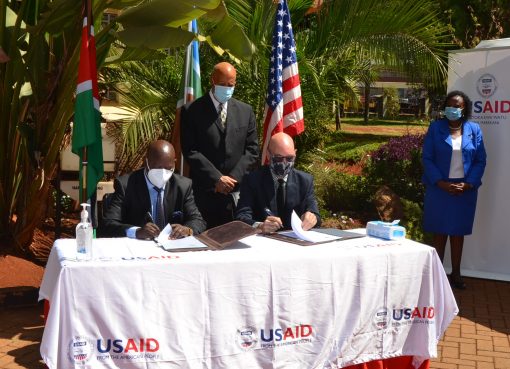
The Ministry of Education, in collaboration with county leadership and development partners, is working on several initiatives aimed at improving education outcomes.
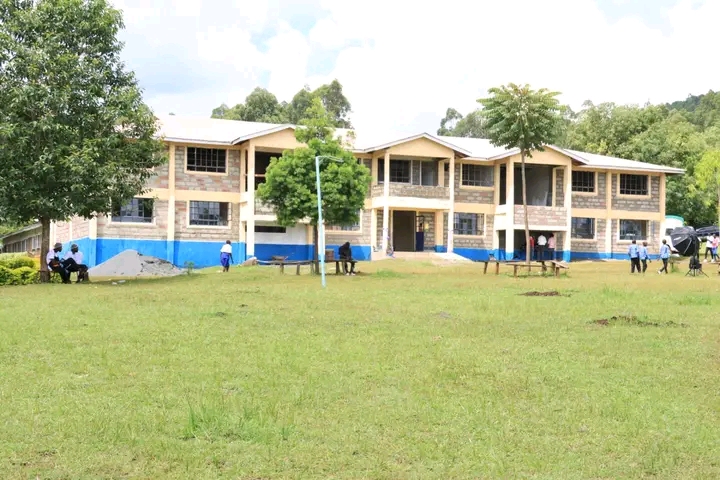
These include the construction of new classrooms, hiring additional teachers, providing bursaries for needy students, and establishing more day secondary schools to reduce dropout rates.
“We are already seeing change,” he said. “More children are staying in school, and communities are becoming more involved in education matters.”
Efforts are also underway to strengthen school governance through training for Boards of Management and encouraging more active parental participation in school activities.
According to Mr. Kiptoo, community involvement will be key in sustaining progress and ensuring that education becomes a shared responsibility.
The Sub- County has since made commendable progress in broadening access to education, but quality and equity remain areas in need of urgent attention.
With ongoing investments, strategic partnerships, and committed leadership, the dream of providing quality education for every child in the sub-county is still within reach.
As Kiptoo puts it, “We are not where we want to be yet, but we are headed there — and with the right support, we will get there.”
By Sammy Mwibanda