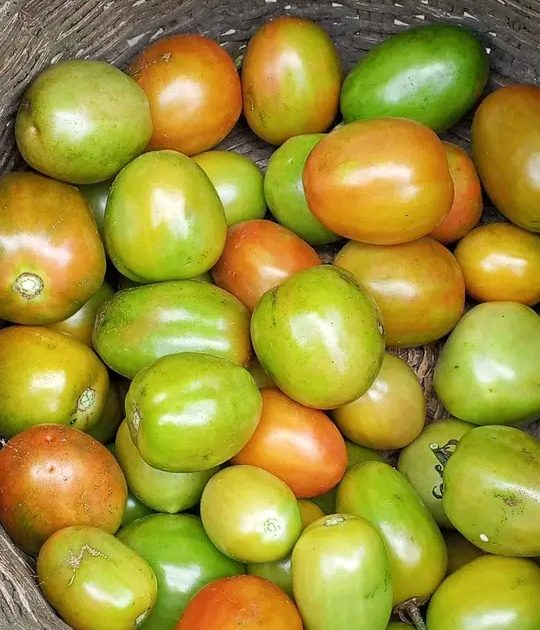
Once a modest crop, tomatoes have now taken centre stage in the Tindiret’s farming landscape, offering an innovative solution to both food security and income generation for farmers.
With improved farming techniques, a vibrant market for fresh produce, and an increasing demand for processed tomato products, the crop has become a preferable enterprise in the area.
Tomato farming in Tindiret has experienced a remarkable transformation in recent years, a shift largely attributed to the strategic efforts of local agricultural officers, farmers, and market players.
According to the Sub-County Agricultural Officer (SCAO) Ruth Chepkorir, tomato cultivation has surged due to various factors, including the adoption of modern farming practices and the favourable climatic conditions in the region.
“We have seen a growing interest in tomato farming, particularly as farmers shift from subsistence to commercial agriculture. The region’s climate is ideal for tomatoes, and with the right techniques, yields can be substantial,” Chepkorir noted.
Farmers in Tindiret have embraced innovations like drip irrigation, greenhouses, and certified tomato seeds, significantly improving both the quantity and quality of their harvests.
This shift has not only boosted the livelihoods of individual farmers but also contributed to local food security. One such farmer, Sarah Chelangat, who has been in the business for over five years, shared her success story.
“I started with just half an acre of land, but now I farm three acres. Tomatoes have been a game-changer for me. The consistent demand for fresh tomatoes and the availability of buyers in local markets have ensured steady income,” Chelangat explained.
The market dynamics surrounding tomato farming in Tindiret have also evolved to favour both producers and consumers. Tomatoes from the sub-county are sold in regional markets, including the towns of Kapsabet and Eldoret, and even make their way to Nairobi.
The availability of cold storage facilities has allowed farmers to extend the shelf life of their produce, reducing post-harvest losses and stabilizing prices.
However, as demand has grown, so have the challenges. The region’s farmers face stiff competition from other tomato-growing areas and the seasonal fluctuations that come with supply-demand imbalances.
Despite these challenges, the future looks promising for Tindiret’s tomato industry. The increasing demand for processed tomato products, such as sauces and pastes, has further expanded the market.
As Chepkorir puts it, “We are working to ensure that farmers not only grow tomatoes but also benefit from the full value chain, from production to processing and distribution. By supporting smallholder farmers and encouraging value addition, we can make tomato farming a key driver of economic growth in Tindiret”.
Tomato farming in the Sub-County is proving to be a fertile ground for both agricultural development and economic transformation.
By Sammy Mwibanda