The County Government of Turkana has expressed interest in a proposed partnership with the World Food Programme to put 50,000 hectares of land under fodder production. The initiative targets an annual output of 300,000 metric tonnes for both local use and export.
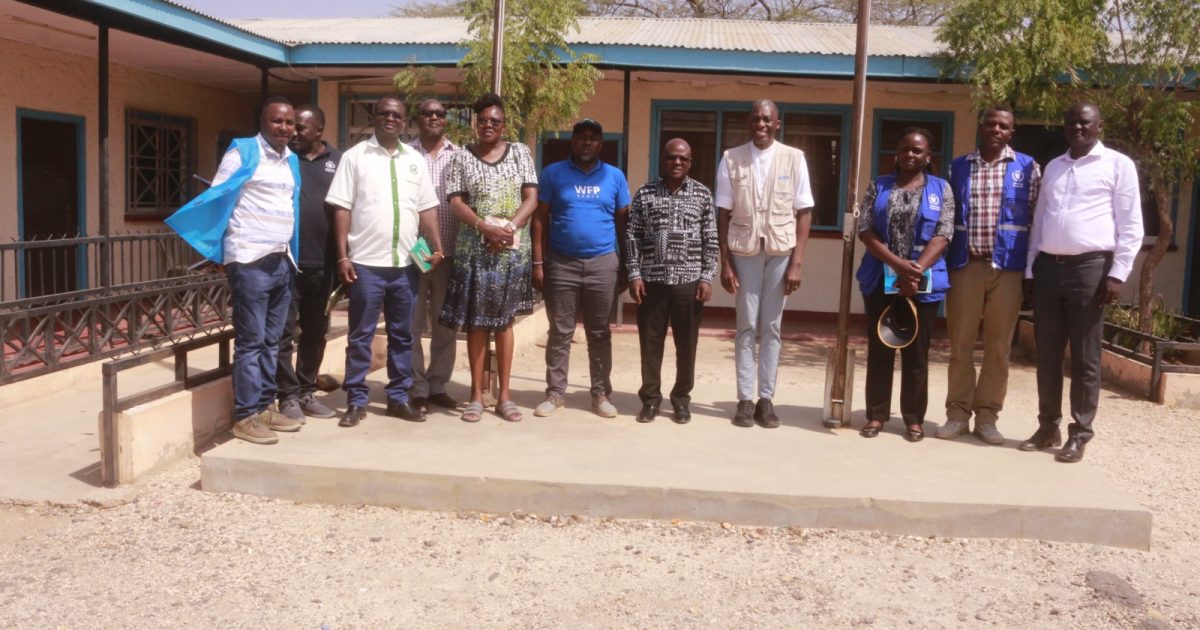
The proposal was discussed during a meeting where Deputy Governor Dr. John Erus hosted a WFP delegation led by Deputy Country Director Bai Mankay Sankoh. In this meeting, it was revealed that an investor had expressed readiness to commit up to USD 100 million to the project through a Public-Private Partnership model.
The project is aimed at enhancing the resilience of pastoral communities by leveraging Turkana’s livestock and rangeland resources.
“Food security remains a priority for the county. Through fodder production of such magnitude, Turkana can tap into the livestock and pasture value chain to achieve this goal,” said Dr. Erus.
The Deputy Governor lauded the proposal’s inclusion of a knowledge transfer component to strengthen local universities and urged that vocational training centres should also be integrated into the proposed capacity-building framework.
“The Governor has consistently encouraged partners to invest in the livestock sector and pastoral economy, given the county’s huge livestock population. This initiative aligns with that vision. It seeks not to replace pastoralists, but to strengthen and include them in the resulting economic opportunities,” he added.
On his part, Sankoh noted that the proposal complements WFP’s ongoing efforts in ecosystem restoration and food systems resilience, particularly amid the growing challenges posed by climate change.
He observed that both domestic and international markets face a notable fodder supply deficit, which continues to disrupt key value chains such as meat production and the leather industry.
Discussions also touched on the identification of fodder varieties suited for local and export markets, integration of rangeland management committees and organizations, development of water supply systems, sustainability design, and the assessment of potential socio-economic impacts on local communities.
By Peter Gitonga