Determined women farmers in Kapsowar ward, Elgeyo Marakwet county are transforming small farms into thriving vegetable enterprises.
With limited land but abundant resilience, women farmers across the ward are increasingly shifting from traditional subsistence crops to high-value horticulture, carving out a critical role in food security and economic stability.
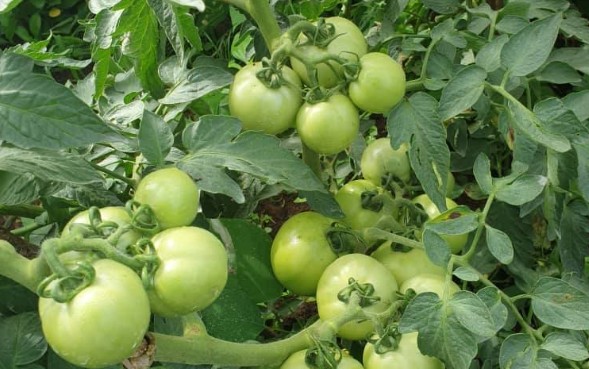
Over the past few years, vegetable farming, especially the cultivation of tomatoes, spinach, cabbage, and French beans, has gained popularity among women’s groups and individual farmers in the area.
This shift has been fuelled by changing market demands, unpredictable weather patterns, and the rising cost of living.
“Initially, we only grew maize and beans just to feed our families,” says Mary Kiplagat, a farmer from Kapchesewes.
“But now with vegetables that I sell to traders in Kapsowar town and Iten every week, I can comfortably pay school fees and buy what we don’t grow,” she says.
Mary is among the beneficiaries of training programmes that emphasise market-driven farming.
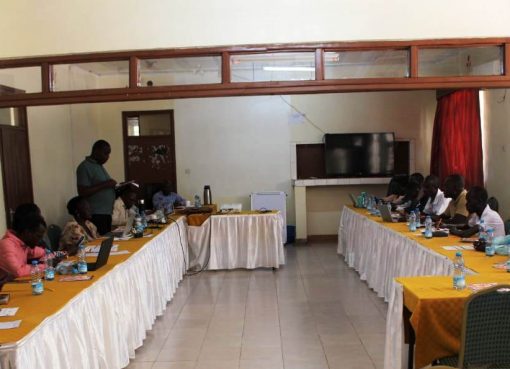
Through support from NGOs like Farm Africa, women are learning modern farming practices, ranging from seed selection and pest management to irrigation techniques and financial literacy.
Consequently, farmer groups have also become vital networks for women across villages such as Kapchesewes, Sinon, and Ng’orng’oroi.
These groups share knowledge, pool resources and negotiate for better prices with buyers, thereby minimising the exploitation often faced by individual sellers.
Safina Kipchumba, a farmer and community facilitator in Ng’orng’oroi, says over 10 women-led groups are now engaging in integrated farming.
“We combine vegetable farming with poultry and sheep,” Kipchumba explains, adding that animal manure boosts the soils, while group selling helps them get better deals in the market.
Additionally, 4K school clubs at institutions like Moi Girls High School, Kapsowar, are cultivating a new generation of agriculture-savvy girls.
These clubs teach young learners how to grow vegetables and raise tree nurseries, instilling knowledge, responsibility, and environmental consciousness early in life.
However, despite the progress, women farmers continue to face significant hurdles, particularly in terms of land ownership and access to water. In many cases, women cultivate land that they do not own, limiting their ability to invest long-term or access credit.
“We have the knowledge and energy, but most of us do not own the land we farm,” says Rose Komen from Sinon.
“If we had title deeds, we would expand and even try greenhouse farming,” she said, adding that climate change also poses growing threats.
Erratic rainfall and prolonged dry spells have also made vegetable farming more challenging. Some groups are experimenting with water harvesting and drip irrigation, but such technologies remain out of reach for many.
The success of women in vegetable farming is a testament to the potential of gender-inclusive agricultural development.
Experts and local leaders are now calling for increased investment in women-focused extension services and agribusiness training, as well as land reforms to enable secure land ownership for women.
They also want affordable irrigation solutions to mitigate climate shocks and better market linkages and aggregation centers to reduce losses.
Meanwhile, with continued support and stronger policies, women can scale up their efforts beyond household survival to become major contributors to the region’s economy and food systems.
By Rennish Okong’o