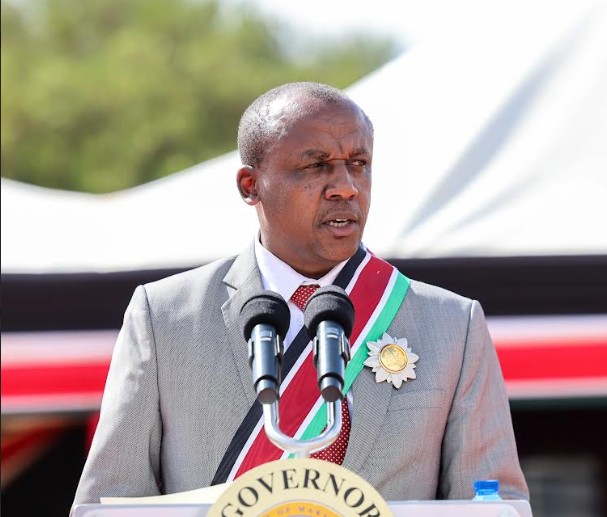
The World Bank (WB), through the Kenya Watershed Services Improvement Programme (KEWASIP), will spend 150 million to restore degraded Ecosystems in Makueni County, Governor Mutula Kilonzo Jr has announced.
Mutula said the degraded areas to be restored include watersheds, revived ecosystem health, improved water security and boosted resilience to climate change.
“KEWASIP alongside our county’s own water governance and infrastructure reforms, will strengthen our capacity to manage water sustainably,” said Mutula, after reading his speech during Jamhuri Day celebrations held at Kikima Comprehensive School, Friday.
He called upon every resident, leader, farmer, youth and woman to supplement the government’s efforts and restore landscapes, steward forests and catchment areas and make Makueni a model of sustainable, climate-resilient development for generations to come.
“As we celebrate our nationhood today, let us also renew our resolve: to protect our Landscapes, conserve our water and build a Makueni where no child goes thirsty, where farms flourish and where nature and people thrive in harmony,” he added.
In another development, the Governor disclosed that Makueni County has been allocated Sh 130 million under the Kenya Water Sanitation and Hygiene Programme (K-WASH), aimed at improving access to clean water and sanitation.
“This achievement has come after the County developed a County Water and Sanitation Strategy and Investment Plan. “Kibwezi-Makindu Water Company has also qualified for an additional Sh 37 million for Financial Reporting Excellency and received an Unqualified Audit Opinion,” said Mutula.
“These resources will be invested in enhancing water and sanitation services, including getting more villages declared open defecation free for sustainable community sanitation. We are not relenting until we address water governance issues in the water sector,” posed the Governor.
Mutula said that his Administration has completed the Sh 68 million Athi-Kilema-Tunguni Water project, which is now operational, serving 42,500 households in Kikumbulyu North, Makindu and Nguumo wards.
By Patrick Nyakundi