The Cabinet Secretary for EAC, ASALs & Regional Development, Beatrice Askul, has warned the pastoralist communities that they risk underdevelopment if they continue with cattle rustling, intercommunity clashes and border conflicts, and banditry.
Askul, who was speaking in Garbatulla, Isiolo County where she closed a 4-day peace caravan along the Modogashe–Garbatulla road, regretted that while other regions use money for development projects, the government was using money for development in security operations in the nomadic counties.
“The money we are using in operations to disarm those with illegal guns, the vehicles we are procuring for the security agencies and the fuel we are providing for them to stop cattle rustling in these regions is the same money that other regions are using for development, to do water projects, construct roads, hospitals and schools” Askul said.
“It is high time we come together and see what is it that we want because; we have had these conflicts for a very long time. Maybe it is high time that we encourage inter-community marriage so that when you go to steal livestock, you steal the livestock for your in-laws. When you decide to kill people in attacks, you start fearing that you might kill your relatives,” she added.
The CS underscored that peace is central to drought response and sustainable development in arid and semi-arid lands and called on all parties to come together and find lasting solutions especially during the drought period that is prone to conflicts over water and pasture.
“Peace is not the absence of conflict. It is the presence of dialogue, cooperation and shared responsibility. In our ASALs, peace is what allows development to take root and livelihoods to survive drought,” she said.
Her sentiments were echoed by the ASAL and Regional Development Principal Secretary, Hersama Kello who said that it was shameful that the conflicts had gone on for too long, denying development to the affected regions.
Kello said that while everyone had a right for development, engaging in criminal activities was denying themselves the much-needed development.
“We must now end these conflicts and cattle rustling which have been experienced by her for decades. I went to high school here in Garbatulla around 1988, and in those days, at night we could still hear gunshots, which forced some students to hide under the beds. Shifta used to attack us on our way home during school breaks. I have grown old and we are still talking about these conflicts,” Kello said.
“When we are here fighting and denying our children the opportunity to go to school, children in other counties are going to school. When we are here fighting, businesses in other regions are booming; when we are here doing livestock theft, others are doing stock exchange. This is very shameful of us,” he added.
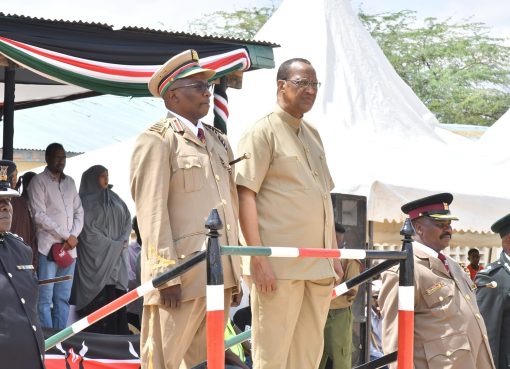
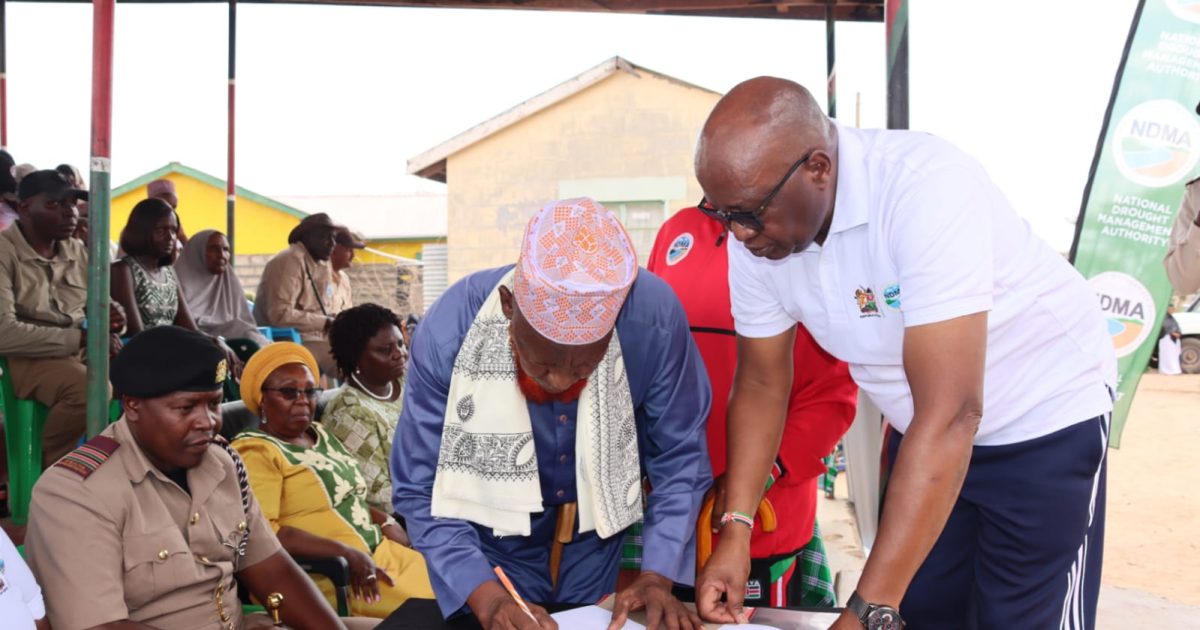
The event brought together community elders, women and youth leaders, peace and grazing committees, county and national government representatives, and civil society organisations to strengthen dialogue and prevent drought-related conflict along the shared Garissa-Isiolo-Meru corridor.
Community representatives from Isiolo, Garissa and Meru counties presented a joint communiqué, reaffirming their commitment to peaceful coexistence, respect for traditional grazing patterns and negotiated migration routes, peaceful sharing of public facilities across county borders, and coordinated recovery and restitution of stolen livestock.
The communiqué also emphasised the importance of community-led early warning, accurate incident reporting, and close cooperation with government authorities to address insecurity and prevent escalation.
The Garissa-Isiolo-Meru corridor remains a critical livestock movement route and drought fallback area but also a landscape historically prone to tension during prolonged dry periods. Speakers noted that sustained dialogue, early engagement, and locally rooted agreements have proven effective in preventing escalation and preserving social cohesion along the corridor.
By Erick Kyalo