Technical Vocational Education and Training (TVET) students have expressed their displeasure at the limited amount of time they were given to express their views on the Variable Scholarship Loan Funding Model.
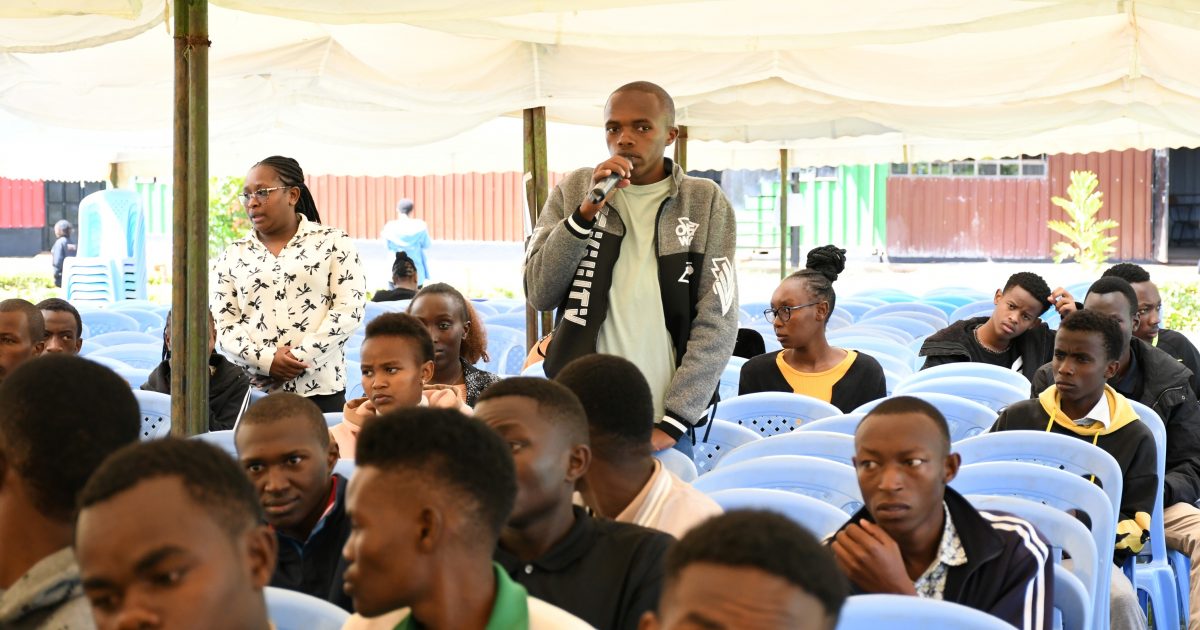
The students, who spoke at the Nyeri National Polytechnic during a public participation session on the loans and scholarship appeals mechanism of the new university funding model, questioned the organizers for allocating them a few hours to give their opinion on a model they said would play a crucial role in funding their education.
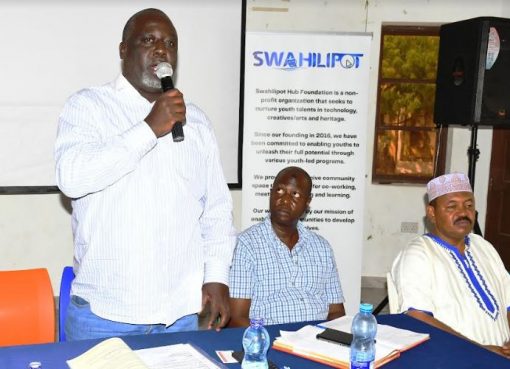
The session had been organized by the Higher Education Loans Board (HELB) and the University Fund to collect views from the general public, stakeholders including parents and the students on the model’s loans and scholarship appeals mechanism as directed by the appellate court on March 26.
Both HELB and University Fund had given the stakeholders until 5pm today (Friday) to submit their comments regarding the model through slappeals@helb.co.ke or appeals@ufb.go.ke but the TVET students from Nyandarua, Nyeri, Murang’a and Laikipia counties could not hide their dissatisfaction at the decision of the two institutions to select one aspect of the model without giving consideration for other areas of contention within the new funding plan.
“You are only seeking our opinion on the appeal mechanism. The question is, do you only want us to appeal or do you want to listen to our views on the whole model? posed Brian Gitonga, a student from Mathenge Technical Training Institute in Murang’a County.
“The deadline is today at 5pm; you should have come at an earlier date and enlightened us on the model first so that we can give our opinion on its suitability,” he added.
Nonetheless, the students have appealed to the Higher Education Loans Board and the University Fund to create a mechanism that would allow them to establish the amount of loan awarded by the government.
According to Risper Mwende, a student at the Nyeri National Polytechnic, many loan applicants have no way of finding out if they have qualified for the loans or their placement in the five bands proposed under the new model.
Her sentiments were echoed by John Kerogo, a student leader from the Nyandarua National Polytechnic, who said that it was unfair for HELB and University Fund to refer the beneficiaries to their respective school registrars to find out their band placement.
He instead proposed that the information be published to the student’s personal portal to allow them make appeals for additional funding in good time.
“I would recommend that the administrators of the funding model come up with a system where the beneficiary of the loan receives a confirmation on their personal portal. If the administration knows my band, there is no harm in letting me know in my personal portal so that I can take the next course of action,” said Kerogo.
On the other hand, the students have also urged the government to harmonize the upkeep awarded to TVET students with the amount awarded to their counterparts undertaking degree courses.
“When you look around the polytechnics, we get less accommodation money compared to the students in universities. But if you look at our basic needs and demands, they are all the same. To end this discrimination, I would propose that the accommodation be harmonized,” stated John Kelly.
Last month, a three-judge bench comprising Justices Patrick Kiage, Weldon Korir and Prof Joel Ngugi ruled that the Attorney General, HELB and the Trustee of the Universities Fund publicize to all students and stakeholders an appeals mechanism to be used by students aggrieved by the funding decisions or categorization.
The judges also directed that both students and stakeholders be informed that the model might be affected by the final outcome of the case challenging its implementation. The appellate court also gave the three institutions 14 days to publicize the new funding model.
Speaking at the forum, HELB Deputy Director for Operations King’ori Ndegwa said that besides Nyeri, the process was being undertaken in 11 other regions. He said that the two institutions would be collating the views and submitting their findings as directed by the Court of Appeal.
By Wangari Mwangi and Mary Wamutwa