Delayed diagnosis and frequent misdiagnosis have been cited as major contributors to the rising number of endometriosis cases among women in the country. Health experts also attribute the increase to a shortage of specialised healthcare providers and low awareness, particularly in rural areas.
According to medical professionals, endometriosis is often misdiagnosed, with studies indicating that nearly 50 per cent of suspected cases are incorrectly identified before a final diagnosis is made—often only confirmed through surgery.
Speaking during the Healing Mama Africa Boot Camp conference on endometriosis held at Mt Kenya ACK Hospital in Kirinyaga, endometriosis specialist Dr. Joe Njagi said many women continue to suffer due to delayed and incorrect diagnoses.
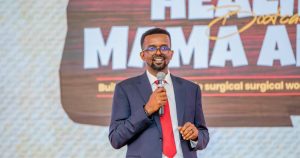
Dr Njagi noted that misconceptions and bias within healthcare systems often lead to women’s pain being dismissed as normal menstrual discomfort, resulting in delays in seeking medical attention and receiving proper treatment.
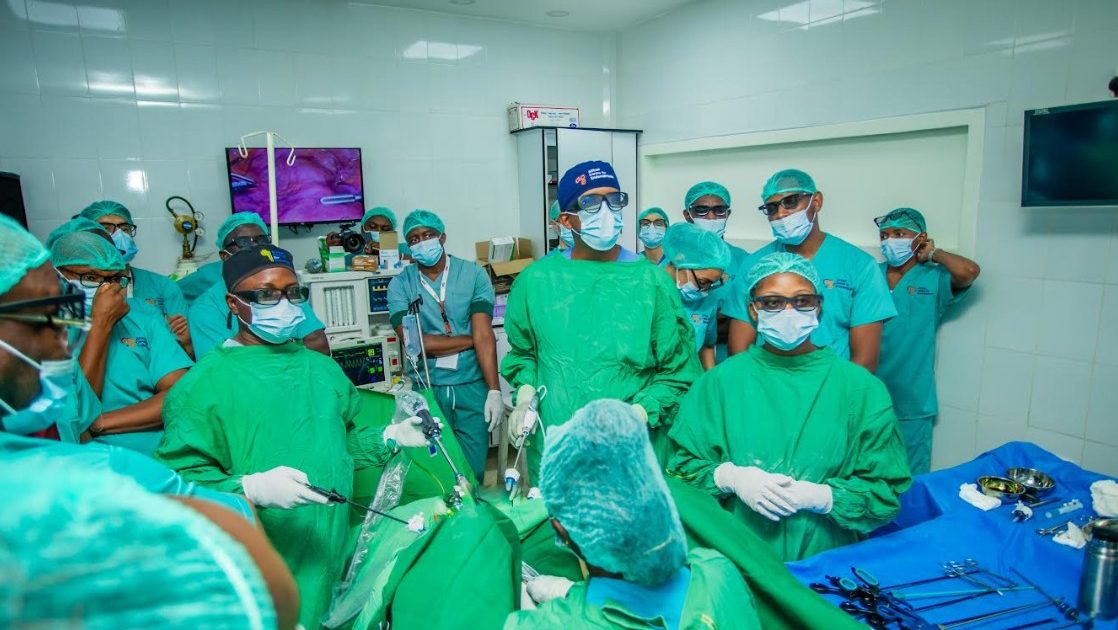
During the conference, he revealed that over 100 free ultrasound scans and more than 20 endometriosis surgeries would be conducted within the week. These complex surgical procedures are expected not only to benefit patients but also to raise awareness about the condition.
“We need to create more awareness, train more specialists, and be intentional about improving care for endometriosis and oncology. We have patients coming from across Kenya and even abroad who will benefit from this initiative,” said Dr. Njagi.
He added that globally, one in ten women is affected by endometriosis, although there is limited data available for Africa. He further highlighted that diagnosis can take between 8 to 10 years based on data from Western countries.
One of the main challenges, he explained, is access to both diagnosis and treatment. Endometriosis treatment—especially surgical intervention—is complex and requires a multidisciplinary approach. Patients may present with involvement of different organs such as the bowel or bladder, necessitating collaboration among specialists.
“There are still very limited facilities offering comprehensive care for endometriosis. That’s why initiatives like Healing Mama Africa are important, as they bring international experts to rural areas where the need is greatest,” he said.
Dr. Njagi also emphasised the need for more trained personnel capable of accurately interpreting imaging such as MRI scans and conducting ultrasound examinations, noting that effective treatment begins with timely and accurate diagnosis.
Yamal Patel, another endometriosis specialist, said the inaugural boot camp brought together international experts and delegates from across Africa and Kenya. Over the course of the week, they will provide treatment for women suffering from endometriosis and related oncological conditions.
“We aim to help these women regain a life free from constant pain. Pain is not normal, and we are here to ensure it is no longer ignored. Endometriosis significantly affects quality of life, fertility, and mental and psychosocial well-being,” Patel said.
Jackline Njeri, an endometriosis survivor, shared her personal experience, emphasising that painful menstruation should not be considered normal.
She recounted her struggle with misdiagnosis, which delayed proper treatment for years.
“My symptoms began in 2017. I was misdiagnosed and even treated for tuberculosis to clear what was thought to be chest complications, not knowing it was endometriosis,” she said.
She eventually underwent surgery last year and is now recovering. Njeri urged women to seek medical attention early.
“I encourage women to go for check-ups. If diagnosis is delayed, endometriosis can spread and affect multiple parts of the body because it is a full-body disease.”
By Mutai Kipng’etich