Journalists, conservationists, scientists and community groups are set to converge in Kilifi County on May 7 for the second Annual Environmental Media Dialogue aimed at promoting responsible marine practices and strengthening conservation efforts along Kenya’s Indian Ocean coastline.
The forum organised by Media for Nature will bring together key stakeholders to examine the role of communities, the media and environmental organizations in protecting marine ecosystems while sustaining livelihoods that depend on the ocean.
The dialogue will be held at the Kuruwitu Conservancy in Vipingo where participants are expected to engage directly with local communities and explore ways to enhance collaboration in marine conservation and the blue economy.
Stakeholders note that fisherfolk in Kilifi particularly those operating within the Kuruwitu Conservancy possess extensive indigenous knowledge about marine ecosystems yet they are often excluded from policy discussions and decision-making processes.
The dialogue seeks to spotlight this knowledge and ensure it is documented and incorporated into conservation strategies.
Media for Nature has partnered with Blue Radio, Vipingo Ridge, the Kuruwitu Conservation and Welfare Association and local Beach Management Units to support the initiative.
Kuruwitu Conservancy established in 2003 is a pioneering community-led marine sanctuary focused on restoring coral reefs and fisheries. The conservancy spans a 30-hectare protected area alongside a larger co-managed zone and supports marine biodiversity, including more than 200 species of fish and sea turtles. It also offers eco-tourism activities such as snorkeling, diving and boat tours.
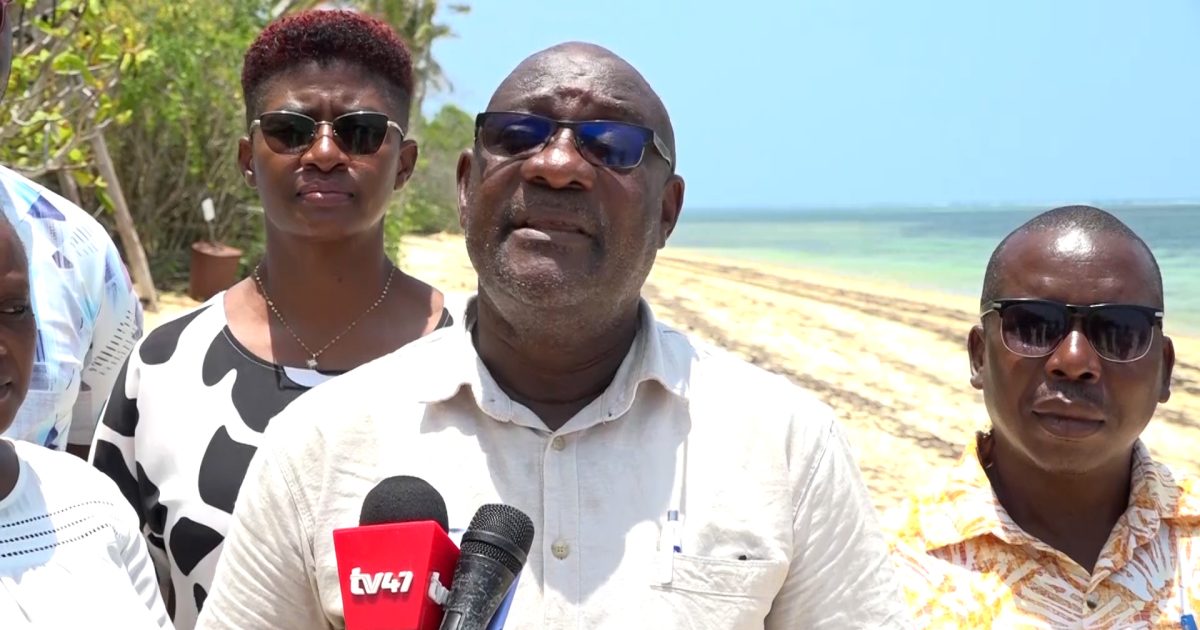
Speaking ahead of the event, Media for Nature co-founder Mazera Ndurya said the dialogue seeks to shift how ocean issues are reported by placing community voices at the centre of storytelling.
“Coastal communities hold valuable indigenous knowledge about the ocean from understanding tides to fishing patterns but their perspectives are rarely reflected in media coverage,” Ndurya said.
“In most cases their voices are only heard during tragedies such as drowning incidents. Yet they have lived alongside the ocean for generations and deeply understand its behavior.” he added
He added that the forum will provide journalists with an opportunity to engage directly with communities, learn from their experiences and improve reporting on environmental issues such as climate change and sustainable fishing.
Ndurya also noted that civil society organizations and scientists will use the platform to share research findings and ongoing conservation initiatives with the media.
“We want to build a network of journalists committed to reporting on nature so that environmental stories are told consistently and accurately,” he said.
Kilifi Beach Management Units chairman Charles Nyale welcomed the initiative saying it will help amplify the voices of coastal communities that depend on marine resources.
“Through the media, people will better understand our work and the efforts we make to conserve the marine ecosystem,” Nyale said.
He added that increased media attention could also highlight challenges facing fishermen, helping authorities and stakeholders develop solutions.
Vipingo Ridge conservation manager Kuso Abdulla emphasized the importance of raising awareness about environmental conservation, noting that many residents in Kilifi County still lack sufficient understanding of its significance.
“At the marine level we collaborate with community-based organizations to support conservation work,” Abdulla said.
He added that the organization also runs educational programmes for schoolchildren to promote awareness of wildlife protection particularly in areas affected by poaching.
Media Council of Kenya Coast regional manager Mourine Mudi highlighted the critical role journalists play in bringing environmental issues to light.
“Journalists are part of the communities they report on. When they take time to understand local issues stories that would otherwise go unnoticed are told,” she said.
Mudi also pledged the council’s support through training programmes and partnerships aimed at strengthening environmental journalism.
By Sitati Reagan