The national government will commission a modern scientific tea testing centre in Mombasa by May this year, as part of sweeping reforms, aimed at enhancing transparency, improving quality and increasing earnings for farmers.
Agriculture Principal Secretary Dr. Kiprono Rono said the new facility will eliminate outdated and unscientific tea tasting methods, ensuring credibility and fairness in the evaluation and pricing of Kenyan tea in the global market.
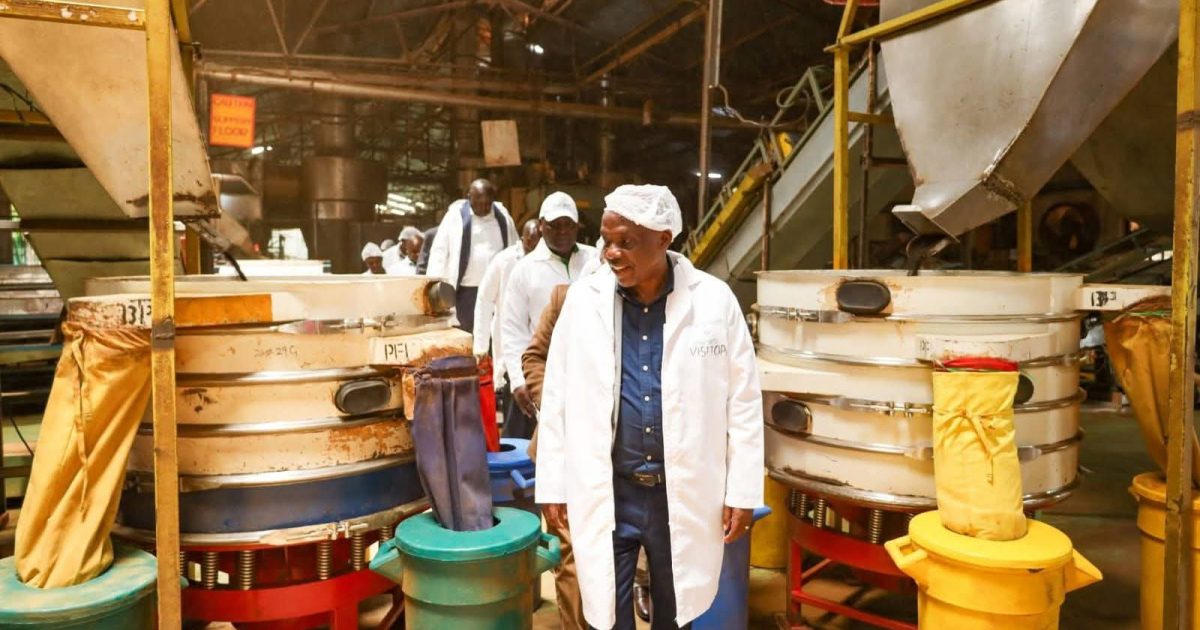
Speaking during a visit to Chebut and Kaptumo tea factories in Nandi County, Dr. Rono said the centre will mark a major shift towards science-based assessment of tea quality, strengthening Kenya’s competitiveness internationally.
The PS also announced a Sh3.5 billion investment to upgrade 19 tea factories across the country in a bid to modernize processing and improve efficiency.
For instance, Chebut Tea Factory is set to receive Sh89 million for modernization, while Kaptumo Tea Factory will benefit from Sh77 million to upgrade its processing lines and dryers.
The PS emphasized the need for Kaptumo factory to install an orthodox tea processing line, noting that the government is actively seeking premium markets to support the transition from the traditional CTC (Crush, Tear, Curl) method to orthodox tea, which fetches higher prices globally.
He issued a stern warning to the Kenya Tea Development Agency (KTDA) Board over alleged corruption and mismanagement of funds meant for tea factories, cautioning that the government will take firm action against those implicated.
“Farmers should not uproot their tea bushes. Instead, we will uproot the cartels,” said Rono, reaffirming the government’s commitment to protecting farmers’ interests and restoring integrity in the sector.
He noted that ongoing state interventions have already seen monthly payments to farmers rise from Sh16 to Sh26 per kilogram over the past year, offering relief to growers who have long grappled with low returns.
The PS attributed recent instability in tea prices and bonuses to global factors including the ongoing conflict in the Middle East, which has disrupted key export markets such as Iran, one of the largest consumers of Kenyan tea.
He added that the government is exploring alternative markets in China and Pakistan to cushion farmers from the impact.
To address production challenges, Dr. Rono announced that the government has released Sh2 billion for fertilizer subsidy to mitigate shortages caused by increased demand.
He assured farmers of improved access to subsidized inputs during the current planting season.
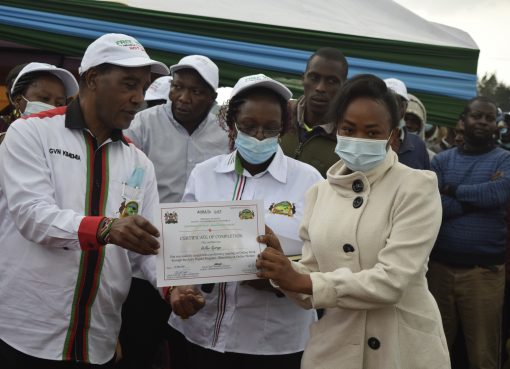
During the visit, the PS officially handed over certificates of separation to the factories, marking a new phase of autonomy and self-governance.
He urged factory management to embrace modernization, adopt digital technologies and strengthen governance structures to enhance productivity and accountability.
To support diversification and sustainability, Rono donated 20,000 certified tea and avocado seedlings to farmers, encouraging them to integrate high-value crops into their farming systems to boost incomes.
Emgwen Member of Parliament Josses Lelmengit welcomed the reforms, saying they will restore farmers’ confidence in the tea sector and improve household incomes.
Lelmengit urged the government to fast-track implementation of factory upgrades and ensure strict oversight of funds to eliminate corruption.
“Our farmers have endured low returns for years. These reforms must translate into better bonuses and timely payments,” he said, adding that leaders will continue to push for accountability and transparency within tea sector institutions.
Nandi County Executive for Agriculture Kiplimo Lagat also lauded the national government’s intervention, terming it a timely boost to the county’s tea sub-sector.
Lagat said the county government will work closely with national agencies to support farmers through extension services, promote adoption of modern farming practices and ensure efficient distribution of subsidized fertilizer.
“This intervention will go a long way in improving productivity and lowering the cost of production for our farmers. As a county, we are committed to complementing these efforts to ensure farmers reap maximum benefits,” he said.
Tea Board of Kenya Chief Executive Officer Willy Mutai, who accompanied the PS, called on factories to invest in scientific research, improve processing standards and embrace ongoing reforms to strengthen their bargaining power at the tea auction.
He said reforms focusing on quality improvement, market diversification and revitalization of the tea sector are expected to significantly boost farmers’ bonuses and overall earnings.
The leaders present emphasized the need to eliminate middlemen in the tea value chain, insisting that transparency and direct earnings for farmers remain central to the government’s reform agenda.
By Linet Wafula