In West Pokot County, where harmful cultural practices such as Female Genital Mutilation (FGM), early marriages and gender-based violence have persisted for years, an unusual yet powerful tool is emerging to transform community attitudes: football.
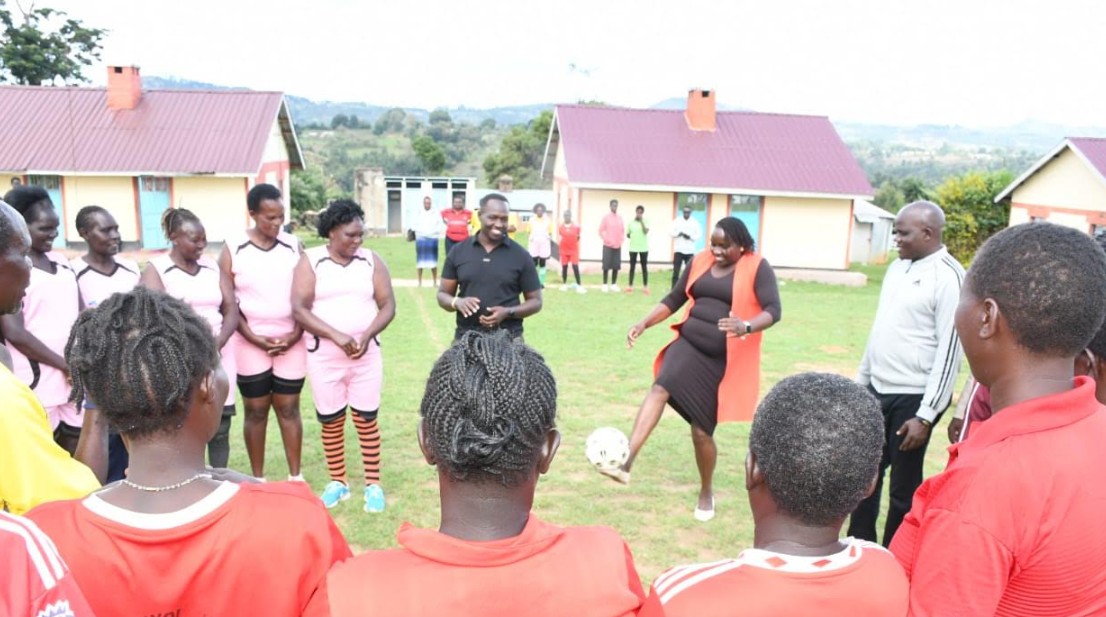
Grandmothers from across the county are now taking to the pitch in organised football tournaments designed to promote health, unity and advocacy against harmful traditional practices affecting women and girls.
The initiative, which targets women aged 50 years and above, has become both a social movement and a health-promoting activity for elderly women who are using sports to champion change within their communities.
FGM remains deeply rooted in some parts of the county. The practice is often justified as a way to control women’s sexuality and maintain modesty, but it is internationally recognised as a violation of the human rights of girls and women.
Despite ongoing campaigns by the government and development partners to eradicate the practice, thousands of girls in some communities still face the risk of undergoing the procedure every year.
To address this challenge, the West Pokot County Department of Gender, Youth and Sports last year introduced football tournaments for elderly women popularly known as “grannies”.
The initiative uses sports as a creative platform to educate communities and challenge harmful cultural practices, including FGM, teenage pregnancies, early marriages and gender-based violence.
Beyond advocacy, the programme has also delivered significant health benefits to the participating women. Many of the grannies say engaging in regular physical activity has helped them improve their physical health while also strengthening social bonds within their communities.
Rose Nyangaita, a grandmother from Keringet village in Kapenguria Constituency, says football has transformed her life both physically and emotionally.
“Before I started playing football, I suffered from high blood pressure and diabetes, but since joining the team my body has become healthier,” she said.
According to Nyangaita, several women in the programme have experienced similar improvements in their health.
“Some grannies who were overweight have lost weight, and others who had knee problems say they now feel stronger through the exercises we do while playing,” she added.
She urged the government to continue supporting the initiative so that more elderly women can benefit from the programme.
“We ask the government to help us continue playing so that other women at home can also get the chance to join football like we have,” she said.
Margaret Tallam, a 57-year-old grandmother from Kamariny village, says the games have strengthened unity and helped reduce stress among participants.
“Since we joined the pitch we stay together as a team, exercise regularly and our health has improved. Even our knees have become stronger and we have reduced weight,” she said.
Tallam explained that the football matches also provide emotional relief from the pressures of daily life.
“When we arrive at the pitch with stress from home, we return feeling relieved as if the stress has disappeared,” she said, thanking county leaders and organisers for supporting the initiative.
West Pokot County Executive Committee Member (CECM) for Gender, Youth and Sports Lucky Litole said the tournaments are part of a broader county strategy aimed at empowering women and promoting behaviour change within communities.
She spoke during one of the tournaments held at the Kapenguria Administration Police line playing ground, where several granny teams from different parts of the county competed.
“We are very happy with how the teams have played today. We had teams from Keringet, Kangilikwan, Kapenguria and Kamariny, as well as Gen Z teams from Kamariny and Kapenguria,” she said.
Litole noted that sports offer a powerful platform for improving both physical and mental health while also strengthening community bonds.
“When mothers come together to play, they walk, laugh, make friends and build unity. This is part of empowering women through sports,” she said.
She added that the women participating in the tournaments have now become ambassadors against harmful cultural practices in their communities.
“When they go back to their communities, they educate other mothers that female genital mutilation must stop,” she said.
The county government has also allocated funds to support the teams with equipment such as uniforms and footballs and is exploring plans to construct more playing fields across the county to encourage wider participation.
West Pokot Chief Officer for Gender, Youth and Sports Edwin Lokomol said the idea was inspired by similar initiatives in neighbouring counties where elderly women have used football as a tool for community engagement and advocacy.
“Our grannies saw women from Elgeyo Marakwet who represented Kenya in a tournament in Durban, South Africa. They came to our office asking why they could not get the same opportunity,” he said.
Following the request, the county government began organising teams starting in Keringet village, and interest quickly spread across the region.
Currently, nearly 14 granny football teams from different parts of West Pokot have expressed interest in participating in the programme, reflecting the growing popularity of the initiative among elderly women.
Lokomol noted that the initiative has also helped participants manage lifestyle diseases such as hypertension and diabetes.
“Sports help reduce stress and improve health. Some mothers who had health challenges say they now feel much better after engaging in regular exercise,” he said.
The county government is now planning friendly matches between granny teams from West Pokot and those from neighbouring counties, including Nandi and Elgeyo Marakwet in an effort to expand the initiative and promote regional engagement.
For many of the women involved, the initiative offers more than just physical exercise. It also provides an opportunity to travel, interact with other communities and advocate for the rights and well-being of women and girls.
County officials believe that empowering older women, who often hold significant influence in their families and communities, can help accelerate the fight against harmful cultural practices.
By giving the grannies a platform to speak out and lead by example, the county hopes the message against practices such as FGM will spread more effectively and help protect future generations of girls.
The football tournaments are, therefore, not only improving the health and wellbeing of elderly women but are also transforming them into powerful community champions working to end harmful cultural practices and promote positive social change across West Pokot County.
By Anthony Melly