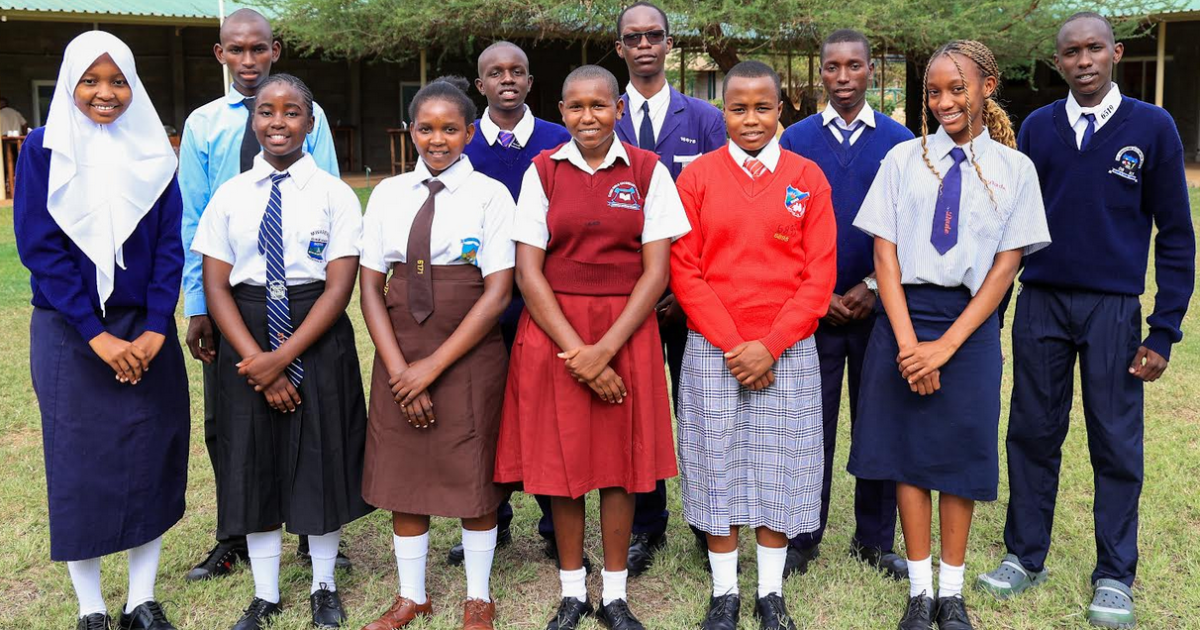
Students from communities bordering the Tsavo ecosystem are turning creativity and technology into powerful tools for wildlife conservation, following their selection into a scholarship programme supporting young environmental champions.
The learners are beneficiaries of the Young Conservation Heroes Scholarship by the African Wildlife Foundation and Wildlife Clubs of Kenya, which provides education support, mentorship and funding for grassroots conservation projects.
Among them is Peace Wawuda, a student at Mwasere Girls High School in Taita Taveta County, who is using art made from recycled materials to promote environmental awareness. Her project involves creating animal-themed artwork using plastic waste such as bottle tops, helping reduce pollution while educating communities on conservation.
“This helps reduce plastic waste while passing a message on the need to protect wildlife,” she said, adding that proceeds from the artwork also support her education.
Another beneficiary, Abdul Rahim from Tana River County, is leveraging digital platforms to raise awareness about endangered Mangabey monkeys found in the region. Through his project dubbed Voices of the Mangabey, Rahim uses social media to share stories, videos and conservation messages targeting young audiences.
“These monkeys face threats such as habitat loss, and I want more people, especially young people, to understand why they need protection,” he said.
Rahim noted that the programme has helped build his confidence and communication skills, enabling him to effectively advocate for conservation.
Parents have also welcomed the initiative, citing its impact at the household and community levels.
A parent from Kajiado County, Anthony Sayanga, said the scholarship will support tree-planting efforts aimed at restoring degraded water catchment areas. “For a long time, we have experienced environmental degradation, especially in water sources. Projects like this will help restore ecosystems and benefit communities,” he said.
Programme officials say youth-led initiatives are already making an impact, with students establishing tree nurseries, leading peer education and championing environmental awareness in their schools.
They expressed confidence that empowering young people will not only strengthen conservation efforts but also foster a culture of environmental responsibility in communities living near wildlife habitats.
By Arnold Linga Masila