The Taita Taveta County Government has allocated Sh4.2 million in the 2026/2027 financial year to scale up screening and management of sickle cell disease (SCD) as health officials intensify efforts to curb the condition in the region.
The funding will support early screening, data management systems, and improved service delivery under a renewed countywide SCD programme.
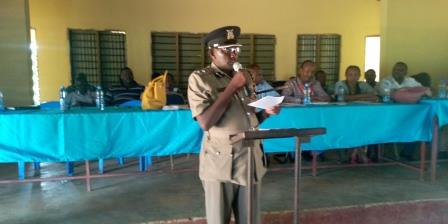
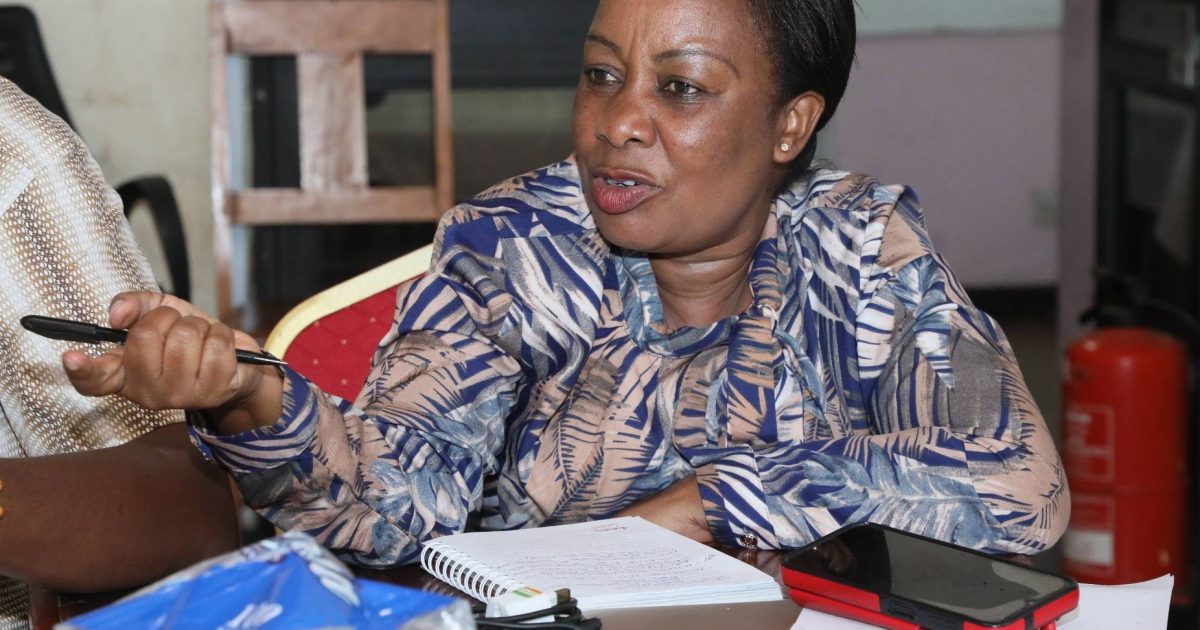
Speaking during a county health planning meeting in Wundanyi, County Chief Officer for Health Violet Mkamburi said Taita Taveta remains a high-burden area, underscoring the need for urgent and coordinated interventions.
“Early detection is critical to effective management of sickle cell disease. We are prioritizing newborn and infant screening to ensure timely diagnosis and care,” said Mkamburi.
She said the county has initiated plans to roll out screening services across all sub-county hospitals to improve early diagnosis and reduce complications associated with late detection.
County Director of Health, Elvis Mwandawiro, said the funds will also strengthen data systems to enhance tracking of cases and improve patient outcomes. “We are investing in systems that will allow us to identify cases early, monitor patients and improve overall response to the disease,” he said.
According to the Ministry of Health, sickle cell disease remains a major public health concern in the country, with an estimated 14,000 children born with the condition annually.
The disease is mostly prevalent in Western, Nyanza, and Coastal regions, affecting about 17 to 18 counties, with coastal counties such as Taita Taveta among the worst impacted.
Health experts warn that without early intervention, up to 50 percent of children born with sickle cell disease in sub-Saharan Africa die before the age of five.
Reacting to the statistic, a Ministry of Health employee, Dr. Richard Kihara, said the high mortality underscores the urgency of scaling up early screening and treatment.
“This is why early diagnosis is not optional; it is lifesaving. When children are identified early and linked to care, we can significantly reduce these preventable deaths, especially in high-burden regions like the Coast,” said Dr. Kihara.
Deliberations at the meeting, which brought together officials from the Ministry of Health, the Africa Sickle Cell Organisation and the County Health Management Team, resulted in the formation of a County Technical Working Group to coordinate implementation of SCD interventions.
The participants expressed confidence that the planned interventions will improve early diagnosis, enhance patient care, and reduce preventable deaths linked to the disease in the county.
By Arnold Linga Masila