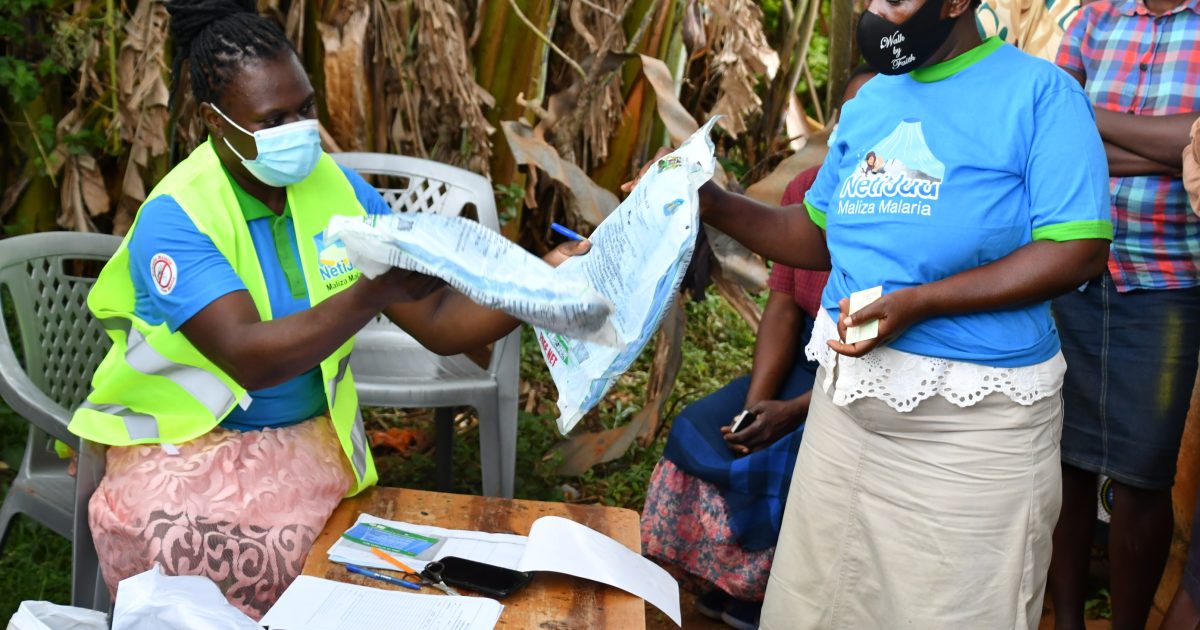
Kisumu County has recorded a significant decline in severe malaria cases among children following the introduction of the malaria vaccine, signalling major progress in the fight against the disease.
Kisumu County Malaria Control Coordinator Lilyana Dayo said the vaccine targeting children under five has eased pressure on health facilities in the area by reducing admissions linked to severe malaria.
“The malaria vaccine represents a major milestone in our fight, particularly for children under five who are most at risk. When you compare admissions in 2026 to those before 2019, there is a clear reduction in the number of children presenting with severe malaria,” Dayo said.
According to Dayo, severe malaria cases previously accounted for between 10 and 15 per cent of hospital bed occupancy and that figure has now dropped to about five per cent.
In an interview with KNA in her office on Wednesday, Dayo attributed the gains to a combination of interventions, including the rollout of the vaccine alongside traditional prevention measures.
County data shows malaria prevalence stood at about 27 per cent in 2015, before dropping to 15.6 per cent by 2020 after intensified control efforts.
Early indications suggest the burden could have declined further, although this awaits confirmation through ongoing surveys.
“In high-burden settings like Kisumu, the impact of the vaccine has been transformative. We are seeing fewer children falling severely ill and fewer hospital admissions,” she said.
She added that the reduction in malaria cases has also eased the economic burden on households.
“Caregivers are making fewer trips to hospitals, which means less disruption to their businesses and livelihoods,” Dayo said.
However, she cautioned that the vaccine is not a standalone solution.
“The malaria vaccine provides moderate protection and must be used together with other interventions such as bed nets, indoor residual spraying, larviciding, prompt testing and treatment, and preventive care for pregnant women,” she said.
She emphasised the continued use of Sulfadoxine-Pyrimethamine (Fansidar) among expectant mothers as a key preventive measure.
Despite the progress, she added, the county is grappling with low completion rates for the full four-dose vaccine regimen.
While about 85 per cent of children receive the first dose, only around 30 per cent complete the fourth.
“Full protection is achieved after all four doses, but many caregivers stop midway. This is a major challenge we are addressing through community follow-ups,” Dayo said.
Kisumu, she said, has strengthened its community health system, with near 100 per cent coverage of community units. Community health promoters, she added, were playing a central role in tracking defaulters, educating households and addressing misinformation about the vaccine.
“They help us correct misconceptions and encourage caregivers to complete the vaccination schedule,” she said.
Malaria however remains endemic in parts of the county, particularly Nyando, Muhoroni, Seme and areas of Kisumu East and Nyakach, where environmental factors such as flooding continue to drive transmission.
“These areas experience frequent flooding, which creates breeding grounds for mosquitoes and disrupts access to healthcare,” Dayo explained.
Before 2019, about one per cent of malaria cases resulted in death, a figure that has since declined significantly due to improved prevention and treatment.
Looking ahead, Dayo underscored the need for sustainable financing and stronger supply chains to maintain progress.
“Many malaria interventions, including vaccines, are donor-supported. We must plan for long-term financing to avoid stockouts and protect the gains we have made,” she said.
Dayo expressed optimism that with sustained interventions, malaria elimination was within reach.
“If communities continue to use all the available prevention tools, we have a real opportunity to significantly reduce malaria deaths and move towards elimination by 2030,” she said urging residents to remain vigilant.
“Zero malaria starts with us. Everyone has a role to play in protecting themselves and their families,” she said.
By Chris Mahandara