Thika Member of Parliament and Chairperson of the Social Protection Committee, Alice Nganga, has raised alarm over the creeping return of Female Genital Mutilation (FGM) in Kiambu County, citing reports of fresh instances linked to a sect.
The MP noted that while significant progress had been made and Kiambu had largely remained free of the harmful practice for years, recent intelligence points to isolated cases associated with a secretive sect.
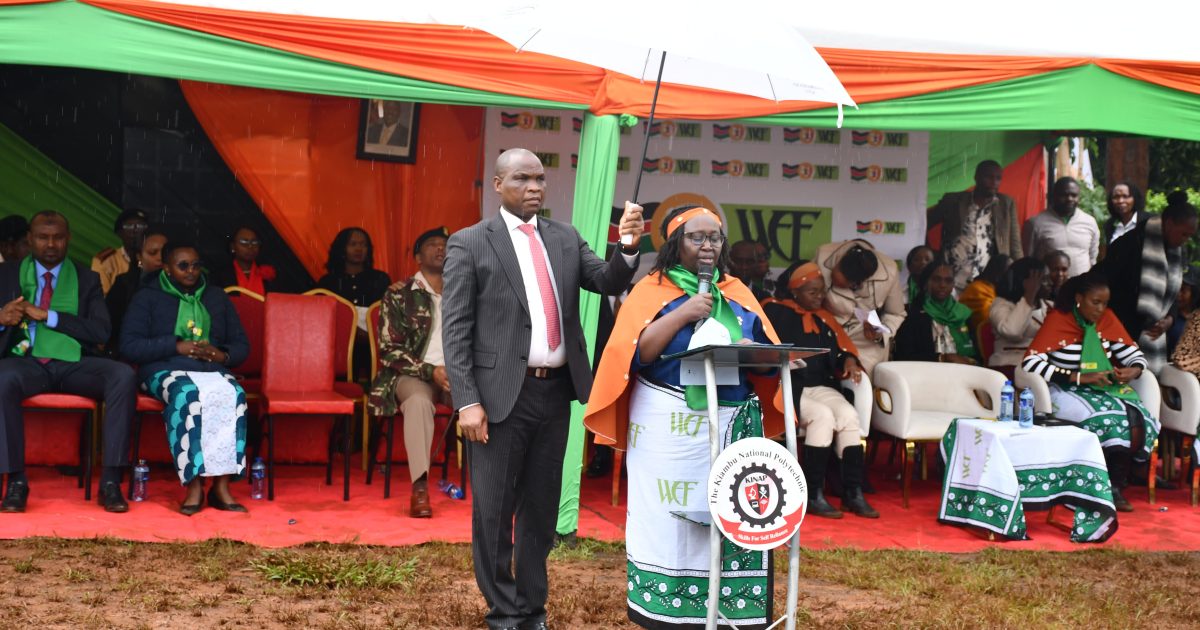
Speaking during a brief engagement at the Kiambu National Polytechnic (Kinap) Principal’s office ahead of a Women Empowerment Forum organised by the Women Enterprise Fund (WEF), the lawmaker stressed the need for vigilance to protect gains already achieved.
Cabinet Secretary for Gender, Culture, the Arts and Heritage, Hanna Wendot Cheptumo, who was present, urged immediate and decisive measures to stamp out the vice.
“We are the software of the country; we deal with humans and therefore actions should be taken to manage that,” CS Cheptumo said, emphasizing the government’s responsibility in protecting women and girls from all forms of gender-based harm.
The CS called on all stakeholders, including county governments, community leaders, security agencies and civil society, to strengthen surveillance, awareness campaigns and enforcement of the Prohibition of Female Genital Mutilation Act. She reiterated the national commitment to ending FGM by 2026 and warned that any form of backsliding would not be tolerated.
Kiambu had been celebrated as one of the counties in the Mount Kenya region that successfully reduced FGM prevalence through sustained community sensitization, alternative rites of passage programmes and strong collaboration between government and local elders. However, officials now fear underground activities could reverse these hard-won gains.
Participants at the engagement expressed concern that FGM, when linked to sects or cultural revivalist groups, often operates covertly, targeting vulnerable girls under the guise of tradition or spiritual rites.

The Women Empowerment Forum at Kinap brought together women entrepreneurs, youth groups and leaders to discuss economic opportunities, skills development and gender equality. Speakers used the platform to link economic empowerment with the fight against retrogressive practices, arguing that educated and financially independent women and girls are better positioned to resist harmful cultural demands.
Local leaders appealed to residents to report any suspected FGM activities to authorities, promising swift action and protection for whistleblowers. They also called for enhanced funding for anti-FGM programmes and community dialogues to address emerging threats.
Stakeholders resolved to intensify multi-sectoral efforts, including school-based awareness, engagement with religious and cultural leaders, and tighter monitoring in border areas and informal settlements where such practices may thrive undetected.
By Kipkorir Felix