The Ministry of Education has committed to tapping data-driven research to strengthen and inform policies within the education system as key reforms take shape.
The decision comes after education stakeholders criticised the low uptake of locally generated research in Kenya’s education sector, warning that years of academic and policy studies by universities, non-governmental organisations and United Nations agencies have largely gone unused despite ongoing reforms.
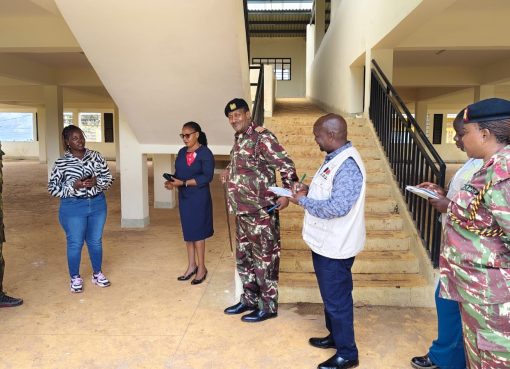
Speaking during the Kenya National Commission for UNESCO and Global Partnership for Education (GPE), Knowledge and Innovation Exchange forum in Naivasha, the officials said evidence-based policymaking is critical to transforming the country’s education system and ensuring reforms are both effective and inclusive.
According to Dr. Elyas Abdi, the Director General for Basic Education, the government is committed to integrating research findings into policy formulation and implementation to improve learning outcomes across the country.
Dr. Abdi said previous administrations had failed to adequately utilise research generated by academic institutions, UN agencies and civil society organisations, resulting in fragmented policymaking and inconsistent reforms within the Ministry of Education.
“The future of the education system in this country and the region will be heavily informed by modern data and research that can drive meaningful policy reforms,” said Dr Abdi.
He added that Kenya must bridge the gap between evidence-based research and implementation in order to strengthen inclusive learning across all levels of education.
Dr Abdi noted that the current administration is prioritising research-driven reforms focused on improving learner experiences, teacher re-skilling, gender equity and strengthening Early Childhood Development Education (ECDE).
“Every graduate undertaking Masters and Ph.D.-level research in the Education sector has to deposit their thesis to the Ministry of Education, but the document’s key recommendations have for years not been acted upon, and this has to change,” said Dr. Abdi.
He emphasised that successful reforms must be government-led and backed by sustained political goodwill to address persistent gaps in the sector.
“The future of education in this country will largely depend on the use of research data, policy reforms, teacher re-skilling and collaboration with private sector and non-governmental actors,” he added.
Dr. Abdi further said the Ministry was committed to ensuring that no learner is left behind, particularly learners with special needs, children from disadvantaged backgrounds and those affected by climate-related shocks.
Hassan Mohammed, the Permanent Secretary for Education, Culture and Higher Education in Somalia, said the administration was investing heavily in an evidence-based education system as part of efforts to rebuild the sector following years of civil conflict.
He said research-informed policymaking had already contributed to significant progress, particularly in digital learning and teacher development.
“In Somalia, the government is investing in infrastructure, teacher development and education financing to rebuild a system that was devastated by years of civil war,” said Mohammed.
James Njogu, the acting CEO for UNESCO said the stakeholders’ meeting was aimed at strengthening the use of research in shaping education policy and decision-making.
Dr Njogu revealed that UNESCO is currently supporting nine education-related projects across Kenya and is finalising a report expected to provide recommendations for strengthening the sector.
The Naivasha meeting formed part of the Global Partnership for Education’s Knowledge and Innovation Exchange (GPE, KIX) initiative, which seeks to help countries use research and innovation to improve education systems.
The three-day forum brought together policymakers, researchers, development partners and education stakeholders under the theme “Aligning Evidence for System-Level Impact.”
According to the Global Partnership for Education, the KIX programme supports countries in translating research findings into practical education reforms, particularly in areas such as teacher training, gender equity, early childhood education and digital learning.
Kenya has recently intensified efforts to reform its education sector, including strengthening the Competency-Based Curriculum (CBC), improving digital learning and enhancing teacher training.
The Ministry of Education says these reforms are aimed at creating a more skills-oriented and inclusive education system.
By Erastus Gichohi