The Government has selected Tharaka Nithi County to pilot a landmark grassroots data collection and protection programme aimed at strengthening national planning, budgeting, and public service delivery through evidence-based decision-making.
The initiative, spearheaded by the State Department for Planning in collaboration with the National Treasury and the national government administration officers (NGAOs), seeks to establish a reliable and up-to-date database that will support development planning and resource allocation across the country.
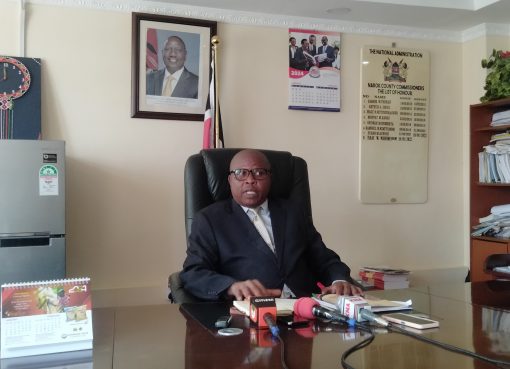
Speaking during a workshop in Chuka, County Commissioner David Gitonga said the programme is part of the Government’s broader efforts to enhance data-driven governance and ensure development interventions are informed by accurate information from the grassroots.
“The Government is working towards developing a robust database that will facilitate appropriate budgeting, planning, and service delivery. Tharaka Nithi has been selected to pilot this programme, which is expected to provide a model for wider implementation,” said Gitonga.
The training brought together NGAOs, representatives from the National Treasury, the State Department for Planning, consultants, deputy county commissioners, assistant county commissioners, chiefs, and assistant chiefs.
Gitonga said NGAOs have been identified as key players in the initiative because of their close interaction with communities and their ability to gather first-hand information on local development needs and emerging challenges.
Chris Otieno, a consultant working with the State Department for Planning, said the programme aims to strengthen the collection, management, and protection of data at the grassroots level through the use of digital platforms.
He noted that the training will equip administrators with the skills required to collect accurate and standardized data while ensuring that personal information is handled responsibly and in accordance with existing legal and ethical frameworks.
“The objective is to ensure that information collected from communities is accurate, secure, and useful in guiding government policies and development programmes,” said Otieno.
Another consultant, Jahson Wano, emphasized the importance of quality data in shaping national and county development priorities, noting that reliable information is critical for effective governance and efficient service delivery.
He urged members of the public to cooperate with administrators during data collection exercises and provide accurate information to support evidence-based planning.
“The success of this initiative depends on public trust and participation. Communities should be confident that the information they provide will be used to improve service delivery and address development challenges,” he said.
Under the programme, NGAOs will collect standardized data on key sectors including health, education, security, infrastructure, project implementation, livelihoods, and vulnerable populations.
The information generated is expected to help the Government identify development gaps, improve response to public needs, strengthen security planning, and ensure resources are allocated where they are needed most.
Officials said the programme will also support strategic planning by providing current and reliable data that can guide policy formulation, project implementation, and monitoring of development outcomes at both national and county levels.
In addition to data collection, NGAOs will play a key role in disseminating government information to communities and mobilizing residents during public participation and data collection exercises.
The initiative aligns with the Government’s digital transformation agenda and growing emphasis on data-driven governance as a tool for enhancing accountability, improving service delivery, and accelerating sustainable development.
If successful, the pilot programme is expected to inform the expansion of similar grassroots data collection systems in other parts of the country, providing policymakers with timely information to support national development planning.
By Dickson Mwiti and Christine Ngitori