Nandi County has intensified efforts to combat Gender-Based Violence (GBV) and femicide following revelations that 38.4 per cent of women aged between 15 and 49 years have experienced physical violence at some point in their lives, placing the county fifth nationally in the prevalence of physical violence against women.
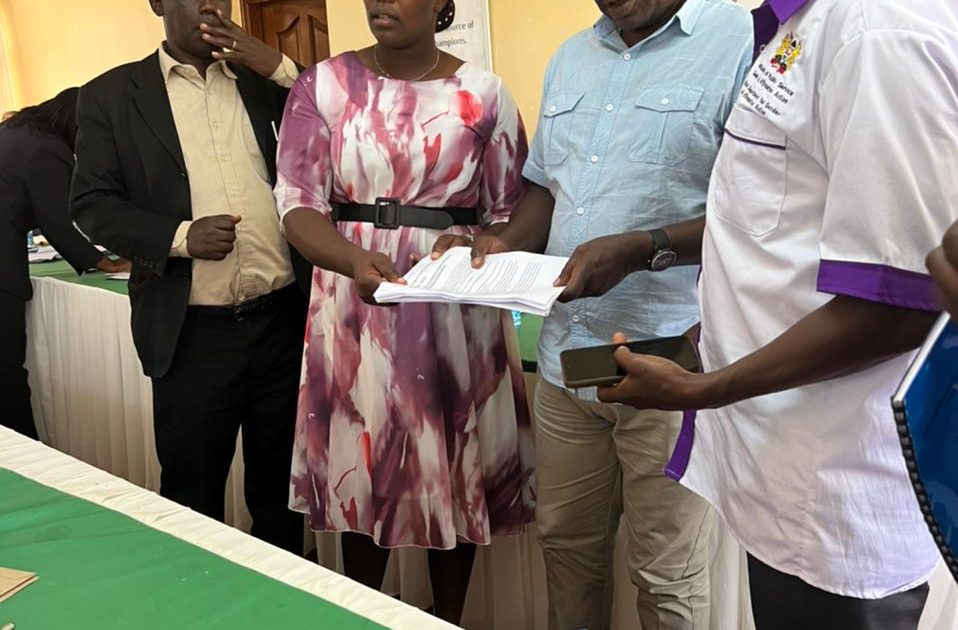
The statistics, released during a sensitisation meeting of the Nandi County Gender Sector Working Group in Kapsabet, have prompted stakeholders to call for urgent, coordinated interventions involving the National Government, County Government, religious institutions, civil society organisations, community leaders and residents.
According to the findings presented during the meeting, Nandi ranks behind Kakamega, Uasin Gishu, Elgeyo Marakwet and Vihiga counties in reported cases of physical violence against women. The county also recorded 16 reported femicide cases in 2023, ranking sixth nationally, while 20 cases were reported in 2024, placing it tenth nationally.
Participants said the statistics highlight the need for strengthened prevention strategies, improved survivor support services and greater public awareness to curb the rising cases of violence against women and girls.
Nandi County Commissioner Wilberforce Kilonzo said addressing GBV and femicide requires collective responsibility and sustained public engagement, noting that government agencies alone cannot eliminate the vice.
He said the National Government has continued to use Huduma Mashinani forums across the county’s six sub-counties to educate residents on Gender-Based Violence, teenage pregnancy, child protection and other social challenges affecting communities.
Kilonzo urged government agencies, faith-based organisations, civil society groups, schools and community leaders to intensify public awareness campaigns to encourage victims to report cases promptly and help transform attitudes that perpetuate violence.
“The fight against Gender-Based Violence requires the active participation of every stakeholder. Through Huduma Mashinani forums, we are continuously sensitising communities on GBV, teenage pregnancy and other social issues, but more partnerships are needed if we are to eliminate these crimes,” he said.
County Director of Gender George Ondonga said the meeting was convened to familiarise members of the Gender Sector Working Group with the findings and recommendations of the Gender Technical Working Group on GBV and Femicide and to develop interventions tailored to the county’s needs.
Ondonga challenged members of the working group to move beyond policy discussions and become ambassadors against GBV within their respective institutions and communities.
“Every member of the Gender Sector Working Group has a responsibility to become an ambassador in the fight against GBV and femicide by taking prevention messages to the grassroots,” he said.
Teenage pregnancy also emerged as a major concern during the meeting. Stakeholders heard that 17 per cent of girls aged between 15 and 19 years in Nandi County have experienced pregnancy, with Aldai Sub-county recording the highest prevalence at 23 per cent.
Participants said teenage pregnancy, school dropout, harmful cultural practices, alcohol and substance abuse and sexual violence are interconnected challenges requiring integrated interventions involving parents, schools, health providers and community leaders.
To strengthen prevention and response, stakeholders recommended increased funding for GBV programmes, expanded public sensitisation campaigns and stronger collaboration among government institutions, faith-based organisations, civil society and community structures.
They further proposed convening a county summit bringing together the Council of Elders, senior religious leaders, elected leaders and civil society organisations to develop a unified strategy for combating GBV and femicide.
The meeting also resolved to mobilise resources from both the National and County Governments for the construction of a Gender-Based Violence Recovery Centre at Kapsabet County Referral Hospital.
Kilonzo and Ondonga committed to convening a consultative meeting with relevant leaders and partners to explore funding options for the proposed facility.
The planned recovery centre would provide temporary shelter, psychosocial counselling, legal assistance, medical care and referral services for survivors, particularly those who may face further danger if they return home immediately after reporting abuse.
Stakeholders urged the National Government to prioritise Nandi County in its plan to establish a GBV Recovery Centre in every county, citing the county’s high prevalence of physical violence and increasing femicide cases.
The meeting also examined the role of cultural practices in shaping behaviour among young people.
Participants called on community elders to review the teachings offered during initiation ceremonies to ensure they promote respect for parents, teachers, women and children while discouraging violence, discrimination and harmful cultural norms.
They observed that initiation rites should reinforce positive values, responsibility and peaceful coexistence instead of perpetuating attitudes that encourage abuse or gender inequality.
Schools and colleges were identified as critical platforms for preventing GBV through education and early intervention.
Stakeholders recommended integrating anti-GBV sensitisation programmes into learning institutions by involving teachers, counsellors and peer educators while using digital platforms, videos and other educational materials to create awareness among learners.
Recognising the importance of engaging men and boys in preventing violence, the meeting proposed establishing male engagement committees at county and sub-county levels to champion positive masculinity and support community awareness campaigns.
Participants also resolved to strengthen GBV referral pathways, improve coordination among duty bearers involved in prevention, reporting and case management, and promote the use of social media to reach more people with anti-GBV messages.
They discouraged the use of Kipkaa, a traditional alternative dispute resolution mechanism, to handle GBV cases, saying criminal offences should be reported to law enforcement agencies and prosecuted through the justice system.
The meeting further recommended holding standalone anti-GBV public barazas to provide sufficient time for focused discussions on prevention, survivor support and available reporting mechanisms.
Stakeholders urged members of the public to report cases of sexual and gender-based violence promptly and called for a harmonised reporting system to improve coordination among government agencies and ensure survivors receive timely assistance.
The sensitisation meeting brought together 20 members of the Nandi County Gender Sector Working Group drawn from the National Government Administration, Kenya Police Service, Office of the Director of Public Prosecutions, State Department for Gender and Affirmative Action, faith-based organisations and other partner institutions.
The participants concluded by reaffirming their commitment to strengthening prevention, survivor protection, public awareness, coordination and accountability in the fight against Gender-Based Violence and femicide, expressing optimism that sustained collaboration among all stakeholders would help reverse the alarming trends and create safer communities across Nandi County.
By Geoffrey Satia