The State Department for Correctional Services has embarked on a journey to advance partnerships aimed at developing sustainable infrastructure and expanding access to renewable energy.
The Department’s Secretary Administration, Sammy Kioko, announced that the institution has prioritized the adoption of clean energy, digitalization, and modernization as key pillars of its reform agenda.
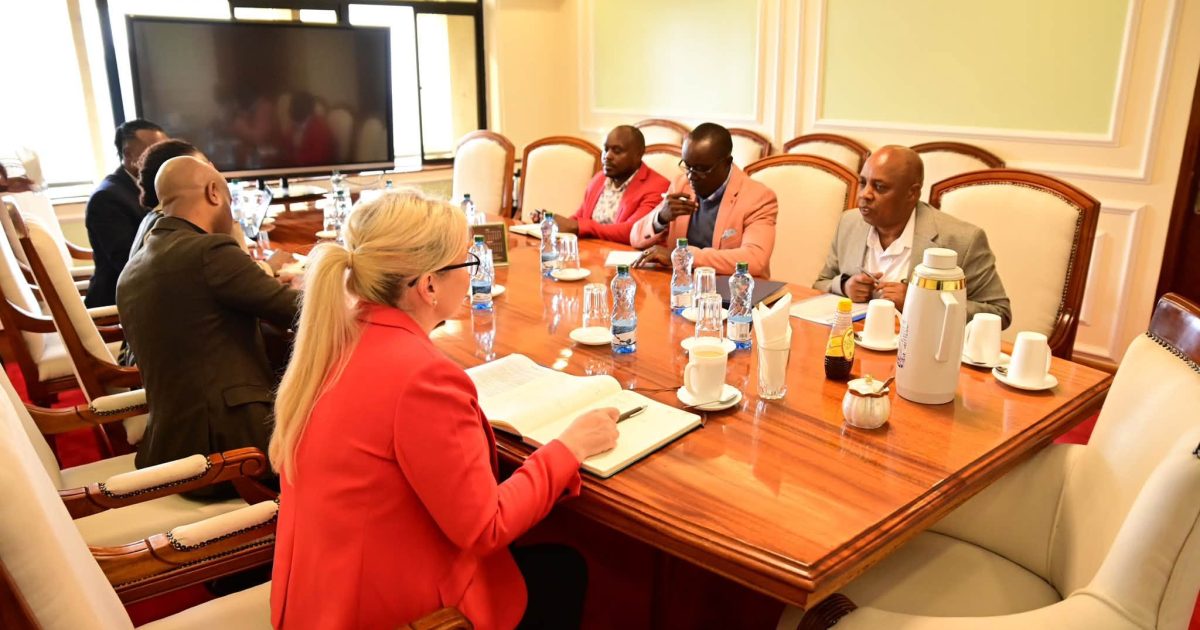
Kioko, who represented the Principal Secretary (PS), Dr. Salome Beacco, spoke during a meeting between the State Department and a delegation from the United Nations Office for Project Services (UNOPS), led by UNOPS East and Southern Africa Director Kelly McAulay.
He revealed that the Principal Secretary is leading the implementation of an initiative to transition all correctional facilities in Kenya from wood fuel to renewable and clean energy solutions, including solar-hybrid power installations and clean cooking technologies.
“The initiative targets the completion of the first phase of the transition to clean cooking by the end of the year,” he specified.
On her part, Kelly McAulay pledged UNOPS’ commitment, through its implementation mandate, to support the State Department in its efforts.
She stated that the two institutions would explore available opportunities to deepen cooperation and advance sustainable infrastructure development within the correctional sector.
Meanwhile, the department, in collaboration with the State Department for Petroleum and other government agencies, has already developed infrastructural designs for clean cooking kitchens.
The initial phase will target Kenya Prisons Service and Probation and Aftercare Service facilities within Nairobi and its environs before being extended to other correctional facilities across the country.
Notably, the initiative is expected to reduce environmental degradation, improve public health, enhance energy security, support Kenya’s low-carbon development agenda, and provide correctional institutions with more efficient, reliable, and environmentally friendly energy solutions.
By Michael Omondi