The journey by the State Department for Correctional Services to transition all its institutions from wood fuel to clean energy moved closer to reality after the Project Implementation Committee began executing the plan, following resolutions by the Technical Working Group on the planned transition.
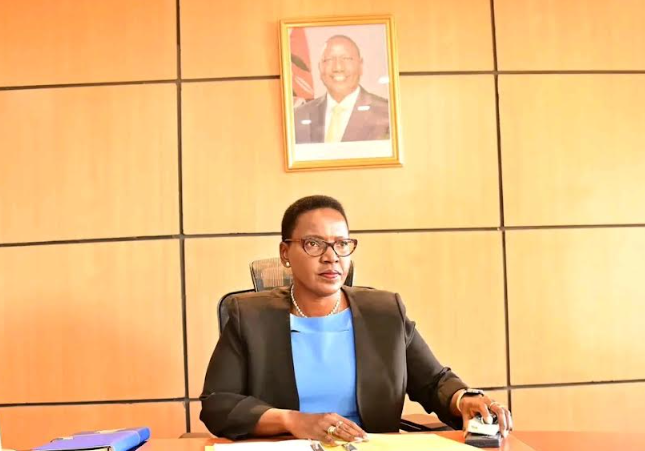
During a meeting between Principal Secretary (PS) Dr. Salome Beacco and members of the Technical Working Group, comprising representatives from various government agencies and organizations, it emerged that designs and Bills of Quantities (BoQs) for LPG installation had been completed and consolidated.
The meeting also considered other viable clean energy options, including biogas, solar-powered systems, and induction cooking technologies.
Speaking during the meeting, the PS said it was imperative that the transition succeed, noting that the department is among the country’s largest consumers of wood fuel.
She observed that the continued use of biomass had resulted in high operating costs while imposing significant health and environmental burdens.
“The transition will initially target Kenya Prisons Service and Probation and Aftercare Service facilities within Nairobi and its environs before being extended to 144 correctional facilities across the country,” announced the PS.
According to Dr. Beacco, among the financing options under consideration are Energy-as-a-Service, aggregated procurement, pay-as-you-cook, and lease-to-own arrangements.
Carbon financing, he added, was also identified as a potential mechanism for sustaining and expanding clean energy systems across correctional facilities.
Meanwhile, the initiative is expected to reduce environmental degradation, improve public health, enhance energy security, and support Kenya’s low-carbon development agenda by providing correctional institutions with more efficient, reliable, and environmentally friendly energy solutions.
It also aligns with the Kenya National Cooking Transition Strategy (2024–2028) and the government’s National Tree Growing and Restoration Campaign, which targets the growing of 15 billion trees by 2032.
By Michael Omondi