Scientists at the Technical University of Mombasa (TUM) are spearheading an international research project to develop a nature-based wastewater treatment technology that could help protect Mombasa’s marine ecosystems, improve coastal water quality, and strengthen climate resilience.
The initiative, dubbed SWATIA (Sustainable Wastewater Treatment Using Algal-Bacterial Consortia for Enhanced Resilience to Climate Change in Africa), brings together researchers from TUM, the University of Tsukuba in Japan, and Durban University of Technology in South Africa.
The project comes amid growing concern over wastewater pollution in Mombasa, where rapid urbanisation continues to outpace aging sanitation infrastructure.
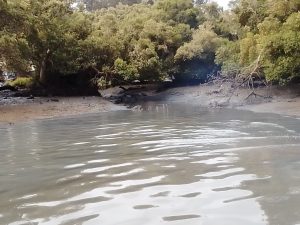
Households and properties in the county generate an estimated 337 million litres of wastewater every day, yet roughly 95 per cent of the city’s liquid waste remains unaccounted for and ultimately finds its way directly or indirectly into the ocean.
The resulting pollution threatens marine ecosystems, public health, and the sustainability of the blue economy.
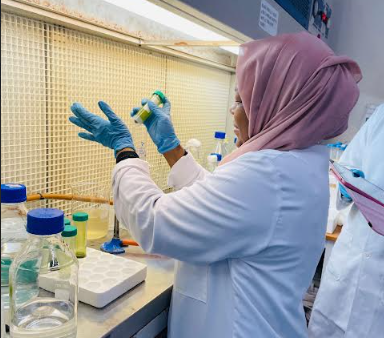
The technical lead, TUM scientist Dr. Mariam Swaleh, said the research focuses on harnessing the natural ability of microalgae and beneficial bacteria to remove pollutants from wastewater while simultaneously capturing carbon dioxide.
“Our goal is to demonstrate that nature itself can help solve one of the biggest environmental challenges facing coastal cities. We are developing an affordable and environmentally sustainable wastewater treatment technology that uses natural biological processes to clean wastewater while also addressing climate change,” she said.
Unlike conventional wastewater treatment systems that rely on energy-intensive mechanical processes, algal-bacterial consortia use natural biological interactions to remove nutrients, organic matter, and other contaminants while producing oxygen that enhances purification.
“As the microalgae grow, they absorb carbon dioxide through photosynthesis, helping to remove carbon from the atmosphere while cleaning wastewater. The resulting biomass can be converted into valuable products such as biofertilisers and bioenergy, creating a circular economy where waste becomes a resource,” Dr. Mariam explained.
Environmental experts have long warned that inadequate wastewater treatment poses a significant threat to public health and marine ecosystems, including coral reefs, mangroves, and
seagrass beds that support fisheries, tourism, and other sectors of the blue economy.
Cleaner wastewater could improve fish breeding grounds, protect tourism beaches, and reduce health risks for coastal communities that depend on the ocean, highlighting the importance of sustainable wastewater management solutions.
With climate change increasing the frequency of flooding and extreme weather events, the need for resilient and cost-effective wastewater treatment systems has become even more urgent for coastal cities.
According to Dr. Mariam, the SWATIA Project demonstrates how a single innovation can address both environmental pollution and climate change.
“By combining wastewater treatment with carbon capture, we are showing that climate action and environmental protection can be achieved together through nature-based solutions,” she said.
As part of the initiative, TUM is establishing a pilot wastewater treatment facility that will serve as a living laboratory for research, innovation, and training.
The facility will enable researchers to test the technology under local conditions while equipping students, water professionals, and industry stakeholders with practical skills in sustainable wastewater management.
“The pilot will also serve as a demonstration site for policymakers, county governments, water service providers, and industries. If successful, the model can be replicated across Kenya and other coastal regions facing similar challenges,” Dr. Mariam said.
Beyond its technological potential, the SWATIA Project is strengthening international collaboration through knowledge exchange, postgraduate training, and joint research involving institutions from Kenya, Japan, and South Africa.
For Mombasa County, the potential benefits are significant, including cleaner coastal waters, improved public health, and stronger protection of marine ecosystems that support thousands of livelihoods.
If successful, the technology could transform how coastal cities across Africa manage wastewater, turning one of the region’s most pressing environmental challenges into an opportunity for climate action, innovation, and sustainable development.
By Sadik Hassan