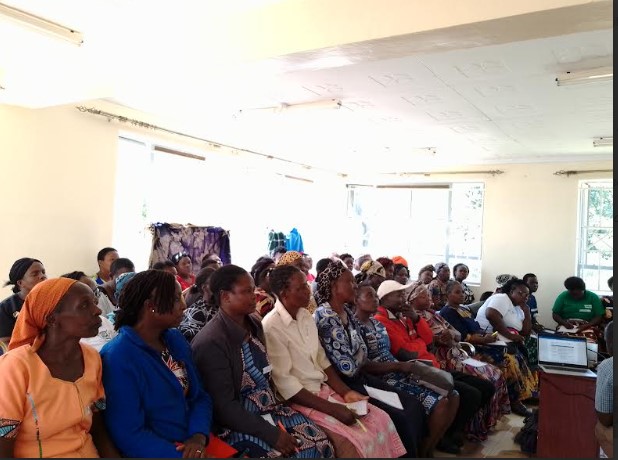
The Safe Water and AIDS Project (SWAP) in partnership with the Ministry of Health, has organized a three-day sensitization program for Community Health promoters (CHPs) in Sabatia Sub-county in Vihiga.
The workshop started on Wednesday, September 2,2026 and expected to end on Friday, September 4, 2026 at the Deputy County Commissioner’s offices in Sabatia.
The three-day program aims to better educate the CHPs on HIV sensitization, Water and sanitation Hygiene sensitization (WASH), and social marketing on services and products that CHPs provide in order for them to be better equipped to serve local residents of Sabatia Sub County better.
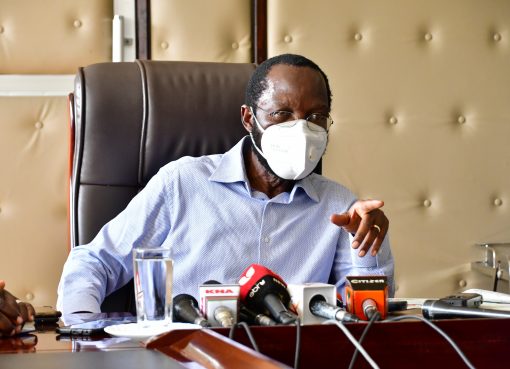
In an exclusive interview with KNA at the training, SWAP programs manager, Edith Alu said that the reason that they were meeting with a few CHPs from Sabatia, 50 in total, was for them to be sensitized on a few issues that align with the organizations mission which is to promote health and research activities across Western Kenya.
“Despite being a Non-Governmental Organization, we are here to educate the CHPs so that our works may cascade down to the villages through them, bringing training on sustainability that focuses on them continuing to promote health services and products in villages and health care facilities,” noted Alu.
Alu explained that the training focused on CHPs being sensitized on; WASH at household level and health care facility, on how to sensitize the public on HIV targeting the vulnerable, who are basically pregnant mothers and children under five years so that those exposed to the disease can get hospital referrals and timely intervention to continue sustaining a healthy life.
She added that the training also focused on social marketing of services and health related products that they would wish to sensitize the public on and promote in the community and health facilities in Sabatia Sub County.
She reiterated that they had partnered with the Ministry of Health as CHPs fall under the Community Health strategy approach and engaged also with the local administration because their work involves traversing villages.
“We have structures in place through CHPs and our designated Sabatia sub-county offices that do follow ups by conducting house hold visits to the beneficiaries’ villagers to assess if our efforts are fruitful or not,” stated Alu.
To sustain their efforts, she highlighted that the CHPs have started coming together to form self-help groups to help each other financially and to also advise and encourage each other,” commented Alu.
The Training manager at SWAP, George Odhiambo, said that the health products being promoted are not new ones, citing an example of where CHPs may educate the villagers that their water needs to be treated hence, they are directed on how to get the necessary equipment needed for treatment their water.
“When CHPs move around the villages sensitizing the villagers on WASH, they also promote the health products,” hence the reason for the training so that when they go to the community they pass the correct information to the community,” emphasized Odhiambo.
They further said that they have been working in Sabatia, Hamisi and Vihiga County, with having commenced work in Luanda and Emuhaya earlier this year.
A community Health Promoter at Chavakali Ward, Evans Sava said that he was happy to attend the first day of training that had helped remind him of what he had forgotten and learnt of new things that he was not aware of.
“We have been trained on how to prevent the spread of HIV disease, especially among the vulnerable, for example we have been taught on how we can educate a pregnant woman if they are infected on steps to take to avoid transmitting HIV disease to the unborn child,” noted Sava.
Sava stated that HIV and Cancer are the most common diseases that they encounter as they move around the villages, adding that they always advise the affected to seek treatment from the hospital and not take matters into their own hands or take medication without proper diagnosis.
“In terms of support, I would like the government to continue educating us with more courses for us to become better equipped to serve the residents better,” said Sava.
Another Community Health Promoter at the training Judy Kasamba, said that she mostly deals with children under five, expectant mothers and old-aged people and follow up on their health status.
She cited that the first day of training has equipped her with knowledge on how to educate the vulnerable in the community on HIV prevention and treatment.
“As for the challenges that we encounter at times as CHPs , you find that some residents can be very hostile towards you, with most assuming that we do this only for money, but I can attest to the fact that we are indeed passionate in our work and ready to offer health care services in accordance to our capacity,” reiterated Kasumba .
Kasumba called for better training and equipping of CHPs noting that with good formed rapport with most of the residents they often prefer opening up to them for health inquiries and assistance.
She concluded by saying that patience and understanding is key to success of their work.
By Yvonne Misango / Maureen Imbayi