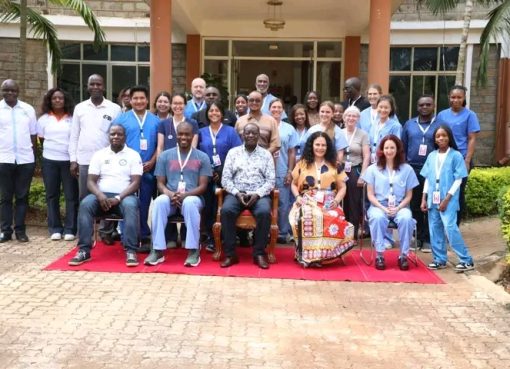
Experts have raised concerns over the excessive use of pesticides, warning that it was affecting food production, soil health and human wellbeing.
While championing for the adoption of organic farming, the specialists said prolonged use of agricultural chemicals had contributed to the degradation of some farmlands, requiring technical interventions to restore soil health and improve productivity.
Speaking during an organic seeds Expo. in Thika, Kiambu County, the experts, led by George Boro of PELUM Kenya, said increased adoption of organic seeds and reduced reliance on synthetic chemicals, could contribute to healthier diets and help tackle lifestyle diseases such as diabetes, cancer and hypertension.
Boro called for greater investment in sustainable farming practices that protect soil fertility, while enabling farmers to produce safe and nutritious food.
He said farmers need to be supported to shift from overreliance on synthetic chemicals and adopt farming methods that preserve the environment and improve the quality of food consumed by households.
“We need to rethink how we produce our food and give farmers practical alternatives that protect the soil, the environment and ultimately the health of consumers,” Boro said.
East African Legislative Assembly (EALA) MP, Maina Karobia, who attended the event, called on the government to revive agricultural extension services to help farmers improve crop production.
Karobia said the decline in extension services had left many farmers without adequate technical support on crop selection, soil fertility management and land use.
“Farmers need technical support to understand what is affecting their soils and how they can restore their fertility. We cannot expect increased productivity when our farmers lack access to agricultural extension services,” he said.
They called for stronger collaboration among farmers, agricultural experts and the government to expand organic farming and increase access to organic seeds.
They urged policymakers to prioritise sustainable agriculture and provide farmers with the knowledge, inputs and support needed to transition to safer and environmentally friendly production methods.
By Muoki Charles