Artificial intelligence (AI), changing workforce demographics, and continuous skills development are increasingly reshaping workplaces, human resource experts have said.
Speaking during the Zamara HR Summit in Diani, the experts projected that organisations can no longer rely on traditional approaches of managing employees, as technology and changing employee expectations continue to transform the world of work.
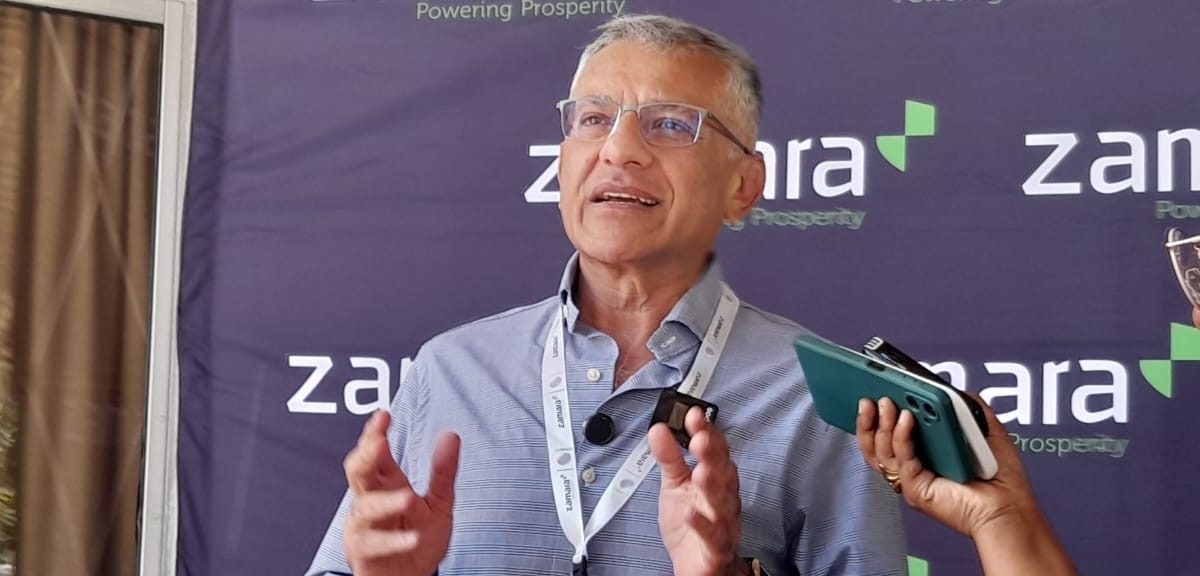
Zamara Group Chief Executive Officer Sundeep Raichura said the Summit, now in its fourth year, provides a platform for HR leaders, business executives, and policymakers to discuss emerging trends affecting workplaces.
Raichura said this year’s theme, “Talent Multiverse,” reflects the increasingly complex nature of modern workplaces, where different generations work alongside each other while demanding different forms of engagement from employers.
“The workplace is changing, and the pace of change is much, much faster than we think. Organizations must move away from traditional models and embrace more flexible approaches,” he said.
He noted that employees are increasingly looking beyond salaries when choosing workplaces, with many seeking opportunities for growth, meaningful work, flexibility, and personal security.
Raichura also urged employers and workers to embrace AI as a tool for improving productivity, rather than viewing it solely as a threat to employment.
“The fear should not be so much about what is going to happen to my job but about what skills I need to acquire so that I can continue to remain relevant in the workplace,” he said.
He called on organizations to provide employees with access to AI tools and training while encouraging them to experiment with emerging technologies to identify ways of improving efficiency.
Zamara Group Chief Officer, People and Culture, Raymond Muthama, said the future of work would be shaped by four major trends: AI and its economics, an intergenerational workforce, continuous learning, and changing geopolitics.
Muthama said careers were no longer linear, and organizations had to prepare for workplaces where generations, including Generation Z, Millennials, Generation X, and baby boomers, work together.
“We have to find a working formula with this generation,” he said, calling for mentoring and reverse mentoring to strengthen relationships among employees of different generations.
He added that continuous reskilling and lifelong learning would become essential as skills and technologies change rapidly.
“Adaptability is becoming an essential attribute to embed for most employers and employees; thus, workers need to be willing to unlearn old practices and acquire new skills,” said Muthama.
On AI, he said the technology was already affecting how work was performed, and organizations should now focus on identifying where it could be effectively deployed rather than debating its existence.
Chief People Officer at the Safaricom PLC, Nyokabi Florence, said AI is already transforming work, the worker, and the workplace.
She said automation would increasingly take over repetitive tasks, allowing employees to concentrate on strategic decision-making and other areas requiring human judgment.
Nyokabi said research indicated that while some jobs would change because of AI, new opportunities would also emerge, making continuous skills development critical.
“At Safaricom, that’s a journey we have embarked on. Our ambition is to build and strengthen AI in the nation and to do that, we start with home, becoming AI fluent as a company,” she said.
Meanwhile, Bupa Kenya Chief Executive Officer and Managing Director for Bupa Africa, Uditha Jayaratne, said organisations should not allow increased use of technology to eliminate the human element from workplaces.
He said younger, tech-savvy employees were increasingly embracing digital healthcare services, but organisations still needed to maintain human interaction for employees who may not be comfortable with technology.
“Whilst the world essentially invests disproportionately and goes into high-tech, we will remain high-touch from a consumer perspective,” he said.
Jayaratne also urged employers to view employee health as an investment rather than simply focusing on the cost of healthcare.
He said poor employee health could result in absenteeism and reduced productivity, making employee well-being an important component of organisational success.
The Summit brought together about 250 delegates to deliberate on the changing nature of work, employee expectations, technology, and strategies for preparing organisations for the future.
By Chari Suche